Facebook Marketplace is a great way to sell unwanted items. With no transaction fees like other e-commerce platforms, it’s straightforward and displays your for-sale items to thousands of users. However, Marketplace doesn’t have a built-in payment feature. It’s up to the buyer and seller to agree on an acceptable form of payment.
Naturally, sellers are wary of not getting paid. With so many online scams, they have to be careful when it comes to payment methods. In this article, we’ll discuss the best ways to get paid when a listing sells on Facebook Marketplace.
Once you’ve got a confirmed buyer, the next step is for them to pay you. This is the most important part of the transaction, so you want to ensure that you’ll get paid in the safest way possible. Never ship an item before receiving payment. Although most Marketplace buyers are honest, scammers are in the mix. To prevent any issues, here are the most reliable payment methods to use.
Facebook Marketplace is designed for local sales. The listings default is set to a 40-mile local radius. Although users can broaden the search range, its maximum search radius is 100 miles.
If you’re meeting the buyer in person, you can ask to be paid in cash. This will eliminate any type of online payment scam. You can also use your preferred person-to-person online method of payment. Apps like Venmo, PayPal, and Google Pay are popular. However, some may charge a transaction fee. Arrange for the buyer to send payment via the app, and once you receive confirmation, you can give them the item.
Always meet the buyer in a public place. A local coffee shop or retail store, places where there’ll be other people around are good choices. Some police stations allow people to meet in their parking lots to ensure everyone’s safety. If you’re feeling uncomfortable meeting a stranger, you always have the option of bringing a friend with you.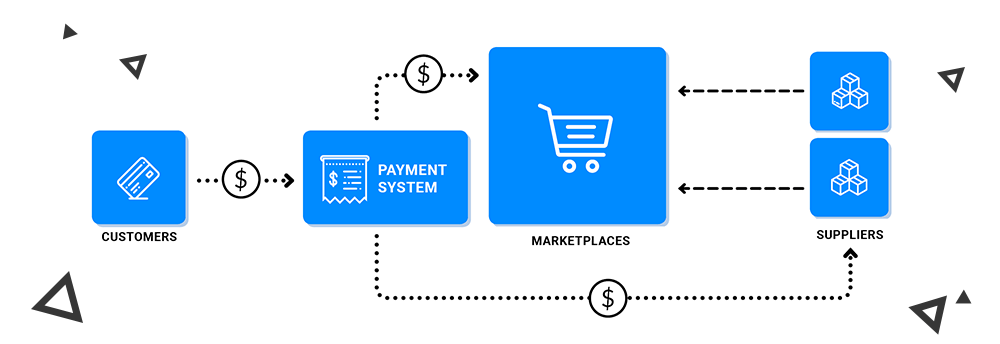
When meeting a buyer in person or for items you have to ship, an online payment app is a safe and secure way to receive payment. Google Pay, Apple Pay, Venmo, PayPal, and Zelle are all good options. They’re reliable and don’t directly reveal your banking information to the buyer.
Since the buyer will contact you via Facebook Messenger, it makes sense for them to pay you through the app. Although not directly linked to your Marketplace account, buyers can pay using this method. Messenger will allow you to send and receive money using PayPal or a Mastercard or Visa debit card.
If you don’t already have this option set up on Messenger, here’s how to do it using an Android or an iPhone:
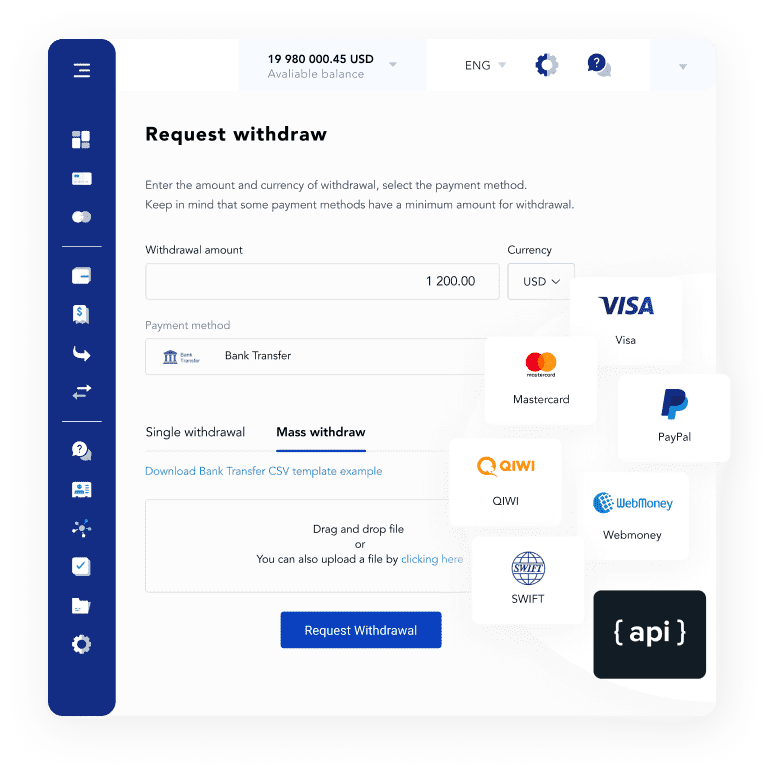 ”
”You can now accept payments directly from the Messenger app, and the funds will go directly to the account you’ve set up in Facebook Pay. Here you can request payment from the buyer. If you’re uncertain how to do this, follow these steps:
The buyer will receive a payment request and can easily pay you for the Marketplace item they want to purchase.
To ensure that you’re getting paid for a Marketplace sale safely, there are a few things that you should be aware of. As stated above, receiving payment in cash or using a person-to-person online app are the safest ways to get paid. However, some Marketplace buyers may want to pay you via other means. To safeguard your payment, here are some things to consider when accepting other methods.
Some buyers may not want to use online apps for payment and would rather send you a check. If you agree to this form of payment, don’t mail the item until after you’ve received the check and it’s been cleared by your bank. Unscrupulous buyers could cancel payment on the check before it’s cashed.
Another thing to consider when accepting payments by mail is that you’ll need to give the buyer an address to mail the payment to. This will reveal your home address, which is something you may not want to do. If you’re uncomfortable with accepting payments through the mail to your home, consider purchasing a post office box from your local post office.
If a buyer prefers to make payment with a cashiers or certified check, this could be a red flag.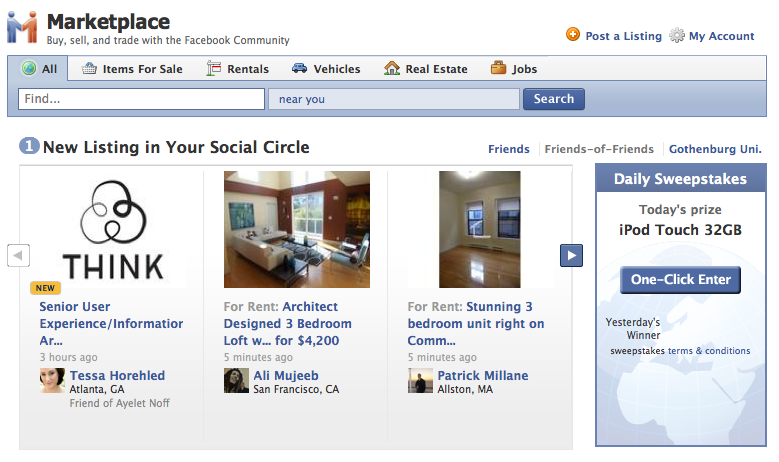 These types of payments may be counterfeit. With a variety of trusted apps and online banking services, payments by check are outdated. Be wary of a buyer wanting to pay by these means.
Don’t accept gift cards as a form of payment, as these can also be counterfeit and unusable. Gift cards are meant to be used as gifts, not as a payment form. Buyers insisting on paying with a gift card are most likely trying to scam you.
Thankfully, you have no legal contract with a prospective Marketplace buyer. If you’ve agreed to sell your listing to a buyer, under no circumstances do you have to provide the item before they’ve made payment. Buyers who harass or insist on a form of payment you’re uncomfortable with have no legal right to force you to accept their terms.
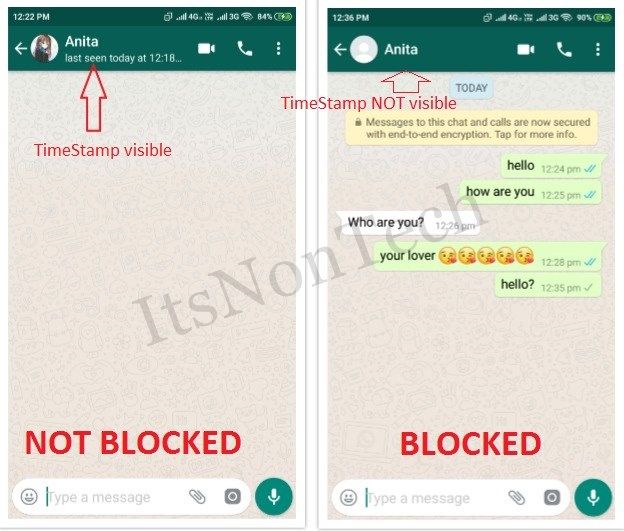
If this happens to you, end the conversation and don’t engage with them any further. If your contact with them has been on Facebook Messenger, you can block them. This will prevent them from trying to continue the conversation.
To block someone on Messenger, follow these steps:
Ensuring you get paid safely for a Marketplace listing is of utmost importance. Although most people have a good experience selling items via the platform, sellers should be aware of possible scammers. Only accept trusted online payment apps such as Google Pay or Venmo. Cash is a safe payment method if you meet the buyer in person for a local sale. However, always meet in a well-lit and busy public location.
Have you ever experienced problems selling via Facebook Marketplace? How did you resolve the issue? Let us know in the comments section below.
What’s Facebook Marketplace? It’s a public space to buy or sell nearly anything within Facebook’s e-commerce standards. The mobile-optimized marketplace showcases local goods that span dozens of categories and subcategories.
Selling on the marketplace is easy and available to casual sellers or businesses. If you want to unload some household goods or boost your e-commerce sales, the marketplace is a great spot. Learn how selling on Facebook Marketplace works and use these tips to get started.
Facebook designed the marketplace to meet demand from buyers and sellers using Facebook Groups. Anyone can post an item for sale on Facebook Marketplace by creating a listing. All product profiles are public, meaning your post is visible across Facebook channels and on search engines.
From the Facebook app or through a web browser, you click the “Marketplace” icon, which brings up a neatly organized grid of photos with a price and location below each image.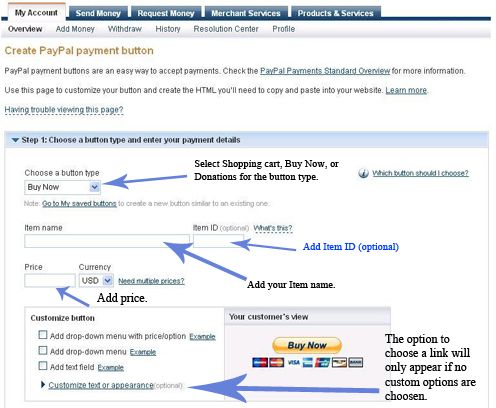 Shoppers scroll to find “Today’s Picks” or “Suggested Items.” Or they can click on “Categories” to filter items.
As a seller, the process is simple. Pull up the marketplace and tap “Sell.” From there, you can generate a new listing. Buyers communicate on the product profile by clicking “Make Offer” or “Message Seller.” As a seller, you’ll see the message under the “Selling” screen, or you can continue the conversation on the Facebook Messenger app, but it’s not required.
Facebook has a pretty extensive list of items you can’t sell. While some may seem obvious, others are less so. For example, you can’t sell that unused jug of lawn spray for bugs. Nor can you sell vitamins, supplements, or nicotine gum. Unsure if your item qualifies? Below you’ll find a list of things you can and can’t sell on Facebook Marketplace.
All sellers must comply with Facebook Community Standards, meaning you can’t voice discriminatory views in your listing or thread, position products in a sexual manner, or promote gambling. Posts that suggest violence or hate or mislead people are prohibited. Plus, Facebook doesn’t allow counterfeit items or the sale of services.
There are over a dozen categories of prohibited items that you can’t sell on Facebook Marketplace. This includes self-explanatory categories, such as:
Other categories are less clear, so if you think your item falls into one of the following groups, it’s a good idea to read the policy to see if your product is allowed. These categories include:
Fortunately, there are plenty of items you can sell on Facebook Marketplace. Each main category has subcategories so you can classify your product and make it easier for people to find. Categories include:
Facebook leaves the payment details up to you as a seller. Facebook Marketplace payment options can include any payment service you or your buyer wants, but Facebook recommends cash or payment through Facebook Messenger or PayPal.
You can also use third-party delivery options, such as DeliverEnd. A local delivery service handles the payment for you, saving you time and eliminating the need to ask for cash.
Facebook Marketplace shipping is available once you create your account for online checkout and shipping. You’ll need to add your PayPal or bank information. If you sell over $599 per year on Facebook, you’ll also have to give your social security number or employer identification number (EIN).
Once you set up your account, you can create a listing and click on the “Shipping” tab. Facebook may recommend a shipping price based on the item weight, but you add your own cost or offer free shipping.
After you sell an item, you have three business days to ship it using any carrier that provides tracking services. To get payment, you need to add the tracking information to your listing and mark it as shipped. Facebook charges a selling fee of 5% with a $0.40 minimum per order for shipped purchases.
As an alternative, you can choose a Facebook Marketplace delivery option, such as meeting your customer in person or using a delivery service.
If you use Facebook’s shipping options, the company provides purchase protection to buyers. For shipped orders, buyers can initiate a return for at least 30 days after purchasing your item.
However, peer-to-peer transactions, such as cash payments or through third-party payment processors, like PayPal, Messenger, or Venmo, aren’t covered under purchase protection. This means most sales are final. As a seller, you can create a return policy or agree to accept a return, but it won’t process through Facebook Marketplace.
According to Statista, 16% of Facebook users shop or buy things from Facebook Marketplace. And with nearly 1.85 billion daily active users as of December 2020, that’s a lot of potential shoppers for your products. If you’re considering selling on the marketplace but worry about payment security or delivery safety, consider using a service like DeliverEnd.
You will be paid 15-20 days after you mark the item as shipped and enter a tracking number, or 5 days after the item is delivered after receiving proof of delivery. Payout goes to the bank account that you specified when setting up delivery .
How does buying on the Facebook Marketplace work? To list an item for sale on the Marketplace, Take a photo of your item (or add it from your camera roll), then enter a product name, description, and price, confirm your location, and select a category. You can then post it so anyone who searches in your area can find your item and let you know if they want to buy it.
How do I accept payment via Facebook?
You can start using Facebook Pay on Facebook or Messenger with just a few taps.
Does the Facebook marketplace charge a fee? Does Facebook charge for the marketplace? No. Unlike other marketplaces, Facebook Marketplace does not charge fees for listing .
Depending on how you set up your listing, shipping will be charged. by the buyer, Facebook or by you as the seller . If you have chosen to pay for shipping, it will be deducted from the payment amount.
Use a credit card or secure payment system for all transactions. The marketplace does not have a built-in payment mechanism, so you must arrange payments directly with the other party to the transaction. nine0005
To receive money:
To send money:
How does it work?
Facebook Messenger already had a service called Payments that allowed people to send money from their bank accounts, but it didn't support major credit cards.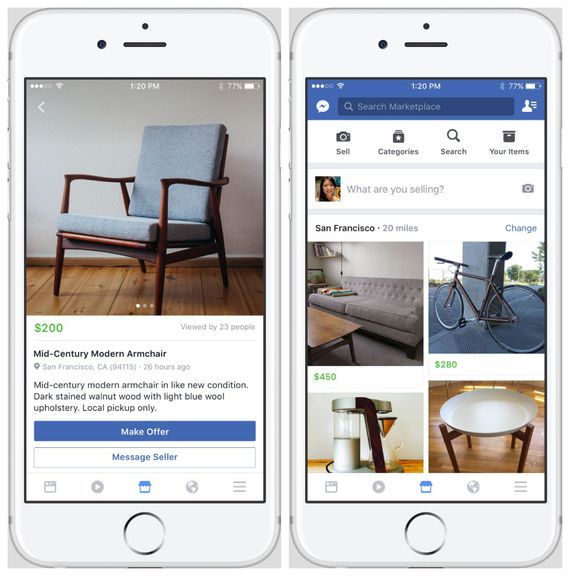 Facebook Pay accepts most major credit cards, including Visa, Mastercard , and users can also connect to a PayPal account. Facebook says PayPal, Stripe and others…
Start creating Facebook ads. When entering your account information, please make sure that the selected country and account currency match the accepted payment methods. When you confirm your purchase of an ad, you are asked to select a payment method. Select payment method manually and then click Continue.
Because we want to make the marketplace safer for everyone, the shipping label offer is only available to select sellers right now .
Merchants can now bill customers via New PayPal chat extension for Messenger . … This feature is ideal for use with Facebook's many buy and sell groups, as well as the Facebook marketplace, and is also an easy way to send PayPal invoices in general.
By accepting the price offer, you have not yet sold your item . The potential buyer simply gets the opportunity to buy at a lower price. If he doesn't do it on time, it's his loss. nine0005
Simply weigh your package and use the shipping cost calculator to find out the shipping cost. If the parcel is small but heavy, you will receive the shipping cost according to the overall volume, which may be cheaper. Remember, when calculating postage by weight, use the total weight of the package, not the weight of the product itself.
When you request an order: You will see a $1 authorization fee in your account. When seller marks an order as shipped and enters order tracking information: you will be charged the full amount of the order.
Facebook Messenger already had a service called Payments that allowed people to send money from their bank accounts, but it didn't support major credit cards. Facebook Pay accepts most major credit cards, including Visa, Mastercard , and users can also connect to a PayPal account. Facebook says PayPal, Stripe and others…
You can start using Facebook Pay on Facebook or Messenger with just a few taps.
To use the extension, merchants open the extension tray in Messenger, select PayPal, then create a simple invoice by filling in details such as title, description, price, and quantity.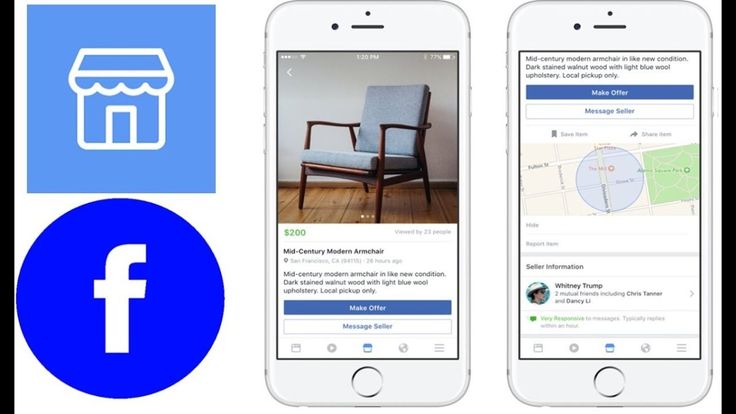 The invoice may also include a photograph. When the buyer receives an invoice, he just click "Pay with PayPal" complete the deal.
Payment applications or mobile wallet refer to payment services operating in accordance with financial regulation and executed using a mobile device. The concept of paying by cash, check, debit or credit card has become obsolete lately.
Use a credit card or secure electronic payment system for all transactions. The marketplace does not have a built-in payment mechanism, so you must arrange payments directly with the other party to the transaction.
In the section of the Android Messenger app, tap the profile icon, then scroll down and tap Payments. On the iOS app, tap Settings, then Payments. Click "Add New Debit Card" and complete the process. Click here to access the "Payments" option in Facebook Messenger. nine0005
How to add a payment method and accept payments in Facebook Business Manager
Tags: How can I pay for an item on the Facebook Marketplace? MeaningSocial MediaUrban DictionaryWiki
The Facebook Marketplace is a great way to sell unwanted items. With no transaction fees like other ecommerce platforms, it's simple and gets your products up for sale to thousands of users. However, Marketplace does not have a built-in payment feature. The buyer and seller must agree on an acceptable form of payment. nine0005
Naturally, sellers are afraid not to pay. With so many online scammers out there, they need to be careful when it comes to payment methods. In this article, we'll discuss the best ways to get paid when a listing is sold on the Facebook Marketplace.
Once you have a verified buyer, the next step is to pay. This is the most important part of the transaction, so you need to make sure you get paid in the safest possible way. Never ship an item before receiving payment. While most Marketplace buyers are honest, there are also scammers among them. To prevent any problems, here are the most reliable payment methods. nine0005
Facebook Marketplace is for local sales. By default, lists have a local radius of 40 miles. Although users can expand the search range, the maximum search radius is 100 miles.
If you are meeting with the buyer in person, you can ask for cash payment. This will eliminate any kind of online payment fraud. You can also use your preferred person-to-person online payment method. Popular apps include Venmo, PayPal, and Google Pay. However, some may charge a transaction fee. Arrange for the buyer to send the payment through the app, and once you receive confirmation, you can give him the goods. nine0005
Always meet the customer in a public place. A local coffee shop or retail store, places where other people will be, are good choices. Some police stations allow people to meet in their parking lots to ensure general safety. If you're not comfortable meeting a stranger, you always have the option of bringing a friend along.
When meeting a customer in person or for items you need to ship, the online payment app is a safe and secure way to receive payment. Google Pay, Apple Pay, Venmo, PayPal, and Zelle are good options. They are secure and do not disclose your banking information to the buyer directly. nine0005
Since the buyer will contact you via Facebook Messenger, it makes sense for them to pay you through the app. While not directly linked to your Marketplace account, buyers can pay using this method. Messenger will let you send and receive money using PayPal, a Mastercard debit card, or Visa.
If you haven't already configured this setting in Messenger, here's how to do it using Android or iPhone:
You can now accept payments directly from the Messenger app and the funds will go directly to the account you set up in Facebook Pay. Here you can request payment from the buyer. If you don't know how to do it, follow these steps:
The buyer will receive a payment request and can easily pay you for the Marketplace item they wish to purchase. nine0005
There are a few things you need to be aware of to make sure you're getting paid safely for selling on the Marketplace. As stated above, getting paid in cash or using a personal online application are the safest ways to get paid. However, some Marketplace buyers may want to pay you in other ways. To secure your payment, please note some points to consider when accepting other methods. nine0005
Some customers may not want to use online payment applications and will send you a check instead. If you agree to this form of payment, do not mail the item until you receive a check and it has been verified by your bank. Unscrupulous buyers can cancel payment on a check before it is cashed.
Another thing to consider when accepting payments by mail is that you will need to tell the buyer the address where the payment will be sent to. This will show your home address, which you may not want to do. If you are not comfortable accepting home mail payments, consider purchasing a mailbox from your local post office. nine0005
If the customer prefers to pay with a cash register or a certified check, this can be a red flag. These types of payments may be fake. Thanks to the plethora of trusted online banking apps and services, check payments have become obsolete. Be careful with a buyer who wants to pay in this way.
Do not accept gift cards as a form of payment as they may also be counterfeit and unusable. Gift cards are intended to be used as gifts and not as a form of payment. Buyers who insist on paying with a gift card are most likely trying to scam you. nine0005
Fortunately, you do not have a legal contract with a potential Marketplace buyer. If you have agreed to sell your listing to a buyer, under no circumstances are you required to provide the item before the buyer makes payment. Buyers who harass you or insist on a form of payment you don't like have no legal right to force you to accept their terms.
If this happens to you, end the conversation and do not contact them. further. If your contact with them was on Facebook Messenger, you can block them. This will prevent attempts to continue the conversation. nine0005
To block someone on Messenger, follow these steps: