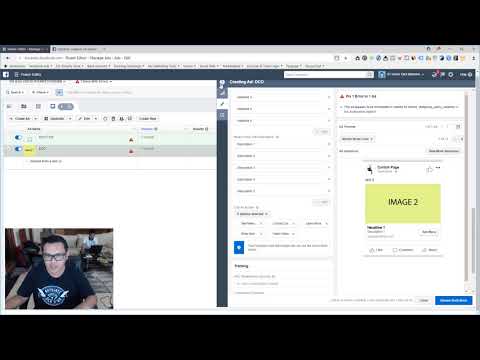
Instagram is known for its unique visual style that mixes bright and lively artsy shots with videos full of action. Advertisements through the platform also follow the natural format of user posts, which doesn’t interrupt the viewer’s session.
How do you go about trying to buy Instagram ads? We’ve developed a guide with all the steps you need to follow to create a budget for your campaign and gain a better understanding of how much your Instagram advertising will cost.
Your Instagram ads cost depends on the bidding option you choose. Facebook gives you the choices of cost per click (CPC), cost per thousand impressions (CPM), cost per action(CPA) or cost per like. You can also choose between automatic and manual bidding.
According to eMarketer, Instagram’s average CPM is between $5-$6 on the buyer side and the average CPC is calculated to fall in the range of 56 cents and 72 cents.
Let’s learn in detail how each of these factors impacts the final cost of your Instagram ads.
Related: An advertiser’s guide to Instagram.
Instagram follows the same rules as its parent company, Facebook, when calculating ad costs. There are a few variables that ultimately determine how much you will pay.
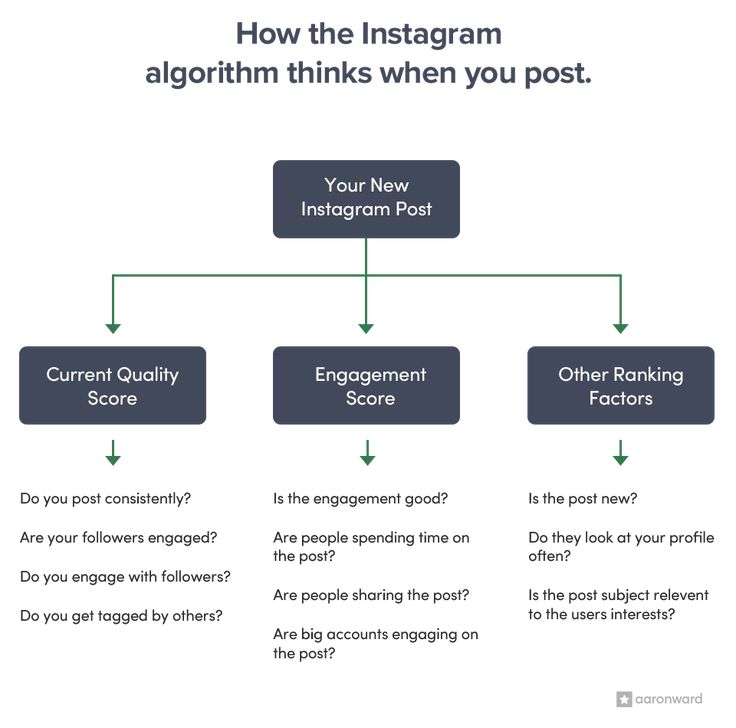 Just like in other ad platforms, be sure to optimize your ads for the results you want. Develop a targeting plan to ensure your ads end up in front of people that are valuable to you, increasing your chances of having your ad placed over a competitor and driving down your costs.
Related: The complete list of Instagram ad specs
Through Facebook, your budget is either set daily or over the lifetime of your campaign.
With daily budgeting you decide the most you want to spend a day. Once the limit has been met, Facebook won’t place any more ads for the rest of the day.
Minimum budgets for your Instagram ads are calculated as a daily amount and apply regardless of the budget option you chose.
If you’re using USD, AUD, CAD, SGD, JPY, NZD, TWD, EUR, CHF, SEK, HKD, GBP, ILS, NOK, KRW or DKK, your minimums should be as follows:
Using any other currency besides the ones just mentioned does change the amount you’re allowed to put for a minimum.
A lifetime budget has you decide how much you want to spend for the duration of the campaign and allows Facebook to average it out each day. The performance of your ad, whether it does well or poorly, will determine how frequently your ads will be placed and how much they will cost.
Now that you know the costs of buying Instagram ads are similar to Facebook’s, moving efforts to include Instagram in your advertising plans should be a pretty easy step. However, be sure to keep in mind how the style of Instagram differs from Facebook and edit your ads to follow the Instagram model.
by Taylor Schaller
Wondering how to get started with Instagram ads for beginners?
Spending money Instagram advertising can be majorly intimidating — especially with a limited budget and little experience.
But it’s so worth it! Whether you’re looking to grow your Instagram account, make sales, or drive more traffic to your website, a creative and well-targeted Instagram ad campaign can drive great results.
We sat down with Jenny McCoy, founder of Brooklyn-based social ad agency Good Help to get her 3 key tips that you can apply to your own ad strategy, no matter the size of your business or budget.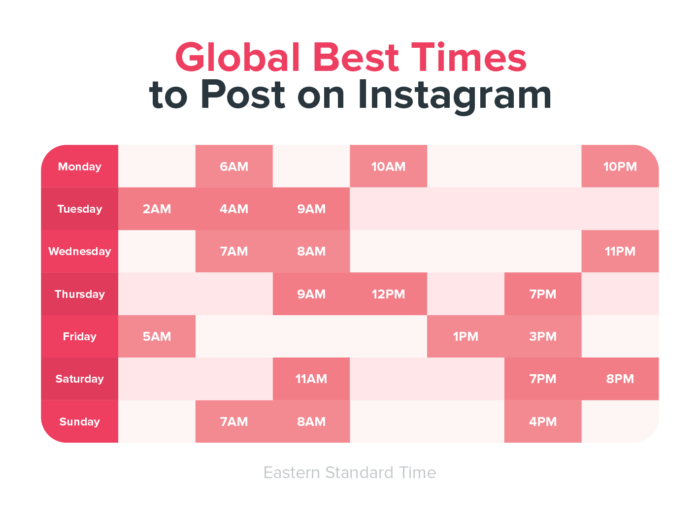
A small upfront test campaign is something that McCoy recommends to all of her clients – especially clients who are running their first social campaign.
It’s the best way to establish performance benchmarks and with less than $500 in spend, you can gain a ton of learning that will make your larger budgets work even harder for you.
It’s also a great way to get intel about creative performance, so you’ll know whether your existing assets work or if you need to invest in creating new custom assets for your spend.
Finally, if you’ve never run a social ad campaign before and you’re faced with some skepticism about whether it’s worth the investment, a small test budget is the perfect way to establish proof of concept.
Let’s take a look at a simple test and learn campaign:
First things first, you’ll need to pick a goal, like driving purchases or generating new email leads. For the purposes of a test and learn campaign, McCoy recommends only testing against one goal. She also recommends going out for the most valuable goal or the goal that will have the biggest impact on your business.
Once you have your goal set, you’ll need to figure out your budget.
For upper-to-mid funnel objectives like impressions, video views, or link clicks, McCoy recommends a minimum budget of $100 over a minimum of two to three days.
The reason is that you want to get a high enough number of goal results so that when you dive into your audience, placement, and creative performance, you have enough data to pull actionable insights.
If you’re going after a lower-funnel objective, you should give yourself more budget and more time. The reason for this is lower-funnel objectives like purchases or app downloads are more difficult to achieve — especially if this is your first social ad campaign.
For a purchase-focused campaign, McCoy recommends a budget of at least 3x the cost of the product you’re trying to sell.
To make things as simple as possible, we’re going to focus our test spend on one platform, Instagram. The added bonus of running on Instagram is that you can simultaneously run across Facebook and your spend will optimize to the platform that’s performing best automatically.
Unless you have a channel-specific goal or intel that one platform is more valuable than the other, McCoy recommends that you take advantage of this capability.
Next up are placements. So plug in your creative and see how it looks across all of the placements. Again, your spend will optimize towards what’s doing best, so feel free to test everything and see what works.
Now let’s talk audiences. This is one of the components of social ad campaigns that really sets them apart from ad campaigns on other channels.
There are three types of audiences you can test. McCoy recommends testing at least two of the three so you can get an initial understanding of how your content and your “ask” are being received.
The three types of audiences that exist in social ad campaigns are:
Custom audiences: Email list, site visitors, and people who have engaged with your account.
Lookalike audiences: People who “look” like your owned audiences. They’re built automatically using first-party data from your account.
Interest-based audiences: Created from user data and activity on the site.
So pick at least two of these core audience types and you’ll learn a whole lot!
Finally, there’s your creative.
Generally, McCoy recommends testing a minimum of two creative options. If you’re limited in your creative assets you can simply test different copy CTAs. But if possible, testing two different formats is best – like a video against a carousel post or image.
On a limited budget, it’s a good idea to limit how much creative testing you do. Otherwise, you can have such a big spread of variance that it’s tough to make sense of what did and didn’t work.
If you’re still not sure what you can gain from such a small spend, here’s an example of the learnings McCoy got from a $200 ad spend:
In this case, her goal was to increase site traffic and she had no historical benchmark data to compare to. So right away, from running the test, she was able to collect cost-per-click (CPC) and cost-per-mille (CPM) brand benchmarks that she could use to more actually plan a bigger future spend.
The test campaign ran on both Facebook and Instagram – and Instagram was the clear winner with 95% of the spend going to newsfeed placement on Instagram.
In her audience testing, McCoy didn’t have a clear winner on performance across genders but she did see the 18 to 34 age group drive the majority of goal results. And since she tested three types of audiences, she saw that custom, lookalike, and interest audiences all performed quite well.
Finally, McCoy’s creative testing showed that the carousel format performed much better than the image format, and that “Learn More” was a better CTA than “Get Offer.”
This CTA learning might also mean that the audiences weren’t quite ready to purchase as they seemed to be considering the offer versus really being ready to act on it.
Don’t forget to check out McCoy’s LaterCon video on how to build a successful Instagram advertising strategy for beginners:
Check out all our LaterCon panels and speakers by tuning into the free replay here!
Instagram Ads for Beginners #2: Simple Can Be ProfitableMcCoy’s second tip is that a simple campaign can be very profitable.
Maybe you’ve been overwhelmed by the jargon of social advertising or you’ve only seen really complicated media plans for social ad spends. Either way, it’s not always that complicated.
You can simplify things a great deal by focusing on your most valuable goal first. There are absolutely times when a more complicated media plan is necessary – but if you’re just starting out, keep it simple and focus on this one valuable goal.
Here’s a plan that McCoy has written for tons of small businesses and startups. What did they have in common? Purchase was their most valuable business goal, so that’s where she started.
After she assigned the budget for purchase, McCoy used the rest of the budget to fill their funnel. In this case, they used a 60-40 split between the two objectives. This is, of course, not a hard goal. But this ratio is a great starting point.
As you move through the plan, you’ll see that McCoy started with qualified audiences like email subscribers and site visitors in the purchase campaign.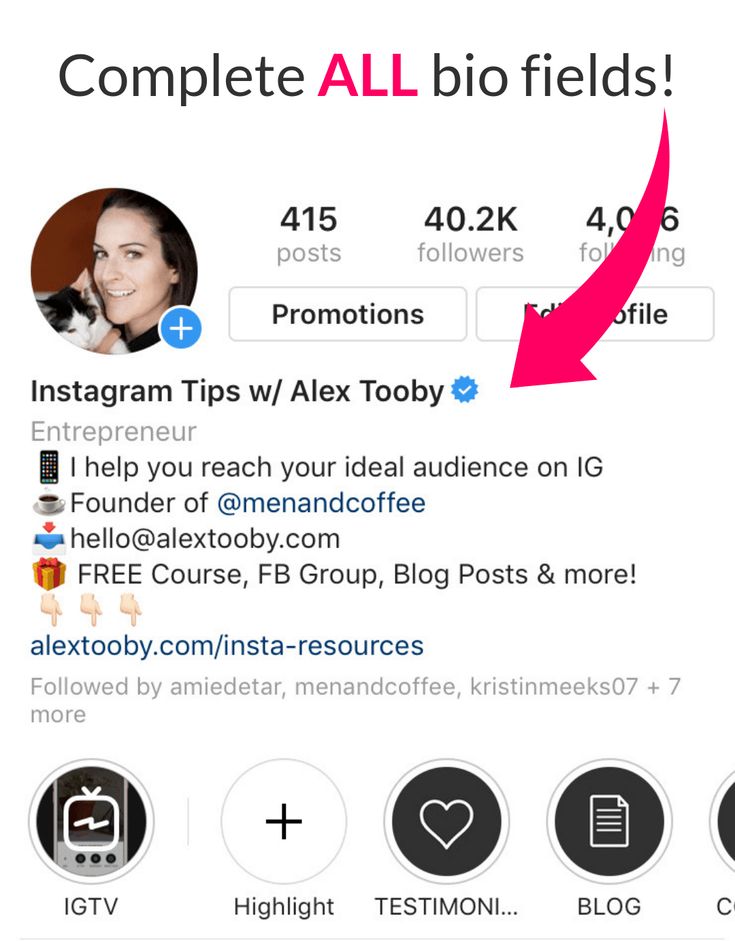 And as she tried to build the funnel with site traffic, she used lookalike audiences.
In terms of creative, McCoy tested two options:
This basic plan has been really valuable and a great starting point for clients, McCoy says.
Instagram Ads for Beginners #3: Social Ads Can Make a Full-Funnel ImpactMcCoy’s final piece of advice is that social ads can make a full-funnel impact. This lesson is important because a lot of the time, there’s pressure to make social be the hero.
It’s okay if you find through testing that social ads are just not making an impact on your sales. But McCoy still recommends finding out what other impacts they might be making that are valuable and easy to amplify through an ad spend.
Finally, look beyond social-only metrics like likes, follows, and post engagement, and dive into metrics like email leads and site visits to better learn how a social ad spend can improve your business.
And that’s it!
Armed with this information, you should have no problem getting started with Instagram ads for beginners.
So jump right in and start experimenting with different ad formats and styles to see what resonates the most with your audience!
Couldn’t make it to LaterCon this year? Don’t worry, you can still catch all of the action by tuning into our LaterCon replay!
4 tricks for setting up targeted ads for a jewelry company via Facebook
From the head of marketing at IJA
Andrey Ilkaev
Moving online is the main feature of this spring. And absolutely precisely - summer and further periods. The point is not that restrictions are being lifted gradually, but that trade will no longer be the same. This must be taken into account and accepted by the rules of the game. To win, you need to know different subtleties, tricks and tricks.
The best time to start a new ad/ad group/campaign is at midnight.
.
It is considered correct to set a daily budget for advertising. Facebook distributes it in such a way that it is completely spent by midnight. If you start the campaign, for example, at 18:00, then all funds for the day will be deducted in 6 hours. However, when launched at midnight, the algorithm will evenly schedule them throughout the day, and this will have a very positive effect on optimization and future results.
WHEN LAUNCHING AN ADVERTISING CAMPAIGN, CHOOSE THE GOAL DEPENDING ON THE OBJECTIVES.
Brand Awareness
Facebook gets a target to show ads to people who are more likely to pay attention and remember them. Suitable for promoting image publications, for example, about the collections presented in your salon..
Your advertisement will be shown to the maximum possible number of people. We use in the promotion of services: "jewelry trade-in", "gift for registration in the bonus system" and "online shopping".
SHOW ALL
Traffic
Ads will be shown to people who go to, for example, a website. Great for those who sell jewelry through the site. Great for increasing likes, shares and saves of your posts. Here, as in all advertising campaigns, you can promote existing publications of your Instagram account. I recommend promoting jewelry care tips, stories about stones, and similar useful and interesting content.
Video views
This goal can be compared to Brand Awareness. I recommend using short videos and focusing on an interesting scenario. For example, talk about the "jewelry trade-in" service or your salon in general.
Lead generation
An excellent type of goal, due to which you can collect leads without a website by creating an instant data acceptance form. Of the benefits - the ability to integrate the form with CRM-systems. We promote trade-in or gifts for email.
You can upload all the collected email addresses and phone numbers
to your Facebook advertising account and launch targeted advertising for an already warm customer base.
First you work for the base, then the base works for you.
Audiences
At the stage of selecting audiences in Facebook Ads, you can see the estimated reach. And here we can say one thing - the more the better. It is always better to tune to a wide audience, this allows you to significantly reduce the cost of advertising.
After a short period of time, Facebook's algorithms optimize the ad so that only potentially interested customers see it. Therefore, the more people you reach at the very beginning of the advertising campaign, the more the system will select potential customers for you.
Training
When can you tell if an advertisement will be effective? Day, week or month? Facebook algorithms need an advertising campaign to score 50 targeted actions - leads, site visits, clicks. This is enough for the system to understand who to show ads in the future. At this point, by analyzing the metrics (cost per click, conversions to sales), you can understand whether it is worth continuing this campaign or if it needs to be adjusted.
Start implementing everything now. After all, in a couple of weeks something new will appear, and other chips will need to be used. Being late and standing still is risky for business.
Do you want to improve your skills in targeted advertising?
Read on to learn more about why promotion is important for your business, the first steps you need to take, and some helpful tips to achieve your desired Instagram goals.
The number of active users on Instagram has already exceeded two billion people. According to statistics, 6 out of 10 Instagram users visit their account daily, 70% of people review Stories daily, 90% follow at least one business profile, and 83% use the social network to search for products and services. What does this data say in general?
Instagram, in addition to a platform for interacting with friends, has long become an excellent marketplace. This social network helps to increase the target audience, grow loyal customers, increase engagement, convert subscribers into customers, multiply sales, and strengthen brand trust. Therefore, promotion on Instagram is actively used by information businessmen, shops, travel agencies, insurance companies, lawyers, consultants, coffee houses and restaurants, bloggers, publishers, guides, freelancers, digital companies and others.
Learn more about what tools you can use on Instagram to achieve your marketing goals in the next section.
In addition to advertising, Instagram provides the opportunity to increase the reach of posts and Stories for a fee by raising your content to the TOP of the issue. We'll go into more detail on how this feature works next.
Promoting posts, like creating ads, is only available for business profiles on Instagram.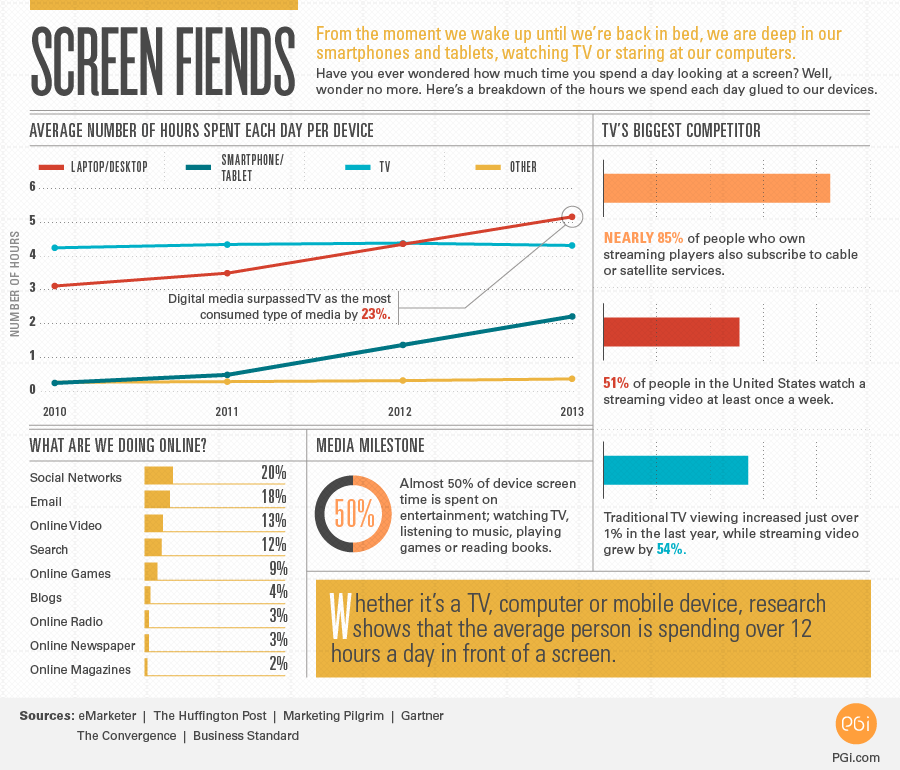 Therefore, first of all, you need to transform your personal profile into a professional one. Read more about how to do this here.
There are several ways to promote posts on Instagram. The first is to use a special button that appears right below the posts, as shown in the screenshot below. Please note that for each publication, detailed statistics will also be available to you.
After you click on the "Promote Post" button, the settings will appear in front of you. On the first page, select the goal of the promotion.
Next, configure the target audience settings. You can select it automatically or manually by specifying age, gender, region, and other characteristics.
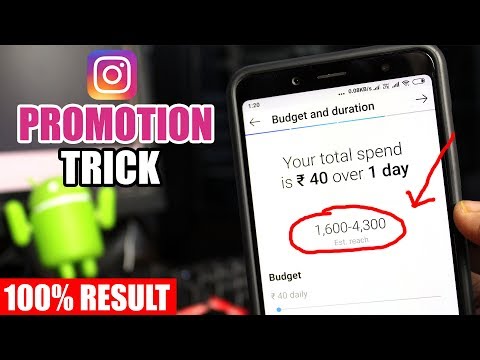
In the next step, set the promotion period and indicate the amount you are willing to invest. Please note that by moving the slider you specify the daily budget. On this page, after selecting the promotion period and budget, the approximate coverage of the publication will be displayed.
Double-check whether you have specified all the promotion parameters correctly. Also add your bank card details and click Promote Post.
Another way to promote is available directly from the page through the "Promotional tools" button.
And if you are also promoting your business on Facebook, then connect your page to a professional Instagram account and use the capabilities of the Meta Business Suite application.
With it, you can promote posts on Facebook and Instagram, reply to messages and comments on these two social networks, and track detailed statistics.
Read on to learn how to increase the reach of your Stories.
To start promoting Stories, first publish it and then click "Promote" in the menu below.
Then, just as with publications, set the promotion parameters step by step, starting with the goal.
As you can see, everything is quite simple, but before you get started, familiarize yourself with the first steps in the promotion.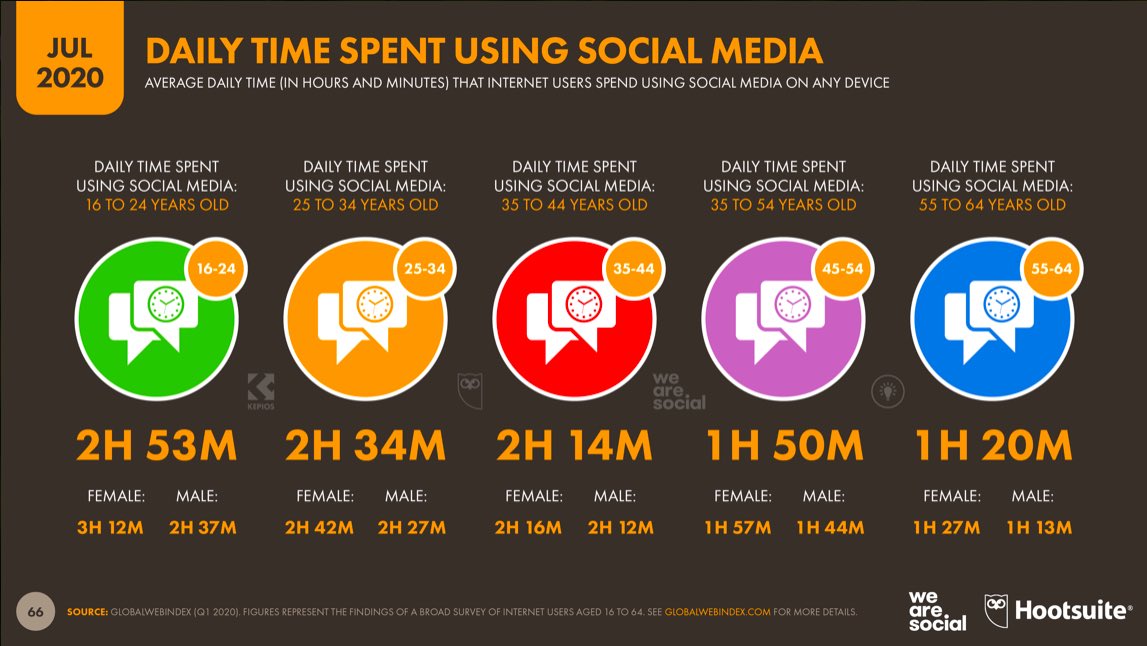
In order not to waste money and also not exceed your limit on advertising spending, you need a plan.
Find and study your competitors. See how they manage their Instagram profile, what advertising tools they use, what their audience is, analyze the level of engagement. To view competitor ads, use the Ads Library.
Here you can select the country in which you want to view competitors, platform (Facebook, Instagram, Messenger) and post status: active and inactive promoted posts, as well as ads.
Create a portrait of the target audience. Describe your potential subscribers and customers in as much detail as possible. Find out their age, gender, interests, fears, hobbies and other characteristics that you can use for more detailed targeting. To create a portrait of the target audience, use the recommendations from the blog.
Make a marketing plan. Set goals and objectives, timeframes, select methods and tools for promotion, determine the budget for promotion.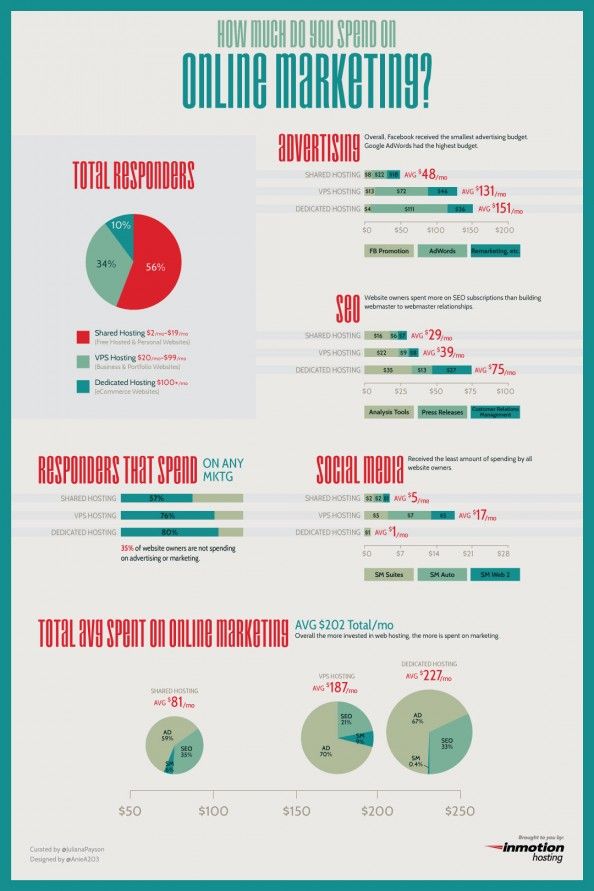 The spending limit will not allow you to spend more than the allowable amount and go into negative. Therefore, do not neglect this point.
For example, you can set a spending limit per post or Stories and calculate a monthly budget based on the number of stories. Or you can go the other way and determine first the monthly budget, and then the number of promoted content units and the spending limit for each of them. There are different approaches - choose the most suitable and effective for your business.
Create your first promotion campaign and analyze the statistics. Record your results in your plan and think about how you can improve them. The main thing is to make changes gradually in order to understand exactly what brought the result. Try to make one change at a time.
For example, change the goal of a promoted post or story, target audience parameters, daily budget, and then analyze the statistics and move on. So, step by step, improve your Instagram promotion strategy, set new goals and achieve the desired results. To ease your path in this difficult task, we have prepared some useful recommendations for you in the section below.
Check out tips to help you improve your Instagram marketing strategy, increase your followers and sales, and build loyalty.
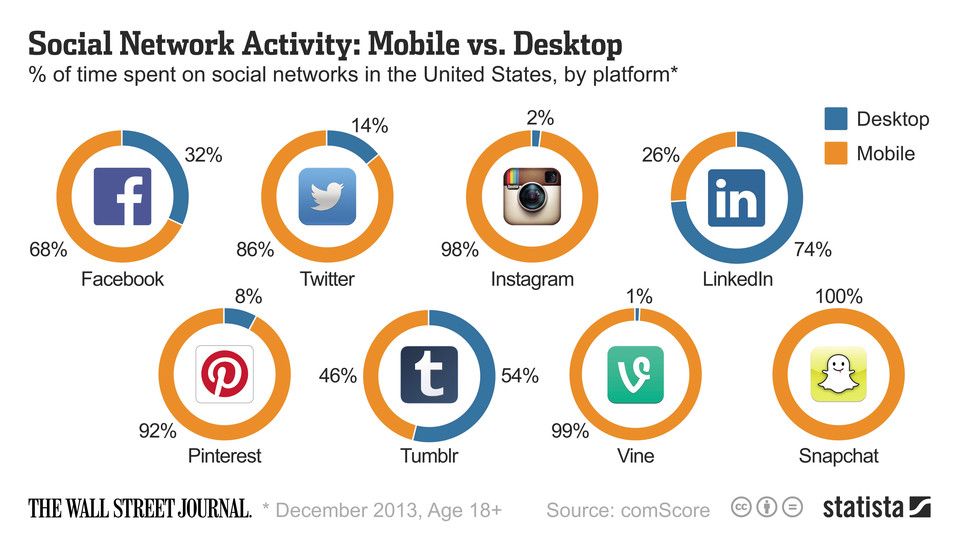 With the help of a virtual assistant, you can automate answers to frequently asked questions and offload the support desk, as well as interact with hundreds of subscribers at the same time 24/7.