“How much should I spend on Facebook ads?”
Although it’s difficult to define exactly how much any specific company should plan to spend on Facebook ads, we can offer our advice.
On this page, we’ll answer questions like:
To learn more, keep reading! Or, if you’d like to speak with someone who can help get your Facebook advertising campaign off on the right foot, give us a call at 888-601-5359!
74% of people use social media when making a purchasing decision.Make their decision easy with a stellar social media presence. See how your brand can level up by requesting a no-obligation proposal today.
One of our experts will be in touch within 24 hours!
Let’s start by answering the million-dollar question, “How much should I spend on Facebook ads?”
In short, you won’t know exactly how much your unique business will have to spend to see success with Facebook ads until you run them.
That said, we can offer a figure that provides a great place to start for any business that’s just getting started with Facebook ads. You can start with this figure, and tweak it based on the results of your test campaigns.
We suggest starting with a budget of $20 per day and running about 15 ad sets for a week. This setup means that you’ll spend around $1000 total.
It’s important to note that this $1000 is more of an investment than anything else — it’s going to give you the information you need to move forward with a successful, cost-efficient Facebook campaign.
Before we get started, though, it’s important to note that you can run ads on Facebook with virtually any budget. The question is, how much do you have to spend to be successful?
Here’s what to do:
Yes, we said audience(s). Even though you may have one, large, general audience, you can likely break that audience down into smaller groups.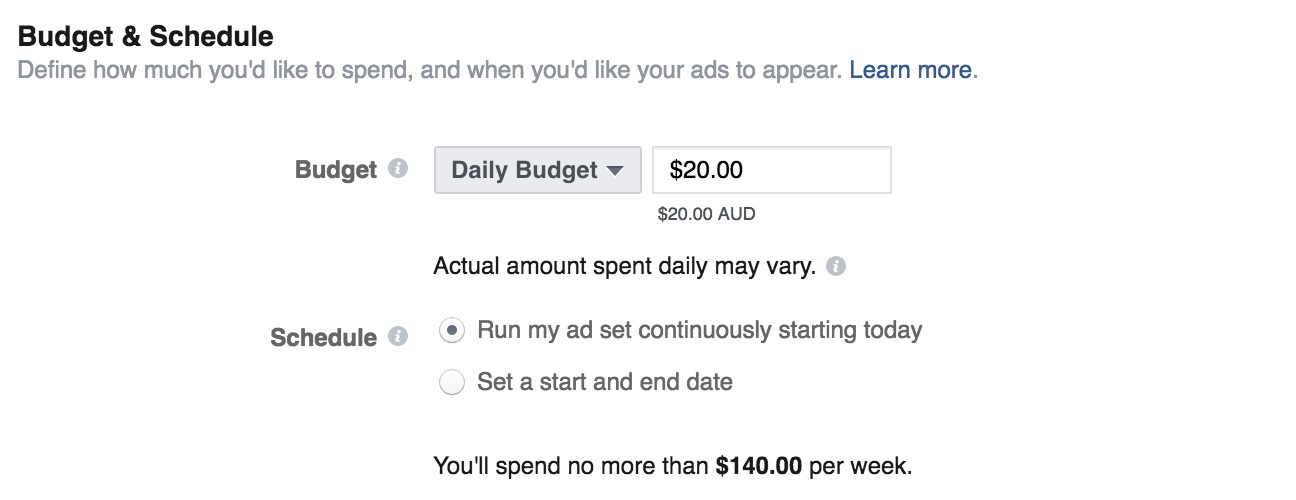
For example, if you own an outdoor store, and want to advertise your products, you could have a wide array of potential customer personas. You could have the weekend hiker, the avid fisherman, or the die-hard camper.
To advertise properly to each of these groups, you’ll have to create ad sets just for them.
That’s why you’ll want to determine a variety of target audiences right off the bat.
Next, you’ll want to create an ad set that caters to each of those audiences. You’ll want to choose graphics that appeal to their interests and calls-to-action (CTA) that entice them to act.
Not only that, but you’ll want to target keywords that each audience would search.
For example, if you’re advertising a hiking backpack for weekend hikers, you might use target keywords like:
Your keywords will likely differ widely between ad sets since you’re targeting different audiences, however, don’t be surprised if you see some overlap. For example, die-hard campers might need a small hiking backpack, too.
Keep in mind that you’ll benefit from a diverse ad set. For example, in your ad set that targets hikers, you might want to switch up graphics styles on each to gain insight into what style your audience responds to the best. You could use animation, video, or images in your ads to collect more info about what your audience loves.
Finally, launch each of your ad sets for about $20/day. Giving all your ad sets the same budget will offer a level playing field in terms of metrics and success.
When your ad budget runs out for each ad set, it’s time to see which ones drove the most clicks and interactions!
You’ll glean a lot of important, powerful information just by looking at the way your ad sets performed.
Start by looking at the ad sets that performed best. You’ll be able to tell:
Then, look at your least successful ad set. From this set, you’ll be able to get information like:
You’ve spent $1000 on Facebook ads and with that $1000, you were able to earn valuable insight into what kind of ads your audience responds to, what kind of messaging they enjoy, and what kind of keywords to target.
In addition, your top three ad sets tell you the most important piece of information when creating Facebook ads — your real target audience.
Like we talked about before, depending on your business, you could have a wide variety of audience personas. By spending $1000 on ads upfront, you’ll be able to narrow down that audience so that you know exactly who to target in the future.
The best part about it? You’ll have the most cost-effective campaign out there since you took the time and money upfront to find out exactly who’s interested in your products.
The rest is pie!
Hear from HydroWorx, who saw a 236% increase in organic sessions with WebFX services.
Watch the Video Testimonial
Now that you know your target audience, you can dig deeper into keyword selection.
Some keywords, the general ones, are more expensive to target with your Facebook ads — simply because they’re so broad. These keywords don’t always attract valuable potential customers, since people searching these keywords likely aren’t ready to buy. These are called short-tail keywords, and some examples include:
On the other hand, long-tail keywords take up a lot less of your Facebook ad budget, simply because fewer people target them. Unlike short-tail keywords, users that search using these long-tail terms are likely ready to purchase — making them a great investment. These keywords include:
Now that you know your exact audience, it’s time to decide on keywords that are most likely to attract them.
You can use keyword research tools like Ubersuggest to help you determine what keywords will bear the most fruit for your campaign.
After you decide on your keywords, you can plan your Facebook ad budget better. With a tool like Ubersuggest, you’ll see the average cost-per-click (CPC), which can help you better plan your Facebook ad budget.
Check out the difference between the CPC of a general term like “hiking backpack”:
Versus a long-term keyword like “North Face small hiking backpack”:
These estimated CPCs will give you a good idea of how much you’ll have to bid to win an ad for that keyword, and based on your overall marketing budget, you’ll decide how much you can afford.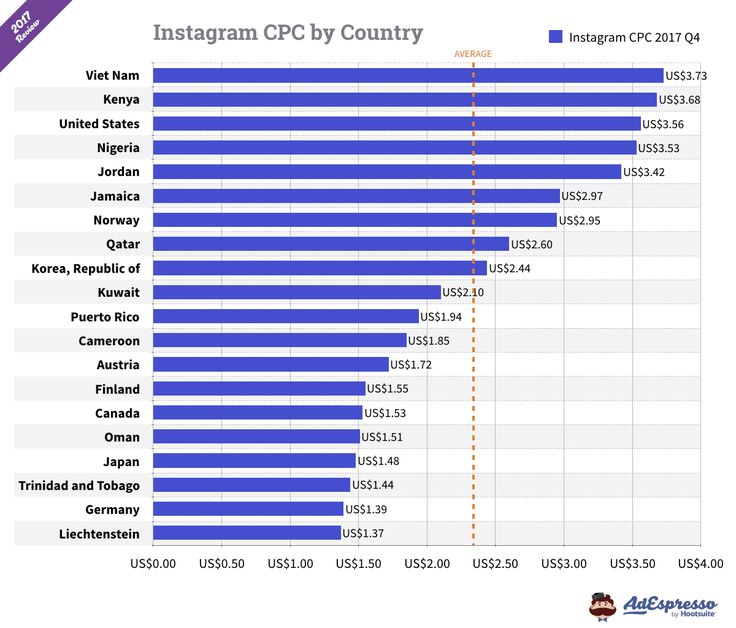
That said, it’s nearly impossible to answer the question “How much should I budget for Facebook ads?”, but when you work with a Facebook ad agency, they can help you determine the perfect Facebook ad budget as well as manage your campaign.
If you’re looking to run the most effective Facebook ad campaign, or you’re still wondering “How much should I spend on Facebook advertising?”, WebFX can help.
We’re a Facebook advertising company with an entire team of social media specialists who know exactly how to create ads that fit your budget and drive success.
We’ll get to know your company, your budget, and your goals to help you determine the best Facebook ads budget for you.
We’ll even make your ad visuals, create copy, launch your ads, and report on their success!
We also provide social media marketing services for a wide range of platforms, including:
Facebook ads are fantastic, but if you want to take your business to the next level, consider pairing your Facebook advertising efforts with ads on a second or third platform!
Your social media specialist can explain it all!
If you’re ready to get started, contact us online for a free quote or give us a call at 888-601-5359 to get started!
Home — Blog — How Much Do Facebook Ads Cost in 2022? (+9 Ways to Stretch Your Budget)
Despite challenges from Apple iOS updates over the past year, Facebook continues to be a lucrative platform for brands to reach, engage, and convert customers. Just how lucrative? Well, for starters, it’s the cheapest social media advertising channel (apart from Twitter, whose popularity pales in comparison).
But to officially answer that question, we’re going to dive into how much Facebook ads cost in 2022 based on the latest data available, as well as how to keep your costs as low as possible.
We’ll be diving into different reports to get specific answers, but here’s the overview.
Facebook ads average cost per click in 2022 is:
 43 – $2.32
Keep in mind that each of the studies above used different data sets. Costs vary by industry and campaign objective, which we’ll get to later.
Ad Espresso’s Facebook benchmarks report provides average cost per click and cost per like, broken down by month, day, and hour. According to this report, the average cost per click for Facebook ads across all industries is $0.44, slightly more expensive than last year which was $0.38.
AdEspresso’s month-by-month breakdown for Facebook ads cost per click from Q1 to Q3 of 2021 is as follows:
Facebook ads cost per click by month:
 44
44Emplifi’s State of Social Media and CX provides global Facebook ad benchmark data from Q2 2020 to Q2 2021. According to its data, the cost per click in Facebook ads for North America ranged from $0.40 to $0.65 last year. Here are the averages compared to other regions of the world, in order from highest to lowest:
Facebook ads cost per click by region
 05 – $.10
Clearly, competition is strongest in North America and Western Europe as Facebook ad costs are highest in these regions. But we can also see an overall trend here from January 2021.
Revealbot provides real-time benchmark costs. According to its data, the average cost per click across all campaigns over the past year is $1.01, a slight increase from last year at $0.97.
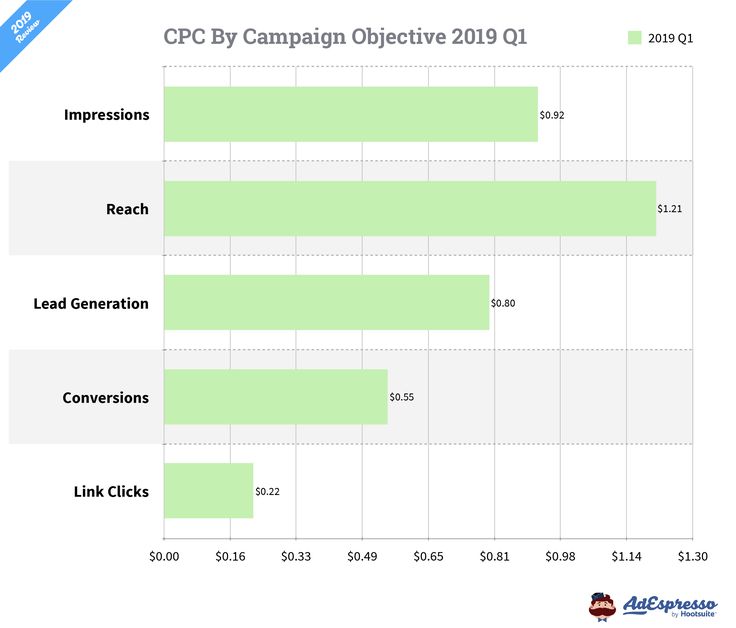
We can also see average cost per click in Facebook by campaign objective:
The latest industry benchmarks we could find on Facebook ad costs were our own, collected in 2019.
Our data showed an average cost per click (CPC) on Facebook Ads of $1. 68 across all industries, with food and drink the cheapest at $0.42 and finance the most expensive at $3.89.
| Industry | Average CPC |
| Beauty & Fitness | $1.85 |
| Business & Industrial | $2.48 |
| Finance | $3.89 |
| Food & Drink | $0.42 |
| Hobbies & Leisure | $0.68 |
| Home & Garden | $2.78 |
| Internet & Telecom | $3.07 |
| Jobs & Education | $2.11 |
| News | $1.11 |
| People & Society | $2.01 |
| Pets & Animals | $0.61 |
| Real Estate | $1.81 |
| Science | $1.33 |
According to our benchmark data, the average cost per lead in Facebook ads across all industries is $19. 68, ranging from $12.91 for food and drink to $56.89 for news.
| Industry | Average CPA |
| Beauty & Fitness | $38.33 |
| Business & Industrial | $23.80 |
| Finance | $41.28 |
| Food & Drink | $12.91 |
| Hobbies & Leisure | $21.99 |
| Home & Garden | $44.23 |
| Internet & Telecom | $29.95 |
| Jobs & Education | $18.36 |
| News | $56.89 |
| People & Society | $33.21 |
| Pets & Animals | $15.29 |
| Real Estate | $16.52 |
| Science | $12.67 |
When you break the averages out by campaign, you see CPMs ranging from $2.28 (brand awareness campaigns in February) all the way up to $30.97 (lead generation campaigns in June).
If your CPMs are high, check out our post on how to lower your Facebook ads CPM.
Also according to Revealbot, the average Facebook cost per engagement in 2022 is $0.12, one cent higher than last year.
When average cost per engagement is broken out by campaign objective, we see CPEs ranging from practically a penny to $0.58.
Just like Instagram ads costs, Facebook ad costs are influenced by a number of variables.
Facebook campaign objectives are a prominent factor in pricing since they relate to the value of the desired goal and where in the funnel your users are.
For example, Brand awareness or Engagement campaigns will cost less than lower-funnel campaigns like Conversions that drive purchases. It’s easier to get someone to engage with an ad than it is to entice them to click through, open up their wallet, and complete a purchase.
Facebook ads targeting larger and broader audiences will generally cost less than for smaller audiences.
You will typically see lower costs in prospecting, upper-funnel, cold-audience campaigns compared to retargeting, lower-funnel, warmer-audience campaigns, because the audiences of the latter tend to be more specific, smaller in size, therefore more competitive.
If your daily budget is on the lower end, it may take longer for Facebook’s algorithm to exit the Learning Phase. For this reason, costs for new ad sets are often higher upfront while the system understands how your audience behaves with your ads and how to optimize them for the highest engagement. If your ads are well engaged with, Facebook and Instagram will reward you with lower costs over time.
Similarly, the way you instruct Facebook to spend your ad budget affects how much your ads cost.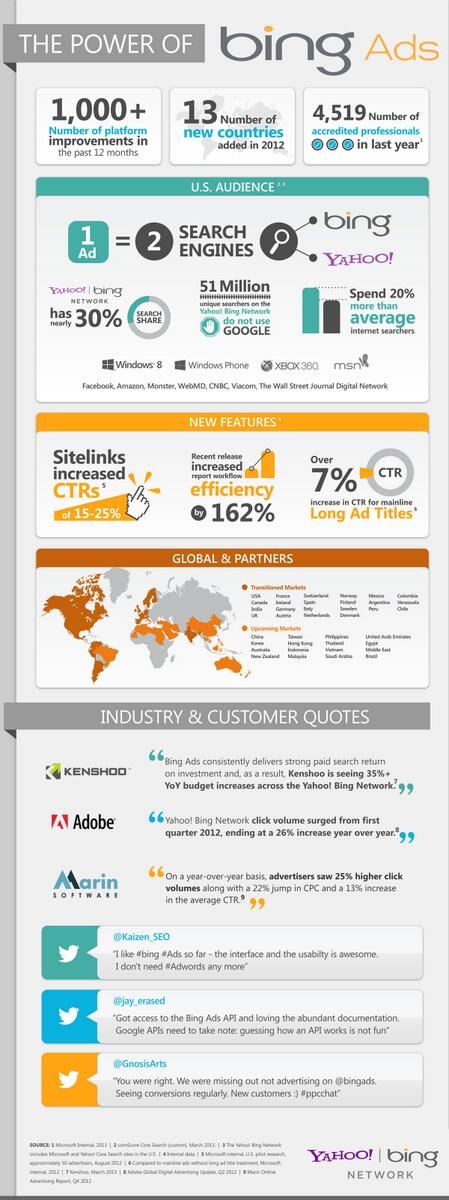 Facebook bidding strategies include:
Click-thru rate (CTR) can also play a role in you Facebook ad costs. If CTR is low, especially in a website traffic campaign, you may then see higher costs as Facebook understands that there may be some disconnect between your target audience and the messaging in your ads.
A healthy Facebook CTR is about 2%. More often than not, the higher your CTR climbs, the lower your CPCs will be.
As you saw in our benchmarks above, Facebook costs vary by industry, which also includes varying click-through rates.
It’s also important to look at the ROI by industry. For example, the average CPA for restaurants is $12.91. But if your customer spends $50 and keeps coming back for years to come, you’re essentially making money off of that ad.
Historically speaking, in the latter part of Q3 and Q4, costs tend to temporarily increase as the advertising landscape changes for the holiday ecommerce season. Competition ramps up as brands increase their budgets and gain more impression share, thus, increasing costs for all advertising brands.
In AdEspresso’s chart (also shown above), we can see the increase in costs from Q1 to Q4.
Keep that in mind as you budget for the year and if you aren’t in ecommerce or running promotions during the end of the year, you may want to strategize on whether to keep a presence or to scale back.
There are a number of ways to lower your Facebook ad costs, but here are some of our favorite strategies.
To use your budget wisely and set yourself up to scale your Facebook ads, choose funnel-appropriate campaign objectives. In general, Awareness and Consideration campaigns are suited for the top of the funnel; Consideration and Conversion campaigns align with the middle of the funnel, and Conversion campaigns are best for bottom-funnel conversions.
In short, begin with upper-funnel campaigns to reach more people in your target audience at a lower cost, and then move your way toward conversion campaigns that optimize for your purchase-driving conversion events.
Learn how to create a full-funnel Facebook advertising strategy here.
Note that some brands can certainly run a Conversion campaign targeting upper-funnel audiences with lower priced products or something that may make for a good impulse buy.
People can and do make purchases upon first interaction with a brand on Facebook, however, most will need more touch points from a brand so you can gain their trust, showcase your benefits, and entice them to convert.
While it can be tempting to pick and choose where you want your ads to appear within the Facebook network, the best way to save money is to start with the default Automatic Placements setting. In fact, not doing so is on our list of 7 Budget-Wasting Facebook Ads Mistakes.
By appearing on all placements, Facebook can get a better idea on where to best serve your ads, thus lowering your costs. You’ll also get out of the learning period faster so that you can apply data-informed money-saving optimizations as soon as possible.
Your targeting conditions will remain the same regardless of placement, which means Facebook can then serve ads to user in a lower volume, but lower cost placement that can help drive incremental revenue for you.
Ad mentioned above, audience size impacts how much Facebook ads cost. So while you want to keep your targeting narrow, you should strive to make those targeted audiences as large as possible. This has become trickier as a result of privacy measures, but we’ve got some recommended Facebook ad strategies to help you out with that.
Facebook’s audience overlap tool can be instrumental in saving money. Let’s say you have one ad targeting an audience of people interested in startups and another ad for people interested in entrepreneurship. You have different Facebook ad copy and creative to appeal to these different audiences. However, the overlap tool shows you that half of the startup audience overlaps with the entrepreneurship audience. Knowing this, you can use exclusions so those ads don’t overlap. Otherwise, you’d lose money bidding against yourself.
This is the manual bidding strategy in Facebook ads, where you can set a maximum bid instead of allowing Facebook to dynamically bid based on your goals. But this should be used with caution. It’s for advertisers who have a solid understanding of the conversion rate and profit margin, and requires regular maintenance. If you set your bid cap too low, Facebook might have a hard time spending all of your budget.
The goal of both of these pieces of technology is for you to track your ad performance. With visibility into what’s working and what’s not, you can allocate budget accordingly. You can also gain insights about the people viewing your ads, which you can use to further optimize your campaigns and maximize your budget.
The Facebook Pixel is still a thing, but it is losing its power since it’s cookie-based and cookies are crumbling.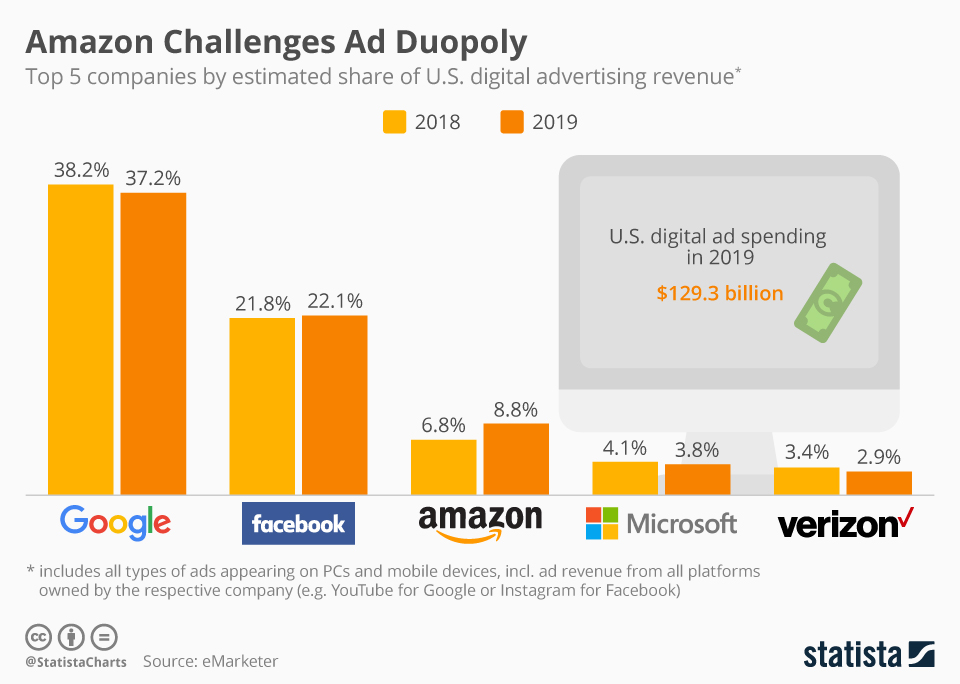 The Facebook Conversions API does not rely on cookies, but it doesn’t pick up the same exact information as the pixel. So, using the two together will ensure you capture the most accurate data. You can learn how to use the Facebook Conversions API here.
You can also help lower your costs at the ad level by A/B testing variables in your ads—one at a time—to better understand what is and is not working well. Test out the text, headline, images and/or videos, landing pages, and more.
Facebook is not the set-it-and-forget type of platform, so it is best to continuously test and aim for better results. Running tests at the ad level can help improve your engagement rates and CTR and stretch your budget further. Check out our Facebook ad examples to get ideas and inspiration.
These are going to be your highest converting audiences, so by separating them out, you can allocate more budget to the campaigns that will yield the highest ROI. Plus, retargeting page visitors is one of the lesser-used Facebook ad strategies becoming more popular as a result of privacy changes.
Advertising on social media in general has its benefits, but let’s finish off with some of the money-saving advantages Facebook has over other platforms like Pinterest, LinkedIn, and Instagram.
With 2.8 billion users worldwide, Facebook currently ranks as the largest and most popular social media platform in the world. This is compared to YouTube (2.3 billion), Instagram (1.3 billion), and TikTok (7.3 million).
Facebook has the most even distribution of users compared to other popular social media platforms like Instagram and Linkedin—which means you can target a larger range of age groups with your ads.
Precise targeting means reduced Facebook ad costs. If you want to target someone in a 15-mile radius of a particular address or zip code, you can do that. If you want to reach parents with children 3-5 years old who love ice cream, you can do that too. And we haven’t even touched lookalike and custom audiences.
Image source
Though we have faced some targeting limitations as a result of Apple iOS updates, Facebook still remains one of the best PPC channels for targeted advertising. This does require changes, however, so be sure to visit our guide >> Facebook Ad Targeting in 2022.
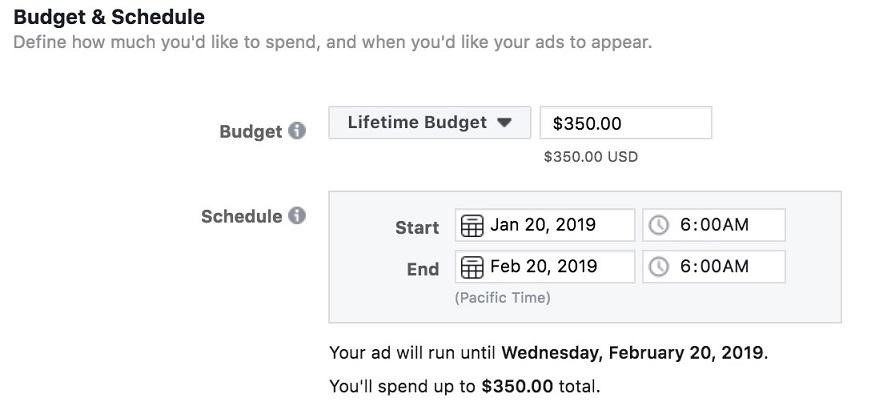
Facebook offers two types of budgeting to accommodate different advertising strategies. Lifetime budgets, which are good if you run ads on a schedule and/or a fixed budget and end date; and daily budgets, which are good for maximizing ongoing campaigns and pacing and planning around a fluctuating budget.
Facebook ads are among the most cost-effective ad types for any business, whether it spends $10 a day or thousands. With testing, remarketing, and reporting capabilities, you have the tools to make the most of every dollar you spend.
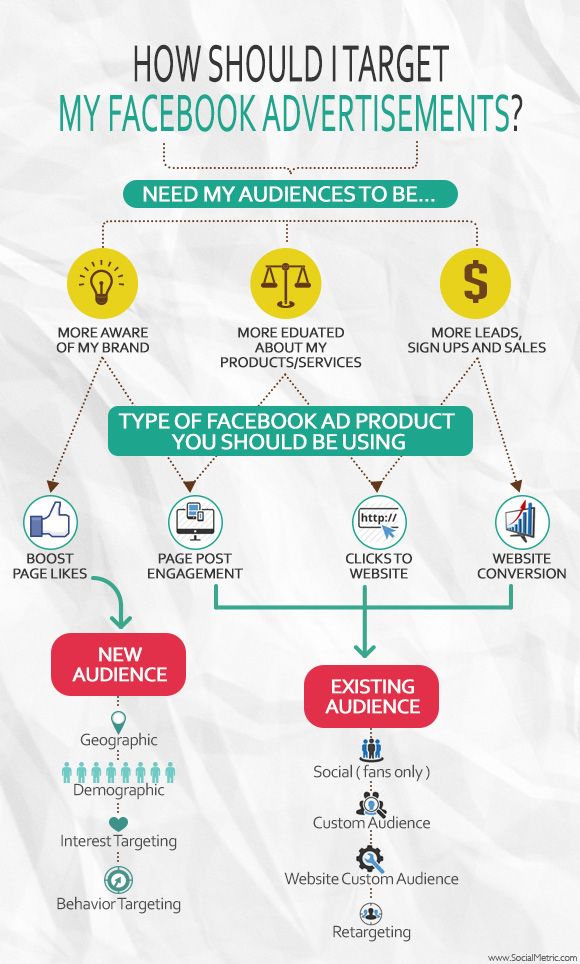
For context, here are is average cost per click for each of the four major social media advertising platforms:
Data source
Ready to start or improve your Facebook advertising? We’ve got some resources for you!
Facebook advertising is a way to promote a brand, goods and services through a multi-million dollar social network using advanced technology.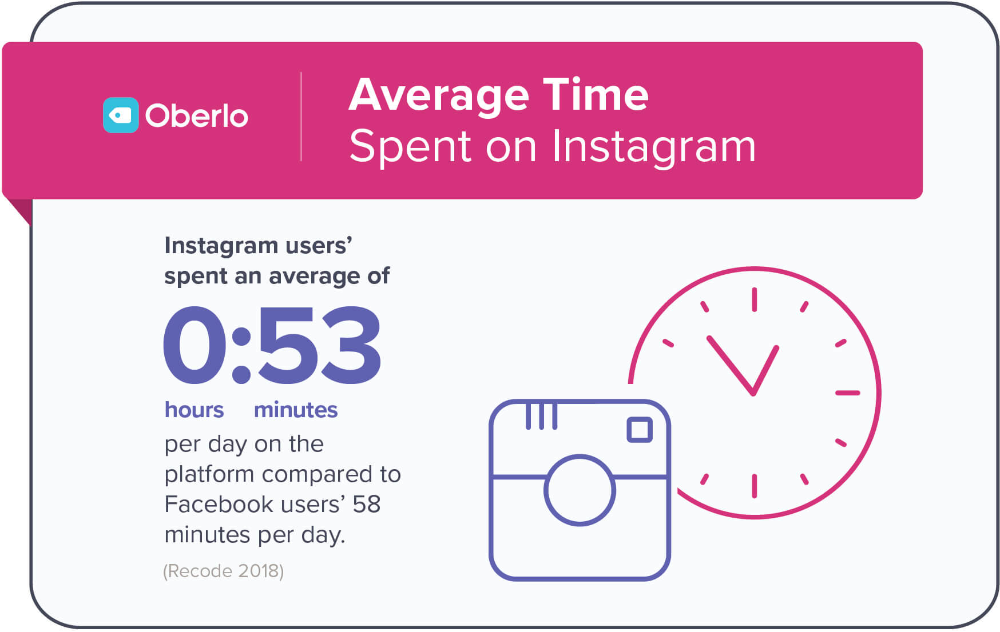 Facebook allows you to create catchy and effective ads that you can target your target audience for little money.
According to Statista, eight million companies were actively advertising on Facebook in the first quarter of 2020. Last year, advertising brought the social network 69billion dollars, while all other activities brought in less than $2 billion.
The Facebook team regularly improves its marketing tools to improve the quality of advertising and make it as useful as possible for both the audience and entrepreneurs. Let's find out why Facebook advertising is an effective assistant in attracting new customers and promoting your business.
There are a number of factors that make Facebook an ever-growing advertising platform. The following five are beneficial for both small companies and large businesses:
 The number of active Facebook users in 2020 was 2.6 billion people. This is more than a third of the total population of the planet and their number continues to grow. That's why on Facebook you can easily find your audience and tailor your ads to them. nine0012
  Facebook tools help you grow hot leads and convert them into customers.
 Below, we'll look at two key metrics - CTR and conversion rate - to analyze the performance of Facebook ads.
The average click-through rate for Facebook ads is 0.9%. The lowest CTR for vocational training companies is 0.47%, while the highest for the legal industry and retail is 1.6%. Here is the average CTR by industry from the WordStream report. nine0003
The fitness industry has the highest conversion rate at 14.30%, while technology and hospitality companies have the lowest at less than 3%. Compare the conversion rate between other industries in the report below.
Even though the CTR of a Facebook ad doesn't look impressive, it still delivers the desired conversions and money thanks to precise targeting parameters and a large audience.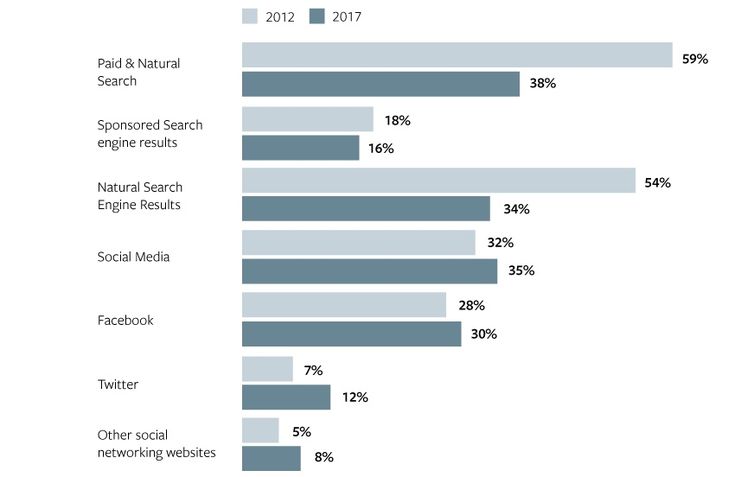 nine0003
There are two ways to create advertisements:
Facebook Ads Manager is a professional tool that allows you to efficiently target, create audiences, select ad objectives, create ads and ad groups, track performance, and generate reports. nine0003
Below you can see what the campaign creation page looks like in Facebook Ads Manager. A navigation bar is displayed on the left, and settings for each element are made on the work field. So step by step you create your advertisement.
Please note that Ads Manager has a number of useful features for professional ad customization and effective budget management. These features include:
Possibility to set the ad display schedule. nine0025 If your target audience is more active in the morning and evening hours, then you can stop showing your ad, for example, from 12 to 16. 00. This approach saves money.
Create different audience groups. You can create a Custom Audience in Ads Manager if your ad belongs to a custom ad category, Lookalike or Custom.
Suppose you posted a video about a new product on your page, now you can create different audience groups based on the duration of views and then create a relevant ad for each of them. Check out the screenshot below. nine0003
A/V testing. With it, you can determine which advertising will be most effective. You can test ad creative, audience, placement. A/B testing on Facebook allows you to measure the results of changes in advertising or quickly compare two strategies to achieve your goals.
And that's not all the benefits of setting up ads through Facebook Ads Manager. It takes time and practice to understand all the subtleties. However, it is not as difficult as it might seem at first. In this case, the main thing is desire, patience and attentiveness. nine0003
And if you want to try running ads today and are not ready to spend time studying your ad account right now, use the Ad Center right on your Facebook page.
You can read more about the differences between the two tools in the Help Center. However, in a nutshell, the Advertising Center is an easier way to promote your company, products, and services. With it, you can promote posts or the page itself, drive people to your site, and create other types of ads. nine0003
Now, let's see how to create advertisements directly from your Facebook page. Follow the step by step guide below to set up your first campaign. nine0003
Open your Facebook page and in the menu on the left click on the "Ad Center" tab, then on the right click on the blue "Create Ad" button. After that, a page with goals will appear in front of you.
Another way to open the goals page is on your main page in the menu on the left, just click on the blue “Promote” button.
Campaign goal determines which types of Facebook ads you can create. They may differ for different pages. For example, for our Big Box page, only 5 goals are available so far:
For clarity, let's choose the goal "Promote Page".
After selecting a goal, you will be taken to the Ad Creatives setup page. Write the text of the ad or leave the one that will be specified by default. In our example, this is "Contact the Big Box Page". nine0003
Then select the appropriate ad format. There are 4 of them in total:

Available ad formats depend on the target selected in the previous step. We chose "Promote Your Page", so the carousel format is not available to us. In order for ads to be the most effective for each type of ad, Facebook offers specific creative formats. In this case, you can upload an image or video. To do this, click on the download button as shown below. nine0003
Facebook provides the most accurate targeting options. First, you can target based on location by country, city, or mileage to reach local users. Secondly, you can choose gender, language, interests, behavior and more. More precise targeting options, such as excluding certain user groups, are available in Ads Manager. nine0003
To create an audience for an advertising campaign from your page, you need to scroll down a little and click on the "New" button in the "Audience" section. After that, you should give the audience a name, then choose the gender, age, location, interests and behavior of potential customers. We narrowed down our audience to women in their 20s and 30s from Kyiv who are interested in fitness and a healthy lifestyle. As you can see, our potential audience was 370 thousand people. nine0003
You can also select "People Near You". This will allow you to attract an audience within a radius of one or more kilometers from a certain point. An interactive map will help you determine the specific location of your target audience.
To expand your audience, you can use Lookalike Audience. To do this, you need to configure the Facebook pixel. Then, based on your existing audience, the social network will select similar users, which will help increase the number of leads. nine0003
Once you've specified your target audience, set the number of days to show ads and the amount you're willing to spend. You can select "Show this ad continuously" or "Choose an end date".
When defining the budget, note that you are setting a daily spending limit.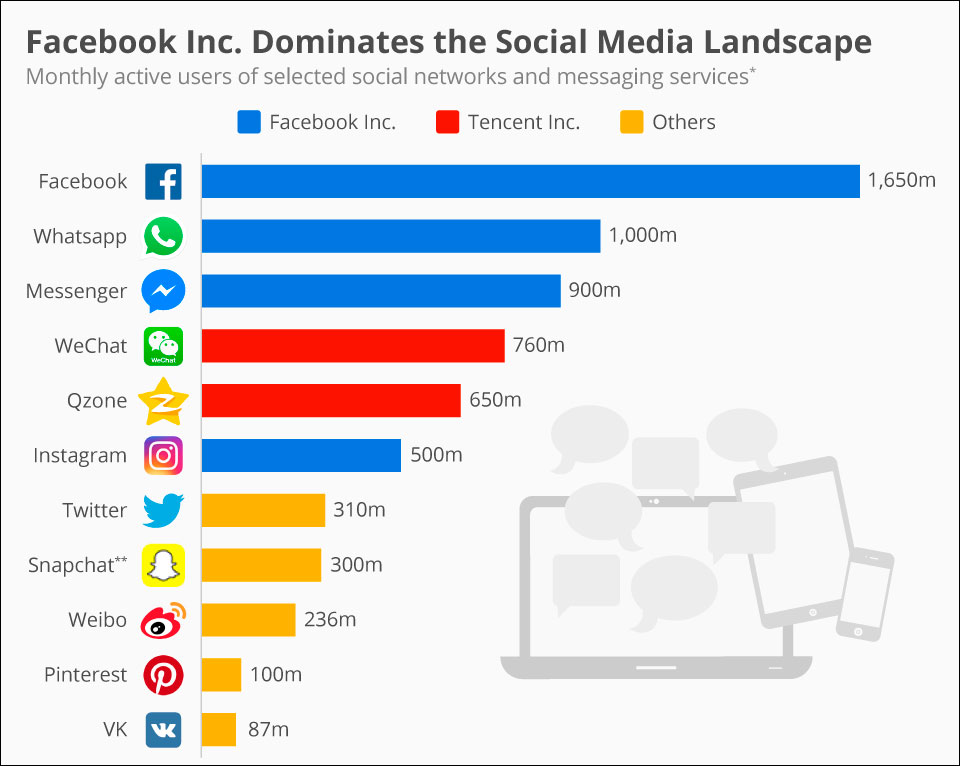 That is, if you run an ad for four days and specify the amount of $3, then the cost of the advertising campaign will be $12. nine0003
Facebook allows you to pay for services via PayPal or a bank card. If the social network previously provided you with an advertising coupon, you can mark it and then enter the coupon code.
To verify a bank card, Facebook will ask you to deduct up to one dollar from it. After linking the card, the money will go back to your account.
The following shows how to select a payment country and currency, and add a payment method. nine0003
Now that the ad is set up and the payment method is selected, check all the details and click the "Promote" button.
To see the performance of an ad, go to your Ad Center page and click View Results next to the ad you want to see. Next, you'll see reach, engagement, and reactions.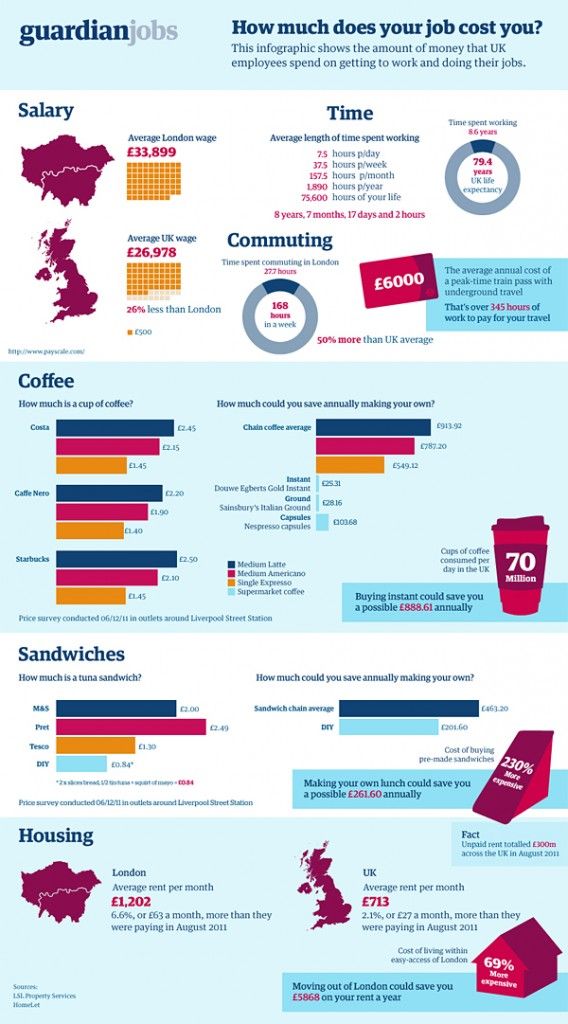
You can also see the breakdown of the audience by age and analyze the effectiveness of advertising depending on the placement. nine0003
To track campaign performance in more detail, use Facebook Ads Manager. It allows you to use filters to narrow down the amount of data in your reports and more effectively target and define target audiences.
Detailed reports help analyze the effectiveness of advertising campaigns and see if advertising costs for interaction with a particular category of users pay off. Tracking results is important to narrow your audience and exclude “non-target” customers to cut costs. Or vice versa, to identify users and ad placements that need to spend more money to get the desired profit. nine0003
The price depends on several factors:
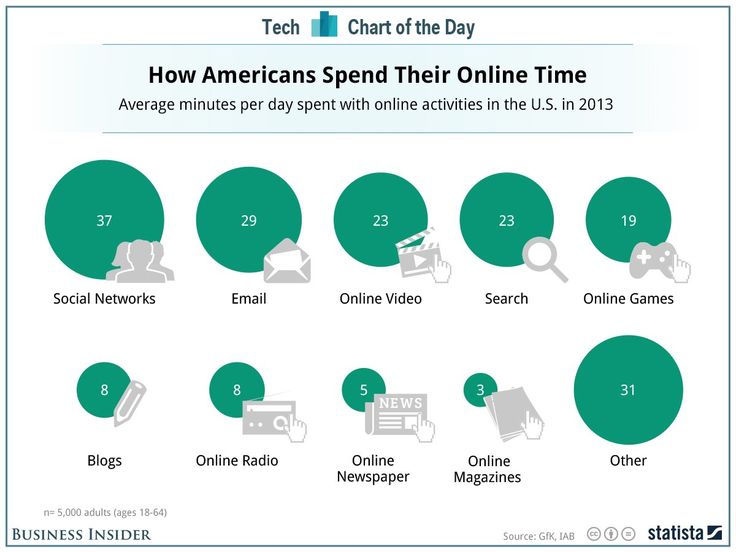
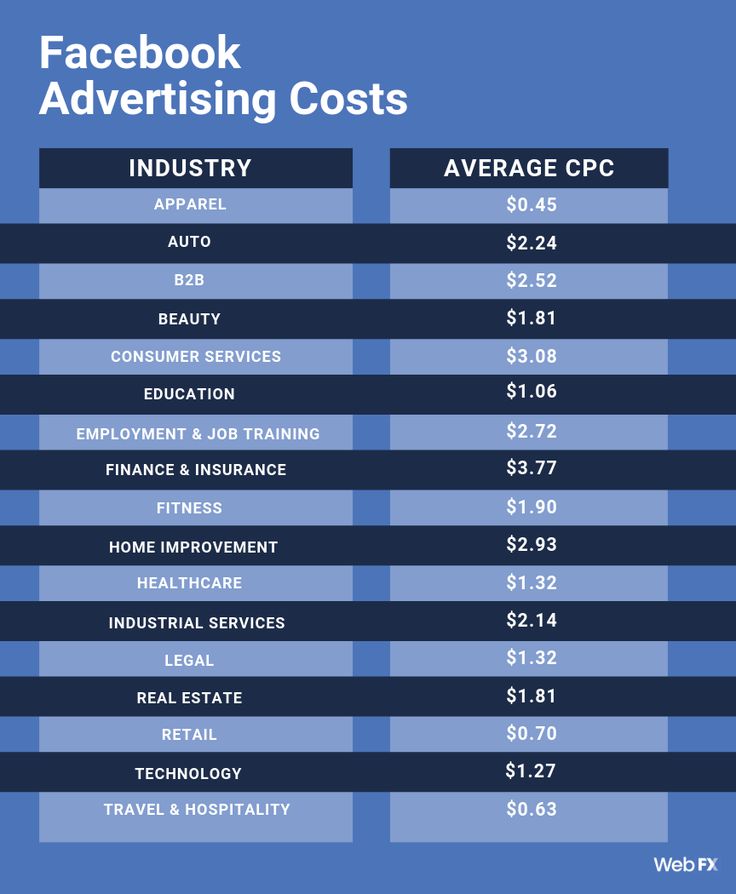
Let's look at another WordStream report to see the average CPC for different industries. It states that the highest CPC for an ad is $3.77 for the finance and insurance industries, while the lowest CPC for the apparel and fitness industries is $0.45 and $0.70, respectively. You can compare CPC across industries in the report below. nine0003
Look at AdEspresso's detailed report to get an idea of Facebook ad pricing.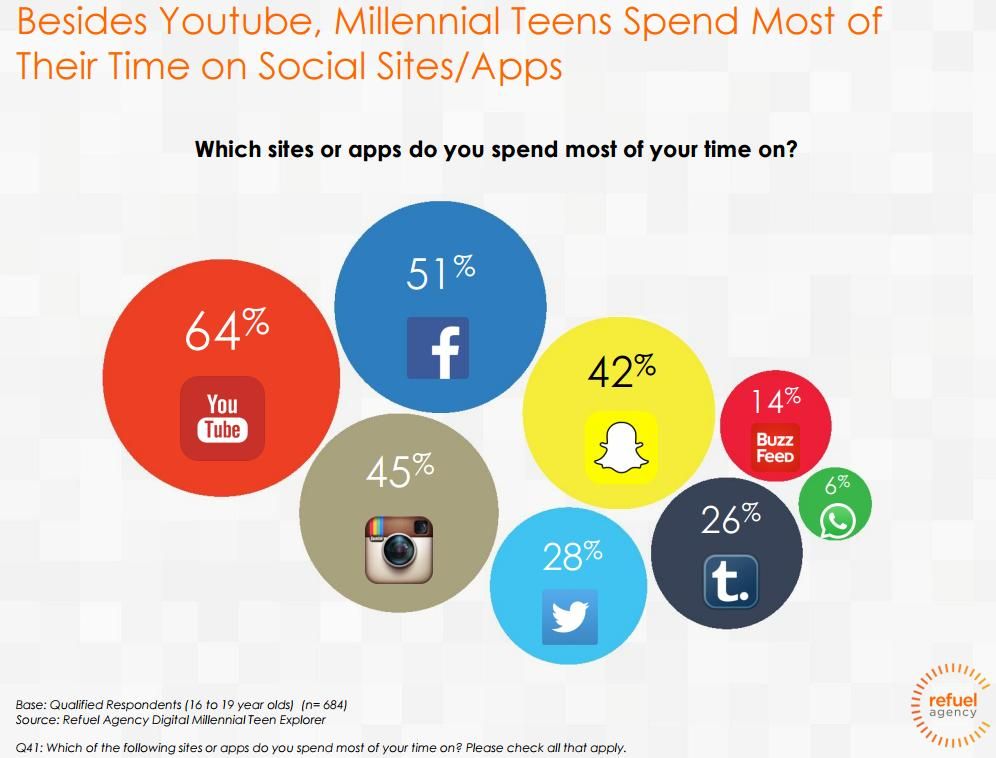
To increase the effectiveness of Facebook advertising campaigns, you can use them to attract users to Facebook Messenger. And in the messenger, using a chatbot, answer frequently asked questions, talk about products or services, and move leads down the sales funnel.
A chatbot is a technology that works according to a pre-planned scenario and helps to unload the support service, segment leads, take orders, sell and perform other assigned tasks. nine0003
SendPulse allows you to create up to three chatbots for free. Add a virtual assistant to your online marketing strategy and see how effective it is.
Now, let's compare two tech giants who are making the most of online advertising.
The two companies are often seen as rivals. Yes, they both dominate the online advertising industry, but offer advertisers different opportunities. nine0003
Google primarily focuses on search engine advertising, which is extremely effective due to the nature of today's shopping. At any stage of the sales funnel, people use search engines to find solutions, products, services, compare different stores, prices, and more. In addition, Google AdSense links advertisers to relevant sites that receive a high volume of traffic so that site visitors see relevant ads based on their preferences and behavior. nine0003
Unlike Google, Facebook is a social network, so the platform's advertising activities focus on collecting and using user behavioral data on Facebook. What Facebook and Google have in common, and sometimes make them look like competitors, is the sheer scale of their operations and their tendency to monopolize the online advertising market.
Here are some helpful tips to help you improve your Facebook ad campaigns. nine0003
Remember that Facebook advertising will only work if you do it right. Use the guidelines below to run quality ad campaigns.
 Remember, most users hold their phones vertically while browsing the news feed. nine0012
  Facebook offers different CTA buttons to encourage users to interact with ads. Think about what you expect from users and choose the right CTA. This can be a transition to the site, filling out the registration form or correspondence in the messenger. nine0012
 You are now ready to create your first Facebook ad campaign. We wish you success in promoting and attracting customers!
nine0002 Updated: 09/29/2022Interview
to perform his children's hit "Lucy", what is family for him and how he sees himself in twenty 9 years0003
Vitaliy Brodzkiy
December 25, 2022 18:16
Photo: Marina Golova
- You won't be seen on various scandalous talk shows, and you can't say that you give too many interviews. Do you have some kind of taboo, are there forbidden topics, or are you just a closed person?
- I'm just not talking about personal life in general. The maximum that I told when I had a difficult period and how I got out of it. But on the details of who I am with now, what kind of relationship we have, and so on, I don’t think that this can and should be promoted. Pouring each other with glasses of water is also somehow not in my repertoire. nine0003
- How do you keep in touch with your fans?
- Social networks. Telegram channel, pages in leading social networks - and I manage everything myself. I lead, I answer. And in fact, the audience on social networks is sometimes larger than on some talk shows of the leading TV channels. This is where the main focus goes. Everything I want to say is there. And to inflate some kind of scandal, or even discuss or condemn someone, is not at all mine. I periodically go to some talk shows when I have time and it is necessary for some kind of interaction with TV channels. But in general, as a rule, I try not to do this. nine0003
- What about face to face?
- At concerts. What else were they invented for?
- I heard you have what you call fake guns. Who is this?
- Not with me, sometimes they just pass over me, yes.
- What is your relationship with them? Didn't want to somehow find out the relationship like a man, or vice versa, do you understand that they are advertising you?
- I'm basically neither hot nor cold. They sometimes come up with things that are really funny. Truth. nine0003
Photo: Olga Leslie
- So you like it?
- My friends who are engaged in PR ask: “Listen, who did you agree with, who did you pay for this?” I say, "Honestly, no." But when they wrote, let’s say: “A 10% stake in Gazprom was found at Rodion Gazmanov,” if that were the case, now my personal helicopter was on the roof, most likely you would interview me in the Maldives. It's not bad too. Therefore, only narrow-minded people believe in such things. Unfortunately or fortunately. And this is a very good social filter, which shows me a certain section of the audience, which then comes to me to comment on all this on the social network. Again, a little for the sake of hype, a little for the sake of humor, I take these videos, insert my comments there, and, as a rule, also very banter. The last time there was some kind of post about the fact that I was either shot or cut in Chicago for opening a coffee shop there and putting on the anthem of the Soviet Union to play on the street. And in the next frame I have a cat in my hands, I hold it like a machine gun and shoot back: “You won’t take it alive!” Such things can only be removed as a joke. Because if I go foaming at the mouth to prove that “no, they didn’t cut me, look, I’m whole,” well, this will be likening to the people who produce all this. A normal person, having already heard the quality of the off-screen text, will understand that this is all nonsense.
 nine0003
- In that case, why do they need all this?
- I'll explain. They conduct a competent target, make a loud headline, as, in principle, the yellow press does, where the headline says in capital letters - "Rodion Gazmanov married Alla Pugacheva." And then: “would, if Galkin hadn’t ...”, this is a clickable heading, people go to this site, this usually happens on video channels. this is how they make money.0003
- Who are your fans today?
- My listeners are people who consider the lyrics and meaning of the song more important than the beat. Probably so. The audience by age is 25-30+. The girls are probably 25+, the men are older. Here's an example of a cut. When I last looked at the statistics, there were 75% women.
- Is this a plus or a minus?
- You understand that I will answer one way or another, it will still be sexism. This is not a plus, not a minus, this is the structure of those who watch my social networks. It's not bad, it's not good, it's there. nine0003
- Do you really manage social networks yourself?
- Yes.
- Do you have time for this?
- I have an SMS man who is engaged in targeting, who is engaged in planning some things and kicking me: 'Rodion, we need ...' Sometimes he writes some kind of leads to posters. "We're performing there." All thoughts voiced are mine, of course.
- I want the fans to understand whether you yourself answer their questions. nine0025
- Yes, I answer personally. Offenders in FIG send, too, I personally.
- Are there people who have been with you through the years, through the distances?
- My parents, for starters, who have been tolerating me for 41 years. Now from the working relationship, the most distant member of my team is the backing vocalist Vaselina Krasnoslobodtseva, we have been working together for 8 years. Together they began to organize events. And every year it is revealed from some new interesting side.
- I understand that everyone asks a question about "Lucy".
- Yes.
- Years have passed. How do you perceive from today's position: did you have to sing it or did your dad just make you?
- No one forced me. I was not pushed onto the stage, like: here, hold the violin, sing, play. Of course not. I liked doing it. A couple of times there were situations when I was capricious, did not want to record at the studio, rewrite something for the fifth time. But as far as the stage and the audience are concerned, I never needed to be forced. The song "Lucy" entered my repertoire tightly, every time I come to a city, they ask me to sing it. I had a moment, there was antagonism about this song, I did not want to perform it. At corporate parties and concerts, I directly refused. They immediately said in advance: "There will be no song 'Lucy'." And then I thought: why, why? There is a song, they ask for it, it's a hit, they sing along to it, why not.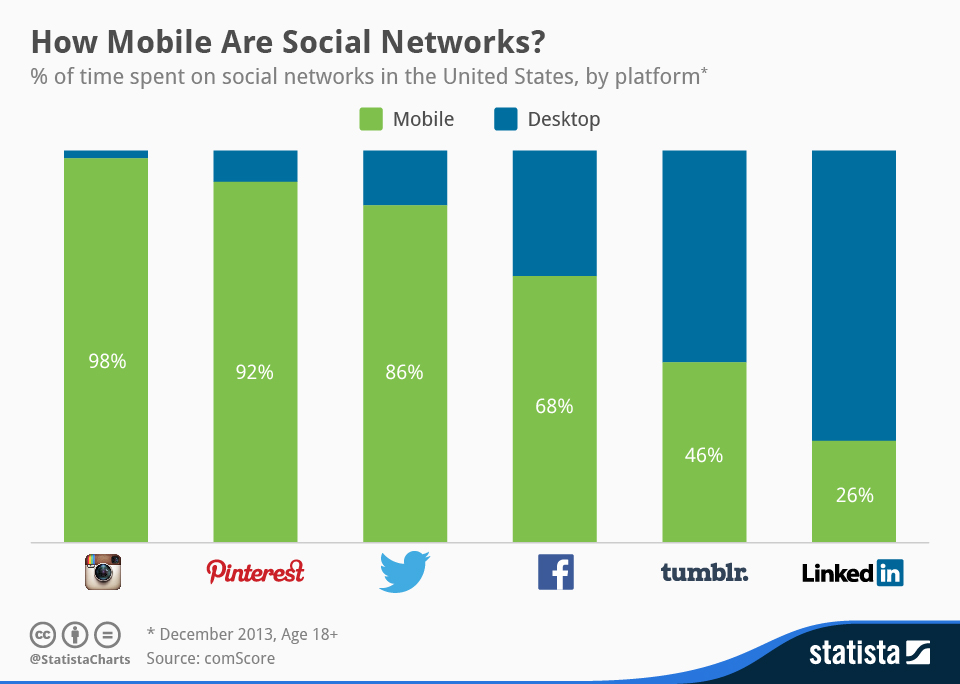 nine0003
- All musicians dream about it…
- They dream of killing for such a song, but I have it, but I refused to sing it. It was incredibly pleasant for me when in the city of Sarov, on May 9, on the square, there were probably 30 thousand, everything was on fire, I take the guitar: “You know, guys, this song is always asked to be sung in every city, no matter where you go . What do you think, which one? I thought "Lucy", and they all over the area: "Couples". I almost shed a tear. Because it was the moment when in a single city the song “Parami”, written by me, won the song “Lucy”. And this is an achievement, considering how many times it has sounded, how popular it is and how many people remember and sing it. nine0003
- In front of which hall do you feel more comfortable performing, more comfortable?
- Before anyone.
- Open, closed?
- Closed, street, a thousand, ten people... Naturally, since corporate work is also underway, hosting an event and singing for a small number of people: for five, ten people, it is always less comfortable.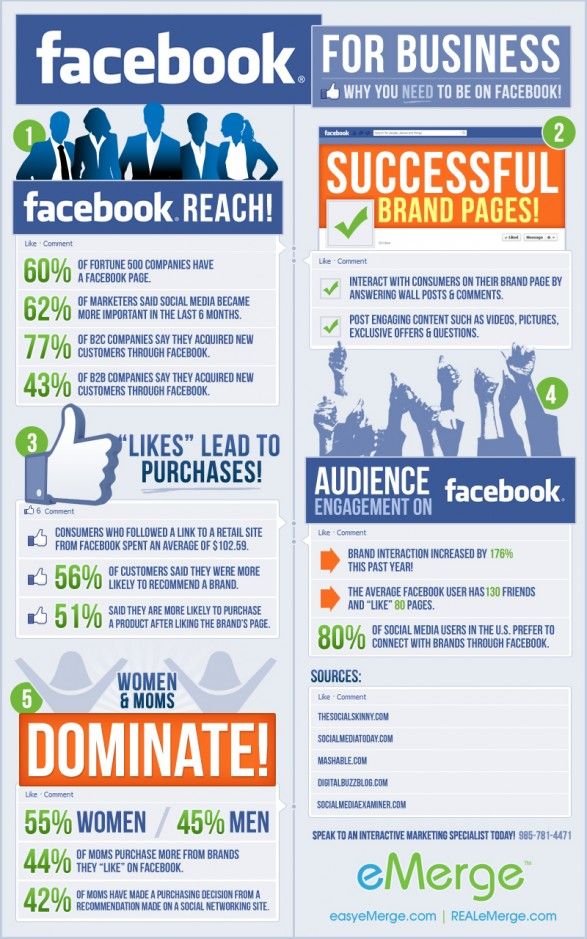 Because you need to fill more, you need to work more for five people, you need to give more energy to five than to give to a thousand people in the hall. Because there is already some kind of chemistry in the hall, the reaction is already underway. You're just a catalyst, you started it, that's all. For me, performing for the hall on the square, at city holidays is a thrill, because it is always a crowd of people, it is always interesting and cool to work with it when you are not afraid of it, but you know what to do with it. It's incredibly cool. But I have such a format as apartments. This is 50-100 people. I love these concerts too. Everything is different there. On kvartirnikah I read poetry more. I have poems that I write, they are never set to music. A verse is written, it will not become a song. And at the apartment houses I read them more than I sing. And this format also comes. We get a more acoustic set. nine0003
- With musicians?
- With musicians.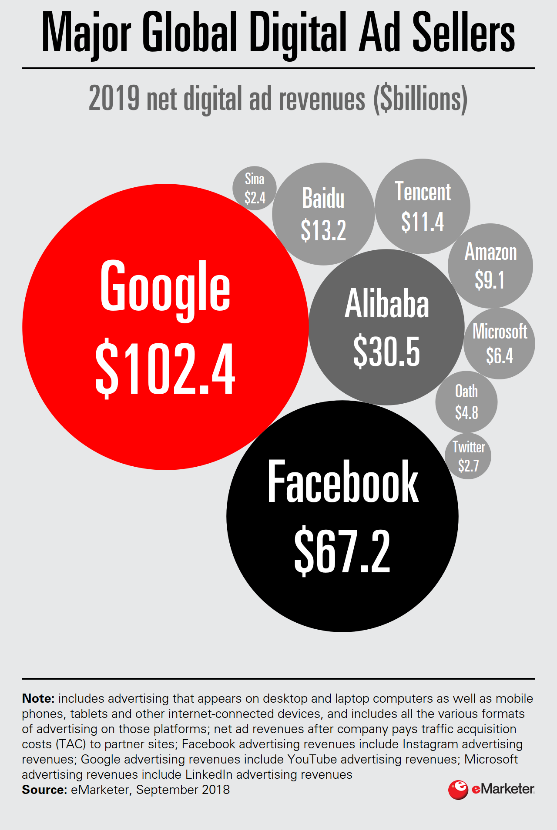 Live musicians, a substrate for poetry, a violin, I don’t have it at big concerts, and this format is very warm, very lamp-like.
- Where do you get more energy?
- Where the amplitude is, of course, greater - on large venues. But you give more. You give, you receive. Sometimes I can’t leave the stage on my feet from such concerts, I have to sit in a corner and catch my breath. This is not physical fatigue, you give energy. You get it, but you have to process and assimilate it. This is how I explain my condition. I had concerts when they just brought me from the stage to the dressing room under the arms, simply because I went out and fell. nine0003
- Tell me, what do you need in order to write songs, poems, lyrics?
- Broken heart.
- Exclusively?
- Exceptional. Sometimes it happens, there is some feeling of need for a song. But as a rule, I wrote 95% of my repertoire when something was bad, when I was disgusted, when I was unhappy, when I was bored, when I lacked someone, when I felt broken, offended and abandoned.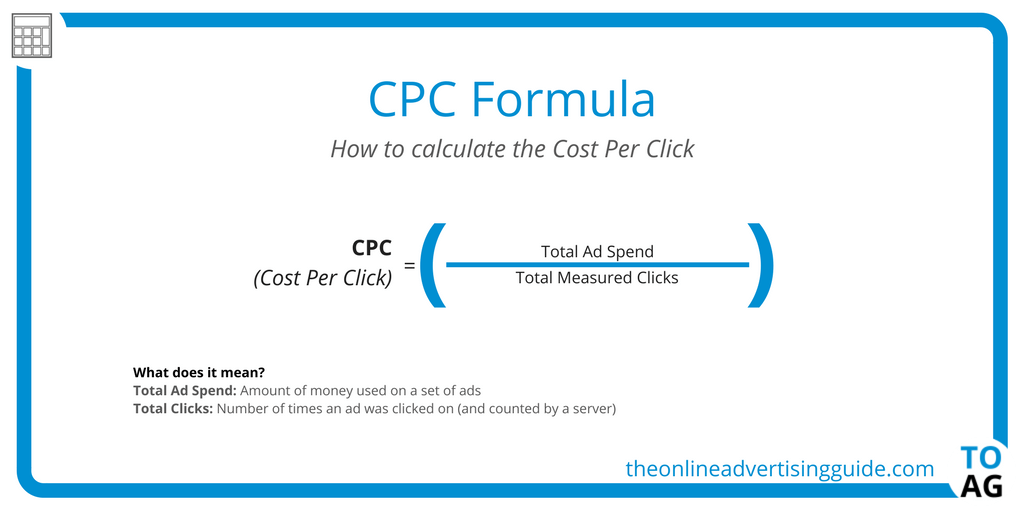 And at that moment things were written about love simply. nine0003
- Do you change arrangements often?
- Good question, by the way. Most recently, we relaunched the song "Let Go". She was fast on my first album, Anti-Phase. It was such an experimental electro-rock. And last year I decided to take it slow. It turned out to be an electric ballad. We shot a video for it, I always try to sing it at concerts, I read poetry in front of it, even at large venues, this is some element of the theater, I guess. On this song, I tear myself in half on stage. I can break the voice, I can do anything. This is exposure. nine0003
- Why did I ask? Wouldn't it be more profitable to perform the same song "Lucy" in the old format?
− 16 times in a concert?!
- But did you make it tougher?
- Why harder? No. The song "Lucy" has, I think, six or seven different arrangements that only I performed. It was in that form, then it was remade by Dominic Joker in a more electronic form. Then it was made for one radio close to the classical arrangement, only with new sounds. I did it for "Invasion" in the "Come together" style. I pinned on one corporate party, it went. And then we performed it several times in this style. Now the performance is in a more reggae version. There is no phonogram in this version, I almost always perform it only live at concerts. There are no downsides to it. And last year my father and I recorded it - again for another music award - and it turned out almost AC / DC. The song lives and changes. But it was a moment of some kind of musical joke. No one, of course, plans to ride with this song in this version. nine0003
- You are a musician. Is there anything left of the financier in you? Have you graduated from the Financial Academy with honors?
- I think faster than my former director.
- This is important...
- In fact, of course, I have some knowledge, and by the way, I keep my own records. We have a common email address where the whole organizational topic falls. With the administrator of correspondence, accounting, and everything else. And the questions that are within my competence, I answer myself with the signature "Rodion Gazmanov's team." Therefore, when the accountant of one company called me to urgently resolve the issue: “Hello, do you work in the team of Rodion Gazmanov?” - "Yes". - "And who do you work in it?" - Rodion Gazmanov. It was fun. Therefore, of course, I apply the skills. And a couple of times there were situations when there were problems - some kind of payment is not transferred, something else - my skills as a financier allowed me to quickly check how untrue it is and explain to people that they are wrong. The issue has been resolved. nine0003
- How did you solve the problem when your personal phone number was in the public domain? What advice would you give to people in a similar situation?
- A wonderful solution - there is such a thing as voice assistants. I still use an answering machine from a well-known bank, it has a voice assistant, it is actually a neural network that appears as an auto attendant, analyzes what a person says and sends a transcript of the chat to your social network. This is incredibly convenient because you don't have to listen to voice messages on your answering machine. Immediate decryption. And he recognizes the couriers, he writes "this is probably a delivery", or "spam advertising". Brilliant! All unfamiliar calls that I don’t have in my address book go to the answering machine, and I don’t pick up the phone. If someone needs to call me from an unknown number, like a courier, they know to text first. When the numbers were leaked, calls began - 1,500 a day, they called me from call centers, you know where, on the other side of the special operation, they threatened ...
- Unpleasant.
- Unpleasant. I heard it on the answering machine because I didn't pick up. I saw by the number where they called from.
- Today you say that you never wanted to leave Russia. But you had experience living in the UK, you studied there for a couple of years. Although today you say that you had a year in five then left. Why? Until now, many children dream of studying somewhere abroad.
- They've seen enough of Harry Potter. Is there really nothing to complain about? I can't say that they had a bad education. Their education is good. nine0003
- Are you satisfied?
- Look. They taught a wider range, but less deeply. Will explain. In the 9th grade, I came with my triplet in algebra and won some kind of Olympiad among schools. Trigonometry, they just started to pass, and the basic things. Maybe some complex functions are not needed. Any integrals. In principle, I do not need them now, I do not use them. When I returned to Russia and I had to enter the Financial Academy, I had to catch up with mathematics very much. To my own pride, I can say that I did it. But my brain was leaking through my ears. So it's just different. On the other hand, we were taught business there, an introduction to economics - something that was not taught in schools then. And many other things, which, probably, are not only more useful, more useful than higher mathematics, which I never liked and do not like now. And you could choose in which segments you study, which subjects. nine0003
- You must have improved your English there and…
-… I arrived there already with a normal language, because I studied at an advanced school, I had very good teachers in Russia, in Moscow. And of the entire stream that came to the UK that year to go to school, I was the only one who immediately went to regular education. All the rest, some for a month, some for six months, were in a preparatory class, where they taught English.
- It's no secret that your father and mother sent you there. And today, at 41, do you listen to them? nine0025
- I listen, I listen.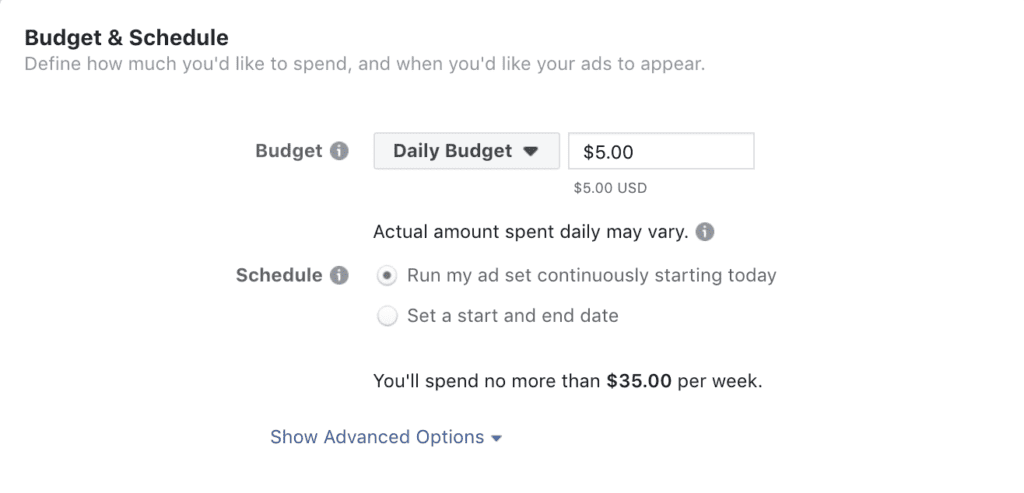 I think my parents' opinion is worthy of being heard. But to act one way or another is entirely my decision. The last time a decision was made for me was when I went to the Financial Academy. We had a democratic family council, I wanted to go to the legal one, and at the democratic family council, democratically, with two votes to one, I went to the Financial Academy. Just don't ask me what I voted for (laughs). That was the last time my parents made a decision for me. nine0003
Photo: social networks
- Is it really hard to carry the burden of the “son of Oleg Gazmanov”?
- Sometimes it's even fun. There was an amazing moment in St. Petersburg: the Big Concert Hall, some kind of consolidated concert, we sing our block for 15-20 minutes, a bunch of different artists, the lead poor girl, who has different sheets inserted into the folder from all sides, comes out and says: “Oleg Gazmanov!” I'm like, "I didn't guess!" She: “I would be happy to see my son speaking today .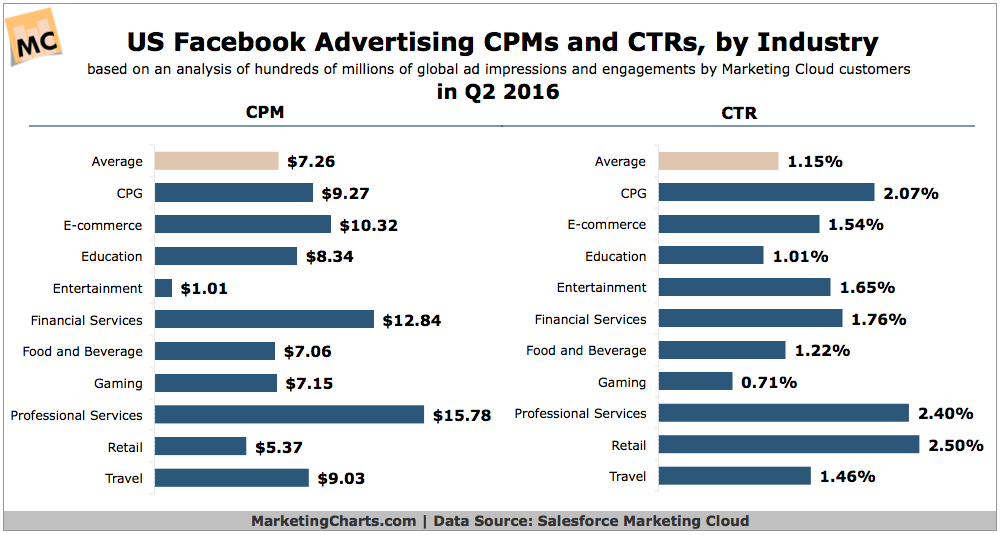 ..” I think so: “Well done! Right good!” It's fun. Another question: at some events I have to talk to the customer myself, explaining that I don’t sing the songs “Officers”, “Sailor”, “Esaul”, no, I don’t sing at all, no, I don’t sing for any money. Dad, please believe (laughs). No, never at all. Even if you forbid shooting, still never. And to the question: “Why?”, I’m a little stumped: “I just don’t sing.” I do not sing the song "A glass of vodka on the table." I have my own repertoire, and when we discuss the event, we discussed it with you, it is written in the documents that we have signed. So no, not at all. This is probably the most difficult moment of the burden of the son of Oleg Gazmanov. nine0003
- Listen, just not a single song at all?
- I have in my repertoire the song “Dance while you are young”, which we sang together. There is a song "Lucy" that we also sang together. There is a song "Last Snow" that he wrote for me, it's mine. The song "We are together" recently entered the repertoire, again, we performed it together at different concerts, so I was asked to sing it. But this is not a signature song that is associated exclusively with the main repertoire of Oleg Gazmanov. Here at this moment. I don’t sing the song “Moscow, the bells are ringing”, I wrote my song “Capital” especially for this, and we sing it at Moscow holidays. I don't sing the song "Officers" - not because I don't like it, I like it very much, I love it very much. I don't sing many songs that are not so famous with my father, but which I also really like, because, once again, this is his repertoire, his energy and his way. nine0003
- Is this your personal desire or did you agree with your father?
- This is my personal wish.
- Do you often argue with him?
- It happens. But we argue with respect. It is important. We came to this at some point, and we didn’t come right away and even, probably, not painlessly, we came to the point that even if we disagree about some point of view, the most important thing is that we are relatives. And you can be friends, you can love each other, you can maintain normal relations even if you disagree on something. Although we have a lot of points on which we support each other very much, understand and agree. But there are times when we can just bite the bit and even have a rather tough discussion over something for a couple of hours. But still, once again, there are priorities. nine0003
- What is family for you?
- This is relatives. I have the closest circle - this is my relatives, these are the closest of my friends, these are people who can say: “Listen, Rodik, I need a key to your house,” and I will answer: “Here, hold it.” And there will be no questions. And a couple of them, in principle, even have the keys to my house. That is, these are people who can call, say: “Listen, I came to you,” and I will go to open the door. Because this is the person I always expect, always ready to see at home, without warning, invitations, in any state, in any degree of loading. It's like to yourself. Here is a close circle. nine0003
Photo: Anna Kirillova
- Naturally, you communicate with both dad and mom. They divorced when you were still a teenager, was there any resentment?
- No offense. I don't hold any grudges. It's unproductive, especially after so many years. But with all this, I understand that when parents divorce, it leaves an imprint on the child. Is always. And in adulthood, he will drag it on himself. And before that. And after that. Of course, I do not blame my parents, I accept and understand them as much as possible. Because love has passed, so what to do? I should probably get divorced. But nevertheless, once again, it was a very difficult, very difficult episode for me, with which, already in adulthood, I began to figure it out and try to understand why I acted in this situation in this way and not otherwise, why certain actions from the side of such and such a person I was touched, wounded or not wounded. Why do I react this way? Where are these buttons, springs? And all this, of course, comes from childhood. nine0003
- I read somewhere that you don't get married because of this. Is this true or a journalist's fiction?
- People hear some phrase and twist it. I don't rule it out. Because I always wanted to bring some relationships that I had to the point so that I clearly understood: these are THE SAME relationships, I don’t want to leave them so as not to hurt a person, and even more so for children who can us to appear, I wanted to understand that I never want to leave here. And this is actually a trap. Because you can never be 100% sure of anything. nine0003
- What are your requirements for the girl of your dreams?
- To make it interesting to play intellectual strip games with her.
- Ridiculous.
- This is another version of the phrase: beautiful and smart. It's actually still hard to say. Because this is not shopping, this is not a technical task. Of course, I want to be close to a smart person. With a person who will not only decorate your events, but will be your partner and support. A person who, in difficult times, will give you a shoulder, a hand. And a person, probably, self-sufficient, who is a person. nine0003
- Mom and dad don't hint that they would like to have grandchildren already...
-...They directly talk about it.
- And?
- They say it with such a touch of irony. Because they understand, and it has been explained several times, that one should not drag anyone for anything. It just won't help. It might hinder, but it won't help. When the threat in the form of this phrase had an impact, they left me behind.
- But you yourself are wondering to whom to transfer your knowledge, experience, accumulated wealth? nine0025
- Genetics again. I had some moment, a period, I turned 40, even a little earlier, and I just said: “It's time! Necessary! Your parents were already so many when you showed up. How much time are you wasting. And then I realized that after all, in order to have children, the same person should be nearby. For a girl at the age of 30, the biological alarm clock no longer rings, but the alarm sounds. I just saw it many times. I'm not saying that all girls do this, but I have seen many times when throwing began and an urgent search for a partner in order to have a baby. And it turned out three unfortunate people. Because one does not want this family, the other gave birth to a child, wants the child to have a father, but the father is not around. And a child who, firstly, has constant disassembly of parents, and secondly, there is no complete set of parents nearby. I have seen situations where girls raise a child alone and bring up well. But basically, it’s still good when a child has both a dad and a mom, and they are doing well together. This is what I wish for myself and everyone around me. nine0003
Photo: Anna Kirillova
- How do you see yourself in 20 years?
- I don't look that far. Again, there is so much going on in the world right now that you can plan until Friday at the most and then, as it were. But I think that grandfather, probably not. Because somehow I myself am not in a hurry with children. But I think it will be about the same, only more quantitatively: more concerts, more songs released, more of everything.
Subscribe to our channel in Telegram
interview, exclusive interview, oleg gazmanov, rodion gazmanov
The actor admitted that even his mother dreamed of a wedding with Maria
Singer Alex Anokhin reminded a few rules of etiquette especially for WomanHit.ru expressions in your vocabulary
Singer Alex Anokhin will share his advice on how a child can learn to overcome excitement, be liberated on stage and show artistry with the parents of future artists
Tarologist Maria Rei tells who should save money in the first month of the new year
In an exclusive interview with WomanHit.