Although Facebook is already over ten years old (it appeared in 2004), many people are not clear about the difference between a Facebook Profile and a Facebook Page. That’s what we’ll talk about here! Today we will show you how you can turn your Profile into Fan Page and why it is convenient to do so.
This article is especially aimed at those people who use their personal profile to promote their business. Here you will know the advantages that a Facebook Page can bring to your company or venture, and the reasons why you should turn your profile into Fan Page. Let’s start!
First of all, it is important to explain the difference between a Profile and a Fan Page. While the first one is for personal use (that is to say non-commercial) and is designed to connect with friends and family, the second is designed to promote companies and commercially proposed on Facebook.
In fact, the Facebook Pages are integrated with a complete advertising platform that provides refined segmentation, promotion and statistics tools related to the target or target audience of advertisers using this medium to promote their companies.
The Facebook advertising service fits in every pocket and is extremely effective for both large companies and small retailers. This is thanks to the effective mechanical segmentation, which allows displaying ads to your target audience with virtually no margin of error.
Now let’s look at the differences between Pages or Fan Pages and Facebook Profiles with more specificity:
A Facebook profile is a personal account created to be used by a real person (that is to say, with your real name).
With a Facebook profile you can:
A Facebook Page is similar to a Profile but unlike this, it can represent anything (not just people). Indeed, there are Pages or Fan Pages for everything from celebrities to festivals, local businesses, politicians, movies or books. Postcron also has one!
So, if your goal is to generate a relevant presence for your business on Facebook, the best option without doubt is to create a Fan Page.
With a Facebook Page, you can:
To do any kind of thing on Facebook, like creating a Fan Page, you need a Profile. Besides it is convenient that you use your real name, since Facebook sanctions the users that lie with their personal data. You can take a look at this article to know what other actions you should avoid not to be blocked on Facebook.
In conclusion, if you are looking for a way to promote your business and connect with your audience, the way to do it on Facebook is through a Fan Page.
In case you have been promoting your brand or business from a personal profile, it is time to stop! Create a Fan Page from your profile to prevent blocking Facebook and access the many facilities that the social network provides to businesses and shops.
Doing so is really simple, as we’ll see in the step-by-step tutorial below. But first it is important that you take into account the following points:
Now that you know why having a Fan Page for your business is the most convenient, we will show you how to generate a Facebook Page from your profile, step by step. You will see that it is very simple! Here we go:
Enter your Facebook profile, since you must be “logged in” to perform this process.
After entering Facebook, click on this link: facebook.com/pages/create/migrate/ to start the process of creating a Fan Page for your business from your Profile.
Press the “Start” button and after a few moments you will see a message saying: “Congratulations, you already have your new Facebook Page”.
That is all! Simple, right? Now we’ll give you some tips to get the most out of your new Fan Page.
You can add relevant information such as the name of your business, your address, your website, hours of operation, and a map with your location, a description of your proposal and all kinds of information that is useful to the public.
First of all, we advise you to select all your friends from your profile, or the majority, to follow you on your new Facebook Page. Complementarily, you can write an email introducing your new Fan Page and send it to all your contacts, to tell them your proposal and invite them to follow you.
The idea is to add some content so that users who visit your Fan Page can know more about your business, products, staff, etc.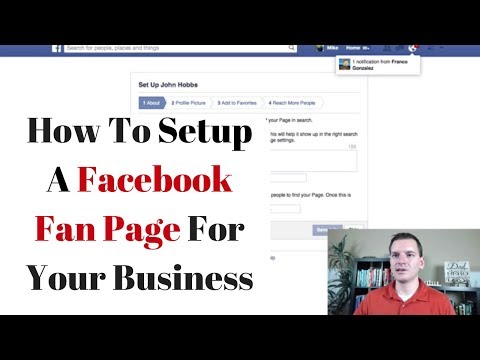 If you are uploading photos from your computer, we recommend you take a look at the sizes recommended by Facebook to make your images look attractive.
To capture new followers and keep the ones you already have, you need to provide quality content. And for that nothing is better than creating your own social media strategy. For this we advise you to analyze the profile of your audience, to raise the communication objectives of your business and generate content to achieve them and at the same time to bring added value to your audience.
5- Publishes with constancy to generate engagement
After creating and optimizing your Fan Page, it is important to maintain a systematic pace of your publications, so that there is always fresh and interesting content available to your visitors. That’s why the best practice is to schedule your publications in advance, so that they are automatically shared with no margin of error on the days and times you set.
To conclude this article, we can say that turning your profile into Fan Page is the way you should follow to promote your business on Facebook and reach your audience. Follow the steps proposed here and then tell us!
To learn more about managing your Facebook Page, we recommend reading the following articles from our blog:
That’s all for today! What did you think of this blog post? What is your experience promoting your business on Facebook? Tell us your opinion! And please do not forget to share this article with all your contacts that could interest you. See you soon! ?
Tags: customer loyalty on Social Networks, digital marketing, Facebook, fanpage, Marketing on Social Networks, Social Media Marketing, social networks
A platform as massive as Facebook is bound to have some confusion around its features and functionality. And with so many moving parts, marketers may find it challenging to decipher which features are best for their business.
One of the biggest sources of confusion for a business is whether to use a Facebook Profile or a Facebook Fan Page to represent yourself. Choosing incorrectly could prevent you from accessing unique tools and running Ads and limit your visibility into user data.
Arm yourself with all the necessary information before making a decision to ensure you’ve set yourself up for success on Facebook.
There are two ways you can represent yourself on Facebook, but it’s important to understand the differences between the two in order to effectively manage your presence on the social network.
A Facebook Profile is a personal account. It’s for non-commercial use and represents individual people. When you first sign up for Facebook, you’re given a profile. Your profile is where you add friends and family and share personal photos, videos and life updates.
Unless all of your updates are public, only people you add as a friend will be able to see your content. Non-friends can follow your profile for access to your public posts, but they will not be able to see anything shared specifically with friends or custom groups.
For this reason, a Facebook Profile isn’t a smart option for businesses wanting to promote products or engage customers. Using a Profile to share for-profit content is actually a violation of Facebook’s Terms of Service and can result in deletion of the account.
A Facebook Fan Page is a business account that represents a company or organization. It looks similar to a Facebook Profile, but it offers unique tools for managing and tracking engagement.
While you can only have one Facebook Profile tied to your name, you can have an unlimited number of Pages associated with your account. And unlike Profiles, multiple people can manage and contribute to a Page using their own Facebook login information.
Pages are great for building a following online because you’re not limited by friend requests. Instead individuals only have to click the Like button to start receiving your updates in their News Feeds.
You do, however, need a Facebook Profile to create a Fan Page, or you can convert an existing Profile to a Page. To do so, follow these simple steps:
This process can only be done once. After the conversion, you’ll have a personal account and a Page. You’ll be able to manage the Page from your personal account.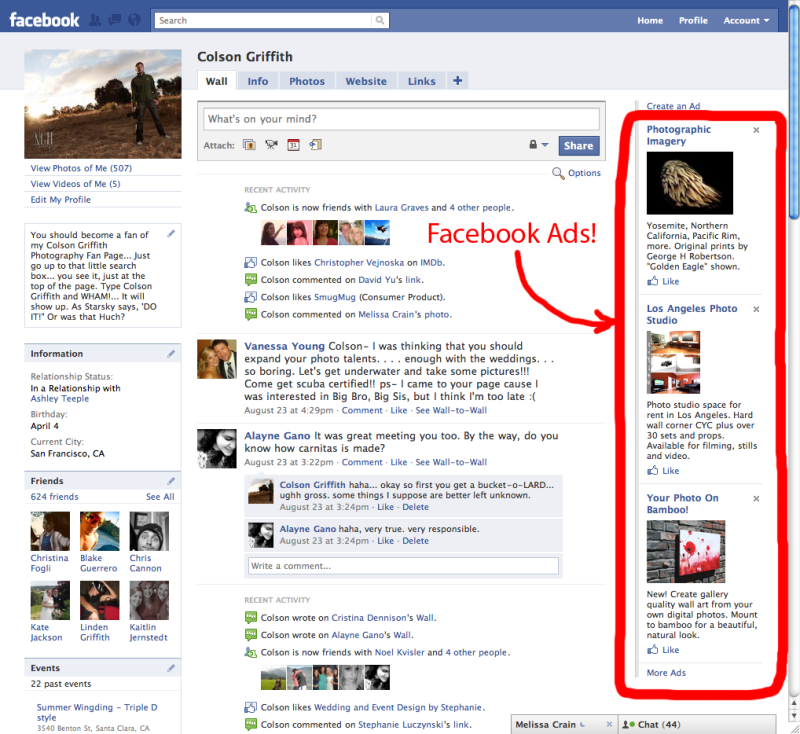 During the conversion, Facebook will transfer your current profile picture and cover photo to the Page and the name on the profile will become the Page’s name.
You’ll also have the option to add friends as people who Like the Page and to transfer photos you’ve shared from your personal account to the new Page.
Once you’ve decided to create your Facebook Page, the first thing you’ll be asked to do is choose a category based on these six choices:
Depending on the category you choose, you’ll have access to different features. Although the terminology differs slightly, this table outlines the differences across the various categories.
If you have an existing Facebook Page and want to change its category, follow these steps:
These features will only impact the basic information portion of your Page. Other features available to Facebook Pages include call-to-action buttons, visitor data and the ability to reach more people by boosting your posts.
Call-to-action buttons are free to use to bring your most important business objective to the forefront of your Facebook Fan Page. You can link any destination, on or off Facebook, that aligns with your goals. There are seven calls-to-action available:
The online retailer Dollar Shave Club used a call-to-action button on its Page.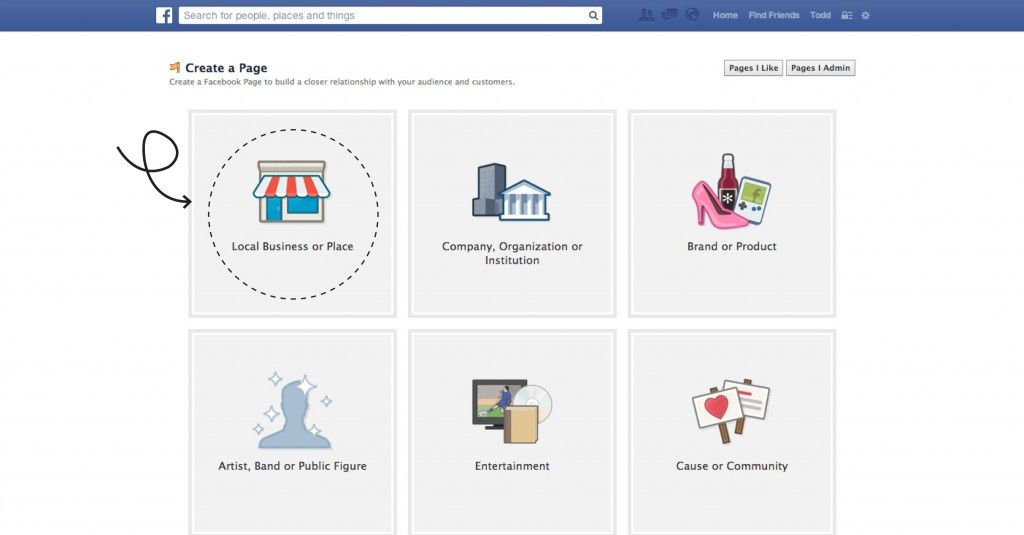 Over a three-week period, the brand saw a conversion rate 2.5 times higher than other social placements.
To add a call-to-action to your Page, go to your Page’s cover photo and click Create Call to Action.
When you create a Facebook Fan Page, you’re also given access to Page Insights. This provides you with information about your Page’s performance, such as audience demographic data and how people respond and react to your content.
Insights can play a major role in developing your content strategy. Not only will you have a better understanding of how people interact with your content, but you’ll also begin to see trends about when your audience is online. Use this information to create and publish posts that are more likely to reach people.
To access Insights, click Insights at the top of your Page. Access different sections (such as Likes or Reach) by clicking the sections on the left side of the screen.
Audience Insights is a separate tool that provides behavioral and demographic data for a segmented audience of your choice. It offers a much deeper dive into your fans’ behavior on and off Facebook. For example, you’ll have access to information like demographics, Facebook usage, purchase activity and Page Likes.
We covered everything you need to know about Facebook Audience Insights in an earlier post. Here you’ll find more information on how to use this tool and why it’s a beneficial asset to your business.
To begin exploring, visit facebook.com/ads/audience_insights or select Audience Insights from the Tools drop-down menu in Ads Manager.
The content delivered to fans in News Feed is heavily influenced by Facebook’s Edgerank algorithm, but it’s not totally out of your control. By boosting your post you increase the likelihood that your target demographic will see it in their feeds.
https://www.youtube.com/watch?v=cFkFVkm1lnA
Boosted posts will appear higher in News Feed and can include most of the posts you create—status updates, photos, videos and offers.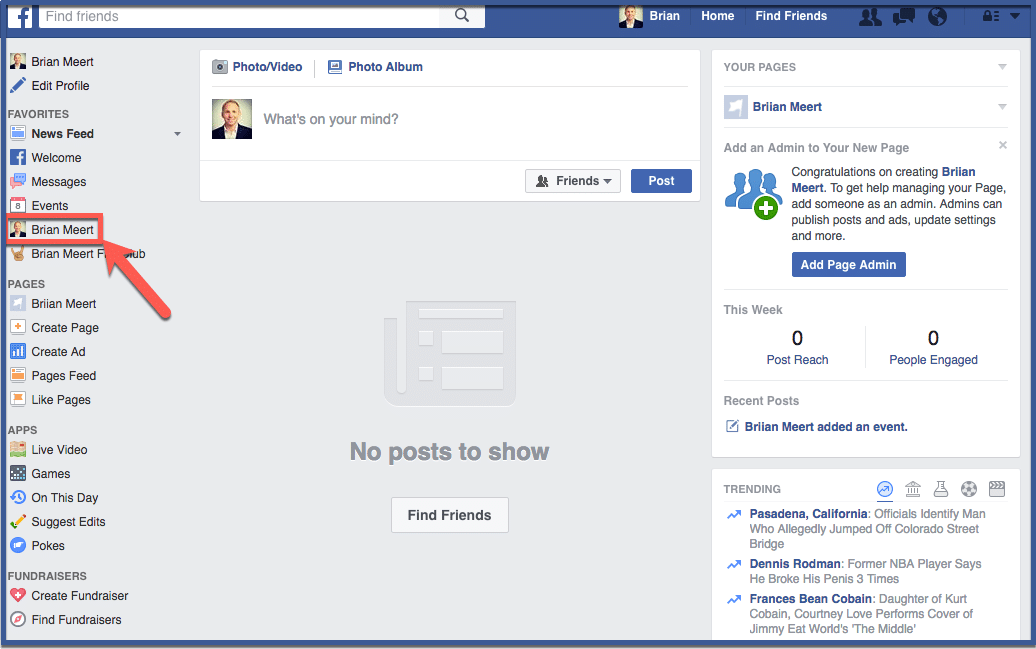 The cost of doing this depends on how many people you want to reach. You can see different budget options by going to you posts and clicking Boost Post. Higher reach can be achieved by either increasing your budget or refining or experimenting with your targeting preferences.
While Facebook Fan Pages are designed with brands and businesses in mind, celebrities and public figures will certainly benefit as well. Since you’re just one person, it may be tempting to build a community around your personal profile, but then you’d be missing out on all of the features mentioned above.
Additionally, Facebook Fan Pages can have an unlimited number of fans. Profiles, on the other hand, can have a maximum of only 5,000 friends, but an unlimited number of followers. If you’re trying to build a large community, Profiles are limiting.
As a public figure or celebrity, you run into a lot of copy cats and impostor social profiles. By using a Fan Page, you can verify your account. Once you’re verified, a blue badge will display next to the name of your Page. This shows fans that your Page is legitimate so they’ll have access to the most accurate information.
We should note that brands also have the option to have their Pages verified. While most Pages will display a blue badge, local businesses will have a gray badge to differentiate from celebrities, sports teams and other public figures.
If you’re a business, follow these steps to verify your Page.
As a business or brand, there are many benefits of having a Facebook Fan Page over a Profile. Whichever you choose, the next step is to focus on maintaining engagement. Building a successful presence on Facebook requires work, and great engagement starts with you.
We understand how difficult it can be to manage multiple Facebook Pages and keep up with all posts and comments. Through Sprout Social’s Facebook management tools, you have the ability to put all your Pages into a single, filterable stream.
This make’s it easier to monitor and engage with your fans without skipping a beat. If you’re looking for a solution to manage your Facebook Pages, try Sprout Social for a free 30-day trial!
Facebook Brand Pages make it easier for companies, organizations, brands and community organizations to share news and connect with people. Like profiles, pages can be updated by posting news, hosting events, and more. People who subscribe to your page updates will receive notifications of new events in their news feed.
To create a Facebook page :
Note . Anyone can create a page, but only authorized representatives can create pages for brands owned by an official organization, company, or public figure.
If you want to introduce a company, brand or product on Facebook, create page .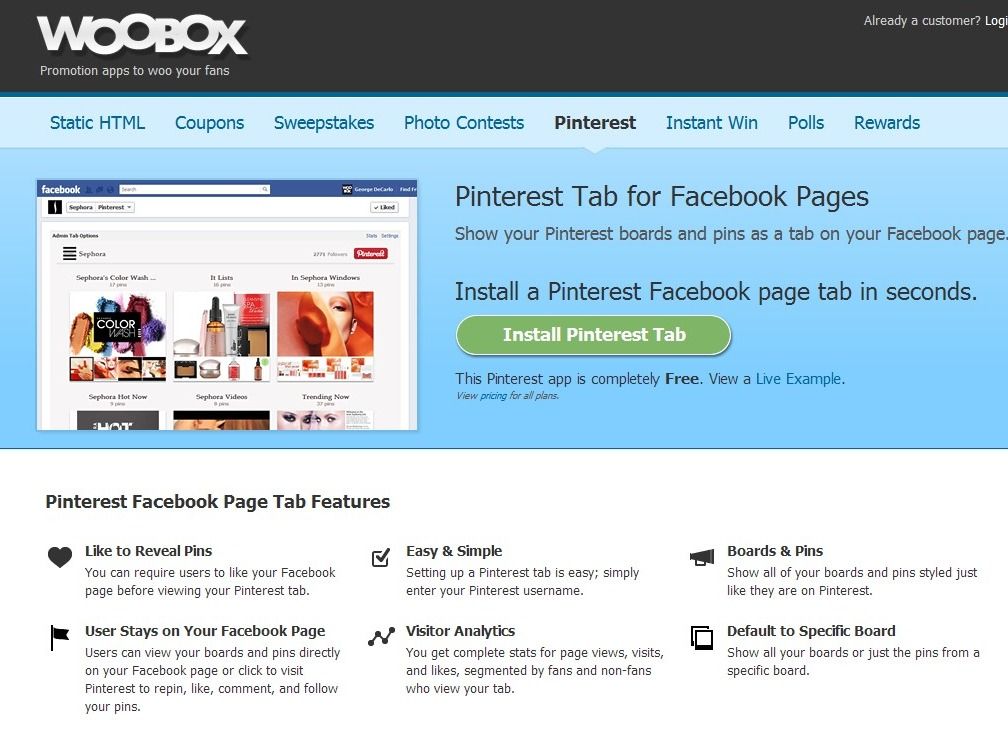 It allows you to attract the attention of other people on Facebook and offers tools for managing and analyzing audience activity.
If you want to share events from your schedule with a wider audience, you can let others follow you . If you allow others to follow you, all Facebook users will be able to follow you and see your public events in their feeds, even if you are not a Facebook friend. The number of people who follow you is unlimited, you can follow a maximum of 5000 users. You personal account can have up to 5000 friends
How to claim an unmanaged page
A page about your company can exist even if it was not created by one of your employees. For example, when someone registers for a job that doesn't have a page, Facebook creates an unmanaged page whose job it is to represent the location. The page can also be created from a Wikipedia article.
If the page is not managed, the inscription unofficial page is displayed under the photo in the background. You can claim a page, become its administrator, and connect it to your existing page that you manage on behalf of the company.
To get rights to an unmanaged page:
Be aware that Facebook may ask you to provide information to verify your ties to the company, such as your company's phone number, email address, or documents. If you know who the current admin is (for example, a former employee), you can contact that person and ask them to add you as an admin.
You can use more tools when creating a page. The page can be shared with a large number of recipients. Turning a profile into a page will create a new Facebook page based on your profile. You can only turn your profile into a page once.
After converting the profile to a page:
To turn your profile into a Facebook page:

What happens to the invite friends, followers, and pending friends sections when you convert your profile to a page?
After publishing a new page:
Using a profile to represent anything other than yourself (e. g. company products) is inappropriate Facebook Terms of Use . You may permanently lose access to your account unless you convert your account to a page.
If you use your profile to represent your company, turning it into a page will give you many benefits:
If you have two Facebook pages about the same thing, you can merge them, provided that:
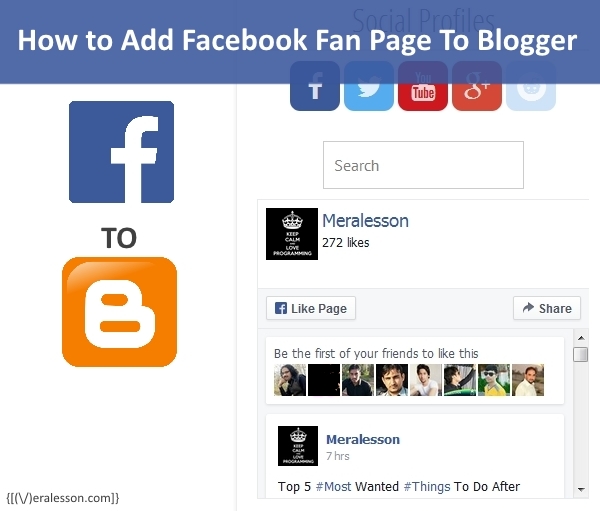
Before submitting a page merge request, ensure that the campaigns that are running do not have a page listed that will be removed.
To merge pages:
If you don't see the option to link your pages, it means they can't be linked. If you see an option to link your pages, your application will be considered.
The page merge feature merges all your likes and registrations, but all other content such as posts, photos, ratings, reviews, and username is permanently removed from the linked page.
The page you want to save will remain unchanged; only likes and registrations from the second attached page will be added to it. A page that is not saved will be removed from Facebook, and page deletion cannot be undone .
Note . If your pages are in the business manager, go to business. facebook.com/pages/merge to merge them.
To invite friends to your like page:
To view the invitations on the likes page, go to the Invitations tab.
If your site has less than 100,000 likes, you can invite people who reply to your page posts.
To invite people to reply to posts on your Page:
Remember that if the site has more than 100,000 likes, you will see the option to add people as friends instead of inviting them to the likes page.
To delete a page you must be an administrator of the page. If you are an administrator:
Your page will be permanently deleted after 14 days, but you can unpublish it at any time.
To cancel deleting a page:
You can also delete your personal account.
Note . If you don't see the delete page option, it may mean that you are not an administrator.
Published pages are visible to the public. Unpublished pages are only visible to those who manage them. Unpublishing a page will hide it from users, including those who liked it. The page will remain invisible until it is published.
As an administrator, you can cancel a post at any time. To unpublish a page:
Be aware that newly created pages may be unpublished due to inactivity.
Want to create your own page for business on Facebook, but don't know where to start and how to do it right? Then this article will be useful for you.
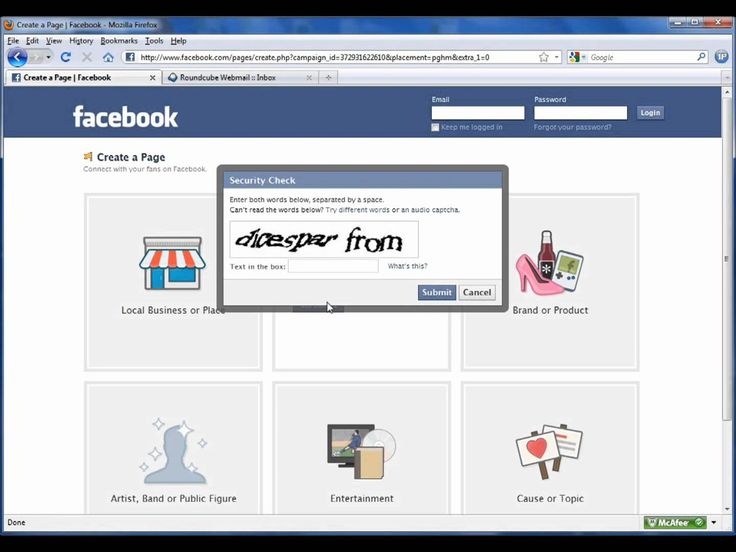
Let's get started. In order to create your Facebook page, you need to go to the fan communities page and select one of the categories that your business belongs to.
In total, Facebook offers 6 main categories to choose from. Each category has its own settings and features. Below is a table from the Facebook directory, where you can see what features are available when you select a particular category. And choose the best option for your page.
Let's take a closer look at each option:
Local Business or Place.
You should select this category if your company has a physical address where your potential buyers can find you. Also with this feature (Facebook Map), your customers can tag your address when they visit your business and/or leave reviews on your Facebook page. For example, you have a hairdressing salon in the Darnitsky district of Kyiv.
Company, organization or institution.
If your company is not tied to the local market, but operates in a large area, you should choose this category. Also, this category is suitable for you if you do not want users to be able to leave a review, but your address was indicated on the map. For example, you represent Pepsi or Tesla.
Brand or product.
This category is suitable for those companies whose goods are sold in different outlets, through retail. This option is suitable if writing a physical address is not relevant for you. For example, you are a representative - Roshen.
Artist, band or famous person.
You should choose this category if your page is about a famous person, like you. This is ideal if you're promoting yourself as a brand and want more promotional opportunities than a regular account. For example, you are Andrey Shevchenko.
Entertainment.
This category will suit you if your page is about books, movies, sports in general, but not individuals like the category above. For example, you want to create a Manchester United fan page.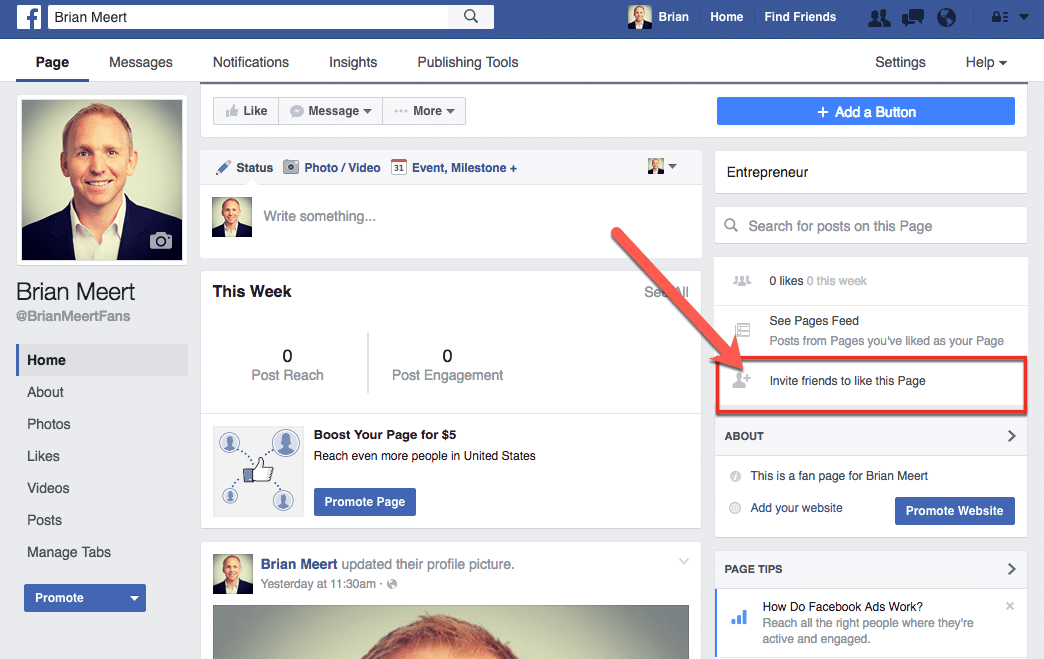
General idea or community.
This option is for those who do not fit any of the above categories.
IMPORTANT POINT: You can change the category of your page on Facebook as much as you want.
And now, for example, let's select the category "companies" and click "start", i.e. create your page.
Next, using the tips, you need to set up your page. Step one is to write a description of the page (what your page will be about, who you created it for, etc.) and insert a link to your website.
Step #2 is choosing a photo (180X180) for your avatar. You can skip this step and choose a photo later. Also, at any time you can change both the avatar photo and the cover photo of your fan page.
In the third step, you will be prompted to add the page to your favorites (this can also be done later if necessary). And at step number 4, you will be prompted to select the preferred audience for your page.