Facebook is one of the biggest social media platforms across the globe. The platform has over a billion users around the world and naturally, it becomes the target for many scammers, hackers, and more. There are several different ways hackers can access a Facebook account. It might be through a phishing scam or they might get access to your sensitive personal information. If you’re unlucky enough to have your Facebook account hacked, we’ve got you covered. In this article, we will tell you how to report and recover your hacked Facebook account along with some important tips and tricks that will help you secure your account.
Also Read: How to Lock Facebook Profile on Your Android or iOS App and Website
There are different ways to tell whether your FB account is hacked or compromised. First of all, you will need to check whether there is unauthorised access to your Facebook account. In order to do that, do the following:
Also Read: How to Delete Your Facebook Account, Page and Group in Easy Steps?
That being said, there can also be other factors which suggest that your Facebook account is hacked or compromised. These might include:
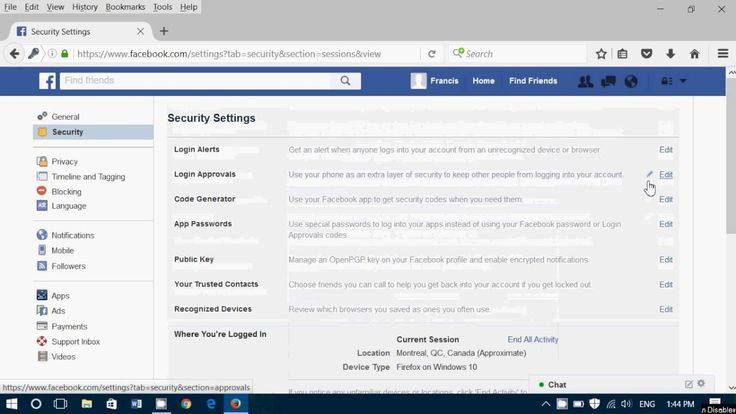
Facebook allows you to report and recover your account if it is hacked or misused. Here’s what you need to do:
Also Read: Facebook Video Download Online: How To Download Facebook Videos, Reels on Android, iOS Mobiles, Laptop
That being said, if the email address associated with your Facebook account is changed, you will still need to recover it. When there is a change in the email address, Facebook sends a message to your old email ID with a special link. You can click that link to reverse the email address change and secure your account.
There are times when you see a Facebook profile that pretends to be you by using your photo and name. If you or a friend spot such an account, here’s what you need to do:
Also Read: Facebook Account Delete: How to Delete Facebook Account Permanently
Whether you’ve been the victim of a hack or not, it is vital to make sure that you secure your Facebook account. There are some tips and tricks through which you can do it. Here’s what you need to do:
Facebook has introduced a two-factor authentication feature that helps you to protect your Facebook account. The feature allows you to enter a special login code to confirm your login attempt each time you access your Facebook account from a mobile device or a browser. In order to activate this feature, do this:
Facebook also allows users to set alerts about unrecognised logins from their account. This security feature basically alerts you when someone tries to log in from a new device or web browser. The alerts give you information about the location from which the login attempt was made. Here’s how you can enable it:
If you’re using someone else’s laptop or your office laptop or PC, always make sure to logout from your Facebook account to prevent someone else accessing it.
It is important to use a strong password for your Facebook account. One should create a password that is easy to remember but difficult to guess for others. Avoid using your email address, phone number, date of birth or more for creating a password. It is always advisable to use a combination of letters, numbers and special characters to create a strong password. Alternatively, use Google Chrome or Safari’s strong password suggest tool, which will create a password out of random characters, and save it to your Google or iCloud account for easy access.
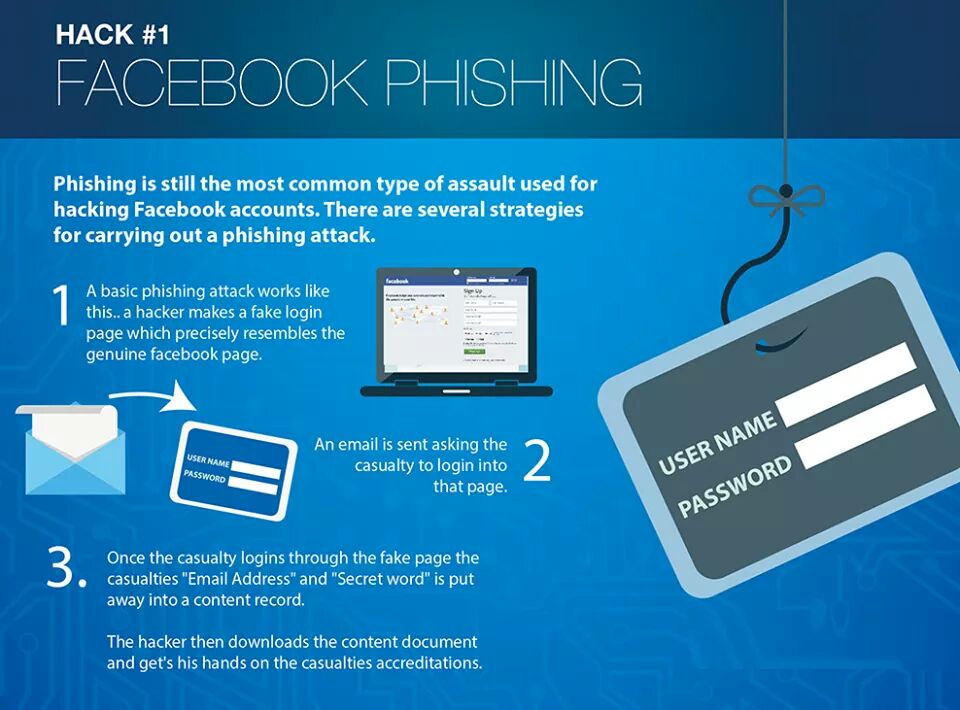
This is one of the most important tips of all time: never ever share your login details with anyone. This is especially the case when you are online. Scammers may create fake websites that look similar to Facebook and then they will tell you to log in with your email and password. Always make sure that you are using the right website. If you have any doubts, simply type www.facebook.com into your browser to access Facebook.
It is important to keep an eye out for malicious software on your system. Always make sure to scan your computer for viruses, malware, and more and remove it on time so that your sensitive information remains safe.
Facebook also allows you to secure your account by diagnosing it through its Security Checkup feature. The feature basically tells you whether your password is strong enough, whether you have turned on two-factor authentication, and how you can get notifications if you login with your Facebook account. Here’s how you can use the Facebook Security Checkup feature to protect your FB account.

You should know if your Facebook account has been hacked by someone or if there is a change of email address or password. Moreover, your name or birthday has been changed. There are friend requests sent from your profile to unknown people. Messages have been sent that you didn’t write. Moreover, there are some posts that may have been posted from your profile without your knowledge.
It's no fun logging into Facebook and realizing that someone has hacked your account. But it happens, and the damage done can be a big deal for you and your friends and family.
Thankfully, there are a few things that you can do to prevent your Facebook from being hacked. And if it is hacked, there are also things you can do to fix the problem. Here's how...
Usually, the hack is obvious. Your profile might start posting ads on your friends' walls encouraging them to buy a pair of knock-off Ray-Bans, or something similar. Your hacked Facebook account might also send unwanted emails, change your profile information, or even change your email address and password. These are all bad scenarios and things you'll want to avoid.
Another common Facebook hack sends messages over Messenger to your friends, encouraging them to click on a link. When they do, usually their account will get hacked too. Not only are hacked accounts dangerous for you, but they can put your family and friends at risk too.
Thankfully, there's an easy way to discover whether or not someone else has logged into your Facebook account.
Go to Settings and Privacy > Settings > Security and login > Where You're Logged In and click See More. The information contained in the section will show where you've logged in and with what devices you signed in with.
Remember: If your password has been changed by a hacker, you need to act quickly to recover your Facebook account.
The Fix: If you do find a discrepancy with where you've logged in to Facebook, you can easily end the activity of that session, which should help safeguard you from any hacking attempt on that device. You can also log out of all sessions to be safe.
There's another way to check whether someone has hacked your Facebook account, and that's by checking your purchase history. If you have a credit card stored on your account, it's possible that hackers could make fraudulent purchases and drive up your bill.
To ensure you're protected, go to Settings and Privacy > Settings > Orders and payments, and check under your activity here, which should be readily displayed. You can even check your Ads Payments section to see if a hacker purchased ads.
The Fix: If you notice any fraudulent charges, you can inform Facebook Support about them. The company is pretty good with replying to concerns, whether that's through the Facebook account or through its official Twitter account.
If you have any problems with hacking whatsoever, you should inform Facebook. Facebook is keen to know about hack attempts and wants to do its part to keep the site as safe and secure as possible.
The Fix: You can contact Facebook through its official Twitter account or you can send a message using your Support Inbox. You can find yours by going to Settings > Support Inbox.
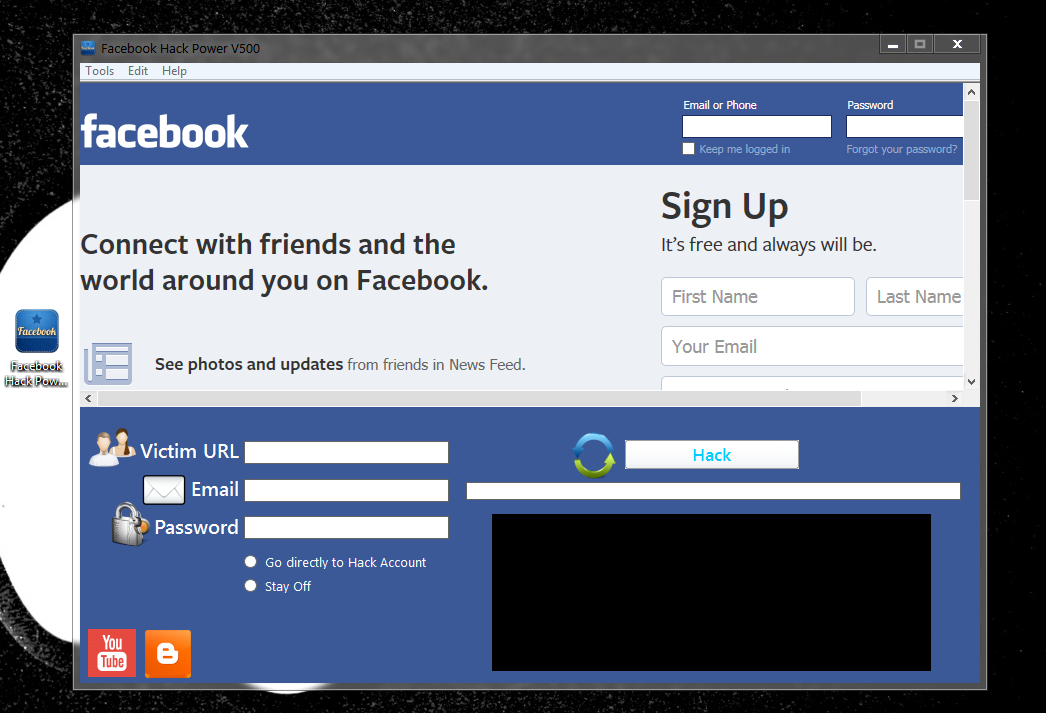
You could check out the Bullying Center, Safety Check, and Safety Center pages if you have additional problems with your Facebook account and/or security.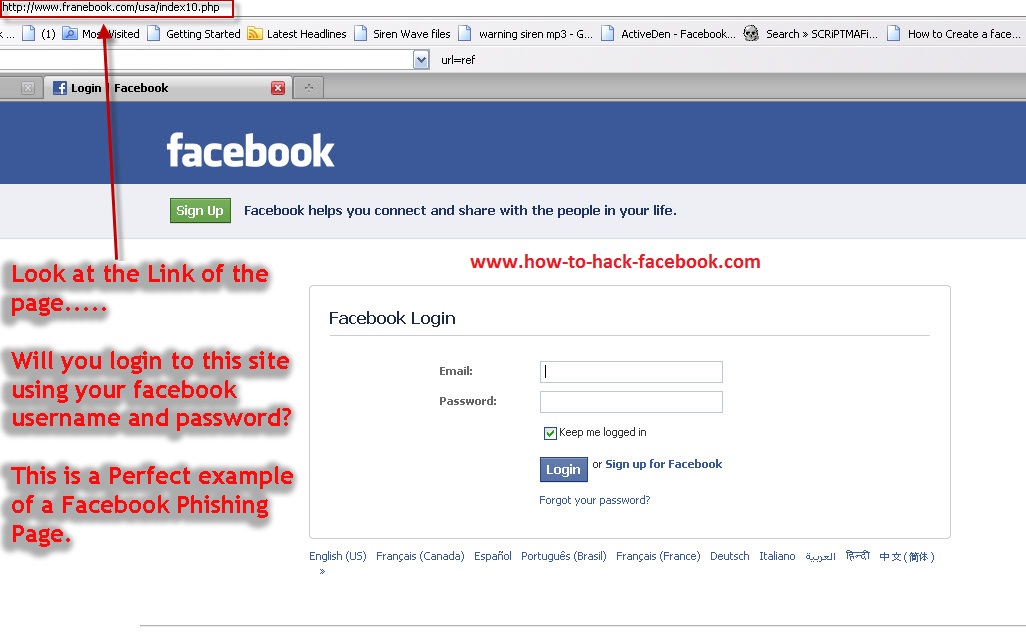
Before we get into fixing your Facebook account, it's best to know how to prevent would-be hackers from accessing your account. Setting a better password, avoiding spam, and increasing your privacy are just a few methods that could help safeguard your Facebook.
You need to set a memorable password that isn't susceptible to brute force attacks. Enabling fingerprint access is also good security advice, along with being convenient.
After you have taken care of the basics, there are a few more advanced options you should consider. You could enable email or login notifications, which you can do under Settings > Security and login > Setting up extra security > Get alerts about unrecognized logins.
Under the security settings, you can also set up two-factor authentication. Doing so requires a security code to be typed when logging in from an unknown device or browser, and is another powerful deterrent to consider.
You also need to think about the preventative measures you can take to protect your Facebook account from hackers.
For example, you should avoid clickbait links. This might seem simple enough, but there are plenty of cases of people clicking spam on Facebook and ruining their computers. Don't let it happen to you. Avoid spam links, which may even appear in your Messenger inbox.
You should also avoid any messages claiming to be your friends trying to get their accounts fixed, as this is another common hack. Here, a hacker will send you a link when pretending to be a friend, and the link will end up stealing your information instead. You should also avoid sending anyone a Facebook text message code or one-time PIN (OTP).
You should also avoid fake websites that are made to look like Facebook and could steal your sensitive information. If you enter your login details into such a site, your Facebook account will be hacked in seconds.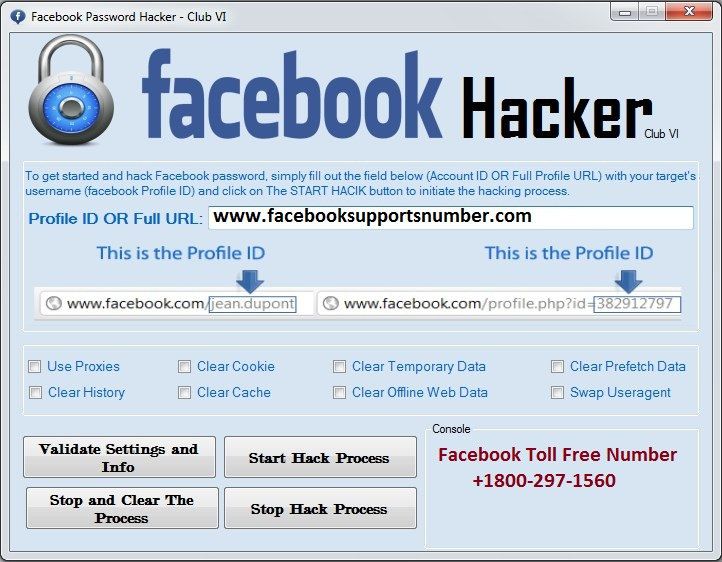
Another step you can take is to increase privacy settings on your photos, posts, and tags.
Hiding these items might keep your privacy more intact, especially if you also set up friend lists. Doing so is a good way to ensure that your items are shown to specific people, and not to your entire list—or worse—the entire internet.
In terms of your Facebook account's security, making the changes limits the number of comments you receive and restricts them to the people you trust most. This makes you less likely to click on a link from someone masquerading as your friend.
If you have been unfortunate enough to suffer from a hacked Facebook account, don't worry. It is possible to rectify the issue.
To minimize the damage you should:
If you need more detailed guidance, here's a full guide on how to fix a hacked Facebook account.
Hopefully, you now know how to tell if your Facebook account has been hacked and what to do about it.
And remember, while nothing is ever 100 percent protected, Facebook offers lots of ways to safeguard your account. Doing so means that hackers will be hard-pressed to obtain your data or personal information. By taking the necessary security precautions, you're ensuring that you're as protected as possible.
Help Center
Using Facebook
Groups
We're updating the mobile version of Facebook.com. More
Try our step-by-step help
Our step-by-step help tool guides you through the steps needed to solve your problem.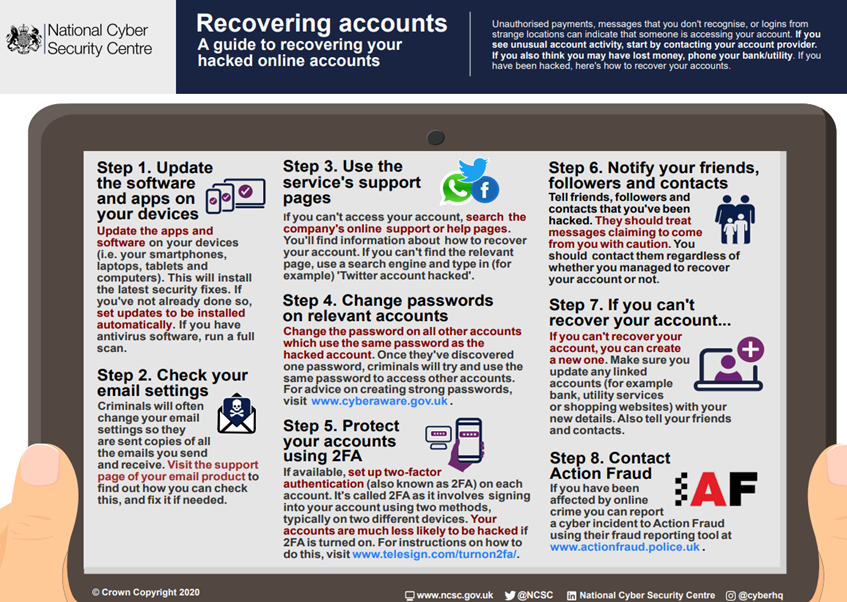
If you think your account has been hacked or is being used by someone else, please visit this page to keep it safe. We will ask you to change your password and review your recent login activity. nine0003
Your account has probably been hacked if you see that:
Your email address or password has been changed.
Your name or date of birth has been changed.
Sending friend requests to people you don't know.
Messages that you did not write are being sent.
Posts or announcements appear that you did not create.
You can also use these tools and tips to secure your account. Also, see how to protect yourself from malware that could compromise your account. nine0003
Note. If the email address associated with your Facebook account has been changed, you can undo this action. When an email address changes, we send a message with a special link to the previous address. Click this link to undo the change and secure your account.
Was the article helpful?
I think my friend's Facebook account has been hacked
It looks like my Facebook Page has been hacked or someone else has accessed it
Information
Privacy
Terms and Conditions
Advertising Preferences
Jobs
Cookies
Create Ad
Create Page Submit
| Facebook Help CenterHelp Center
Reporting Complaints
We're updating the mobile version of Facebook.