As far as social media marketing channels go, Instagram has been a major power player for quite a while. This is particularly true for ecommerce businesses, which get access to a visual-focused platform with enthusiastic followers and high engagement.
In the past few years, Instagram has grown and evolved at a rate similar to Facebook, quickly adopting new features (including Instagram Stories and Instagram Reels) and becoming even more valuable to merchants and users alike.
In this beginner’s guide, we’ll cover everything you need to know about Instagram marketing, including how to optimize your profile, how to create eye-catching Instagram content, how to get more results with both feed and Stories content, and how to implement the perfect Instagram marketing strategy.
Learn everything about Instagram marketing:
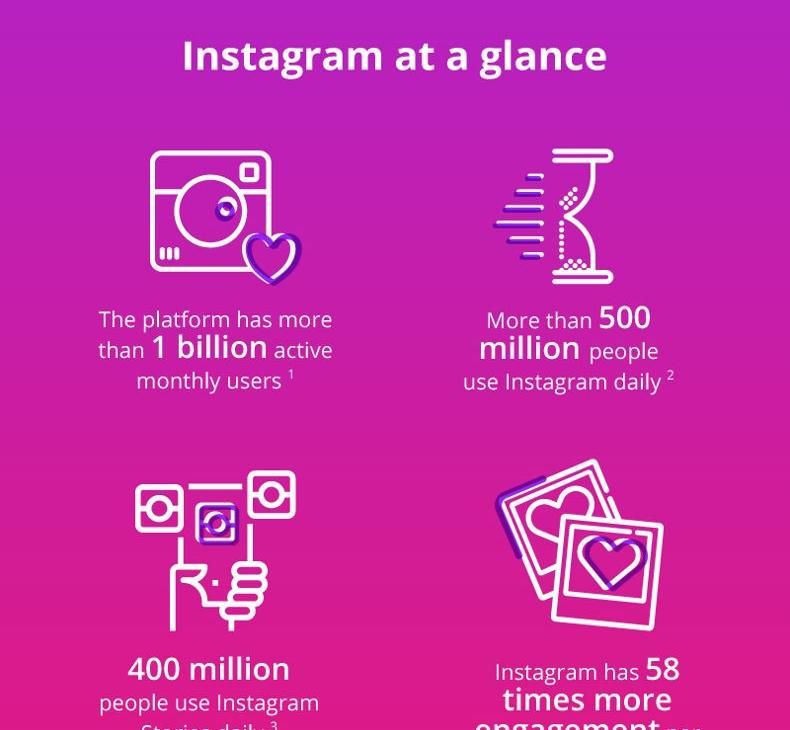
Instagram is a staple of many small businesses’ marketing campaigns, and for good reason. It has a large and diverse audience of over one billion monthly active Instagram users and 500 million daily Instagram Stories users who are happy to engage with brands, resulting in high engagement overall.
Research and case studies have clearly demonstrated the benefits of an Instagram marketing strategy, finding that it translates directly into sales and leads.
In general, Instagram users are more than happy to follow brands on Instagram, where they are actively discovering and purchasing products on their Instagram feed.
Instagram shopping specific features have made the biggest impact for both brands and shoppers because they essentially close the gap between product discovery and purchase on the app.
Taylor Loren, in an edited excerpt from the course How to Make Money on Instagram
It’s also worth noting that Instagram continues to invest in helping ecommerce brands and stores turn engagement into sales. For example, Instagram ads, when done correctly, often see excellent results and offer high engagement.
Shopping on Instagram streamlines the Instagram sales process. Business profiles with over 10,000 Instagram followers can add Swipe Up links to Instagram Stories to drive traffic directly to their site, something that was otherwise difficult to do on the platform.
Instagram keeps expanding, making it more valuable to merchants and ecommerce businesses, especially if they have products with a strong visual appeal.
The best part? The Instagram algorithm shows your content to users based on their interests and behaviors in the app. This makes it easier for you to reach Instagram users who’ll likely engage with your brand, and get more results from your Instagram marketing efforts.
Free Webinar:
How to Grow and Monetize Your Instagram Account
A free workshop with field-tested Instagram marketing tips. Learn how to grow your Instagram audience and monetize it with an online store.
Register now
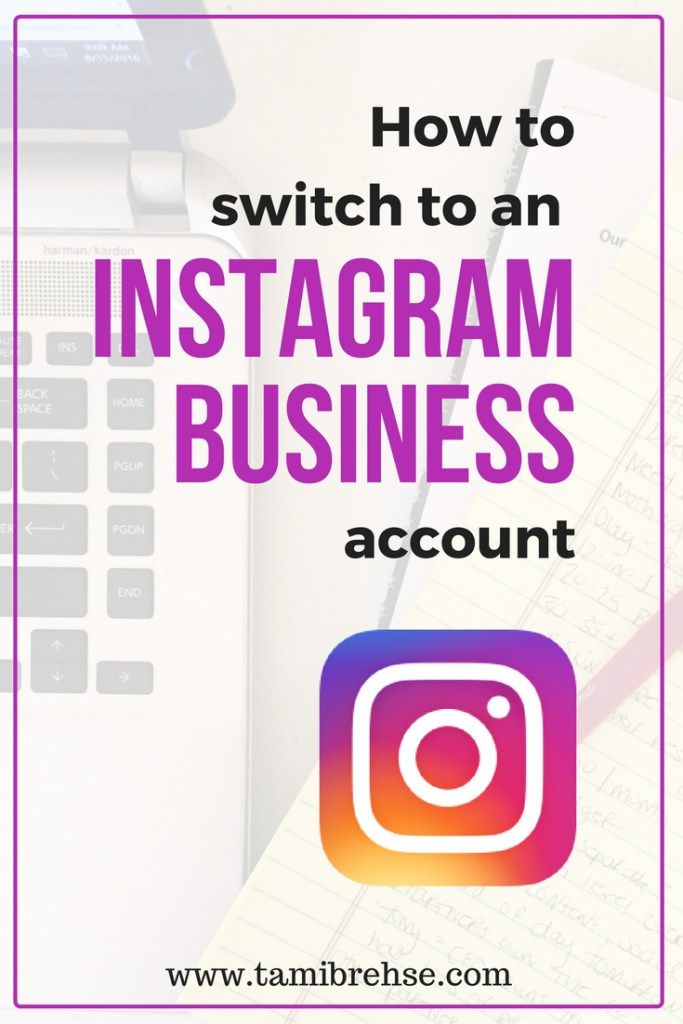
To start using Instagram for marketing, you’ll need an Instagram Business account or an Instagram Creator account. If you already have a personal Instagram account, you’ll just need to switch to an Instagram business profile in the Instagram app.
Here’s how to do it:
After setting up your account you'll want to add an Instagram bio and contact details, which we'll cover in the following section.
If you want to verify your Instagram account, read Want To Get Verified On Instagram? Here's How The Process Works.
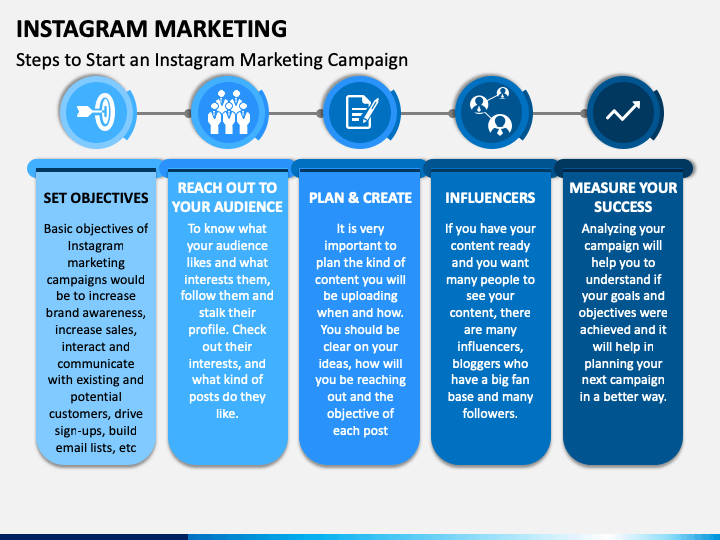
Use the following tips to build your Instagram marketing strategy and set your brand up for success.
To get started with marketing your business on social media, you’ll first need to handle the basics of setting up your Instagram account.
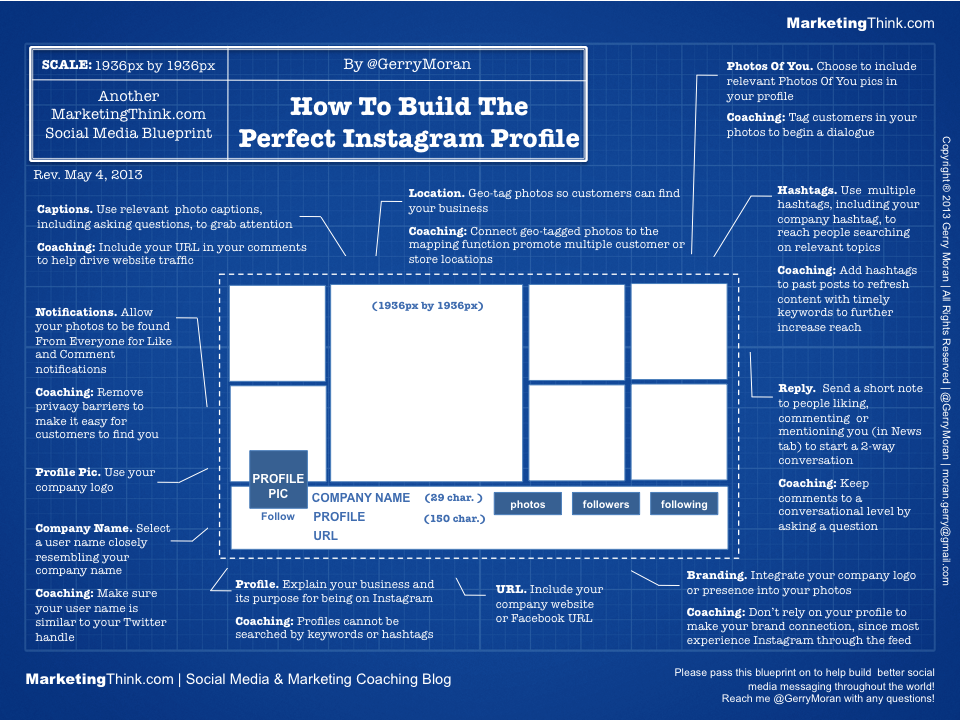
You need to fill out your contact information, have a keyword-optimized description (don’t forget emojis!), and choose a profile picture that’s easily identifiable, like a logo.
This is a great start. But to get the most out of your Instagram marketing strategy, you’re going to want to take your Instagram account to the next level.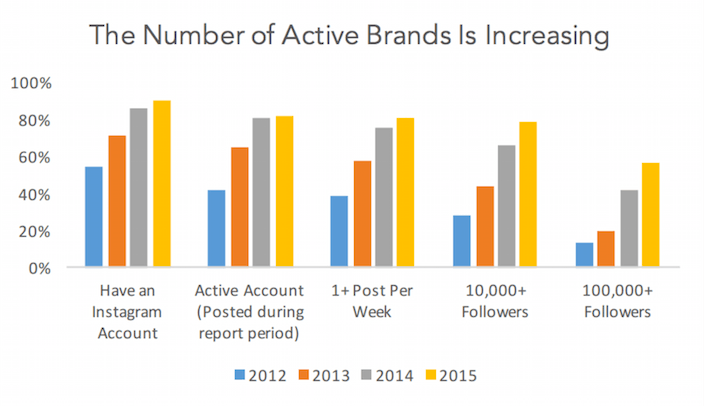 Here’s how.
 You can also use this feature to send people to your personal profile if that fits with your branding.
Here’s an example from Fashion Nova that combines all three of these features into a well-optimized Instagram bio and profile.
Instagram has one of the most active user bases across all social media platforms, with 63% of Instagram users logging in at least once a day. They also spend an average of 28 minutes on the app.
If you want to get results with Instagram marketing, you need to know what types of posts perform best. Does your audience like Instagram Stories most? Or do they prefer standard Instagram photos?
While every demographic is different, there’s fortunately been a lot of data compiled that can give us some insight on where to start.
Instagram users enjoy a broad range of post types, including promotional posts, motivational quotes, product photos, DIY or tutorial content, and images shared from other users (i.e., user-generated content). That said, users want to see diversity; they’ll get bored or annoyed if you just use one type of Instagram post for too long.
As a small business owner, don't be afraid to own the low production value. If you're making your products in the messy basement, that can actually be endearing to an audience.
Gretta van Riel, in an edited excerpt from the course Grow Your Business with Instagram
Instagram videos can share more information with users, making them valuable.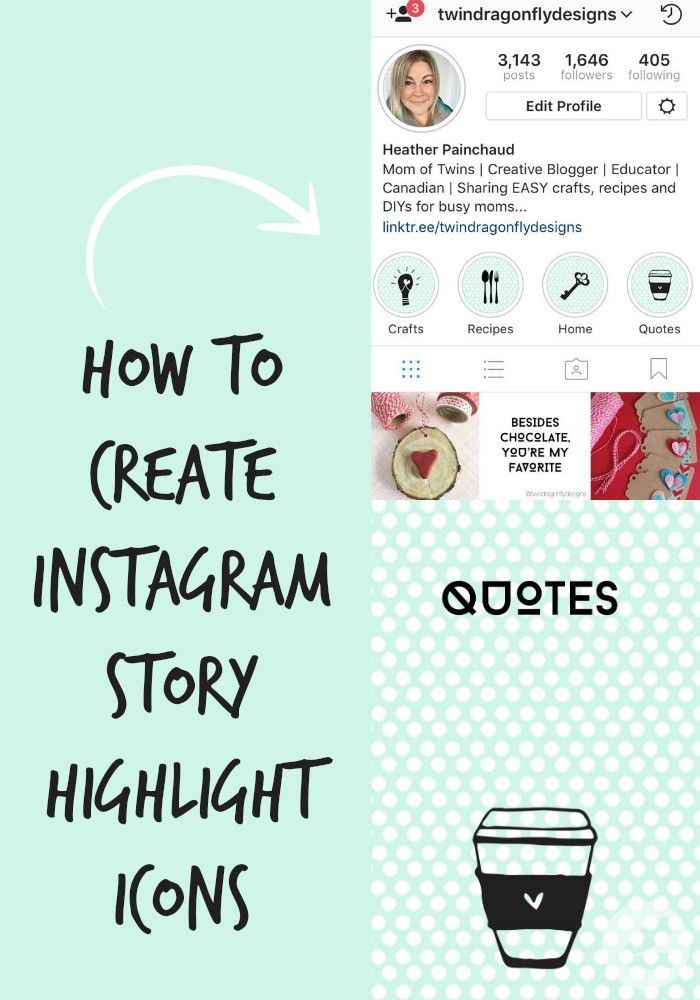 Still, if you’re going to use video on Instagram, be sure keep it short, even on IGTV. Instagram users are predominantly mobile users, and they aren’t likely to stick around for more than 10 to 15 seconds at a time.
Of course, many of the world’s most creative brands and artists are pushing the limits of Instagram Stories. Keep an eye on how your competition is using Instagram marketing to generate inspiration.
In many ways, the aesthetic of the images and videos are a lot more important. Instagram is, after all, a visual-centric platform. Here’s what we know about the content that performs best on Instagram:
 You can use Instagram captions to direct your audience to your website or a blog post, or even enter a contest.
From product carousels to interactive content like Reels, there are many ways to engage with an Instagram audience and spice up your followers’ feeds. It just takes a little know-how.
Ultimately, you should have an experimental mindset when it comes to your Instagram marketing. Not every video or image is going to be a hit. But by testing different types of content and Instagram Stories, you can find the type of content that works for your audience.
Resources:
Hashtags started on Twitter, and while they never took off on Facebook, the use of relevant hashtags are a staple of effective Instagram marketing. By adding text after the # symbol in an Instagram caption, bio, or Story, you can turn any word or phrase into a clickable topic.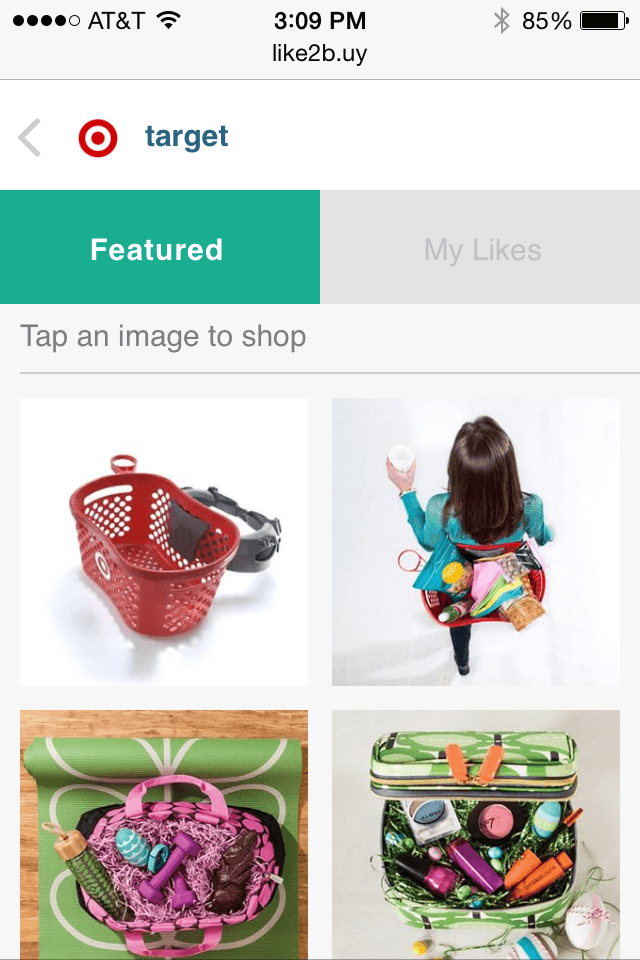
When users click a hashtag on Instagram, they’ll see a collection of all the public posts using that hashtag. Perhaps even more significant, users can now follow Instagram hashtags that interest them. This provides them with a stream of content, even if they don’t follow a specific Instagram profile. Hashtags are a great way for users to find quality content they’re interested in—and for merchants to expand the reach of their content.
Types of hashtags you should be usingIn order to fully expand your reach and get the most results from your Instagram marketing, you need to be using the right types of Instagram hashtags.
There are six key types of hashtags that are crucial for ecommerce businesses to incorporate into their Instagram profile:
 It can include your brand name, but it doesn’t have to. Examples include Fashion Nova’s #NovaBabe hashtag.
 These hashtags won’t get you the same reach as general-appeal hashtags, but they will generate more relevant traffic. For instance, if you’re selling jewelry inspired by the Harry Potter series, you may want to include the hashtag #harrypotterjewelry in addition to the more general #harrypotter.
 In many cases, entertaining hashtags might be grouped together, one after another, to tell a story, like #toobad #itshereanyway. This type of hashtag is great to really build a strong connection with your target audience.
For best results, research each of these Instagram hashtags, and use combinations of different types for your posts. This will strengthen your branding while helping you reach the largest and most relevant audience possible. We’ve put together a list of the most popular Instagram hashtags to help you get started.
Hashtag best practicesHashtag usage is one of the most significant factors that will determine your success on Instagram, but as with any social media marketing tactic, they can be tricky to execute properly Here are some best practices to help you maximize your reach and results:
Read more: How To Sell on Instagram (A 2022 Step by Step Guide)
Instagram Stories started out as an add-on feature borrowed from Snapchat: a way to share short-lived photos and videos with your followers that disappear in 24 hours. On average, brand Stories have a 86% completion rate, a great number by any standard.
Instagram Stories have developed into an essential part of any Instagram marketing strategy. Stories led to Story ads, and Instagram has also added Highlights so Stories can live on forever. Here are some Instagram marketing tips you can use to get results from Instagram Stories.
1. Share Instagram content created by your audienceYou can use Instagram Stories to showcase user-generated content, which is always a crowd pleaser and will help you get more Instagram followers. People love to see that you care enough about them and their content to feature it on a brand’s social media account. It also saves you from having to create the content yourself and acts as powerful social proof.
2. Acquire Instagram content from your audience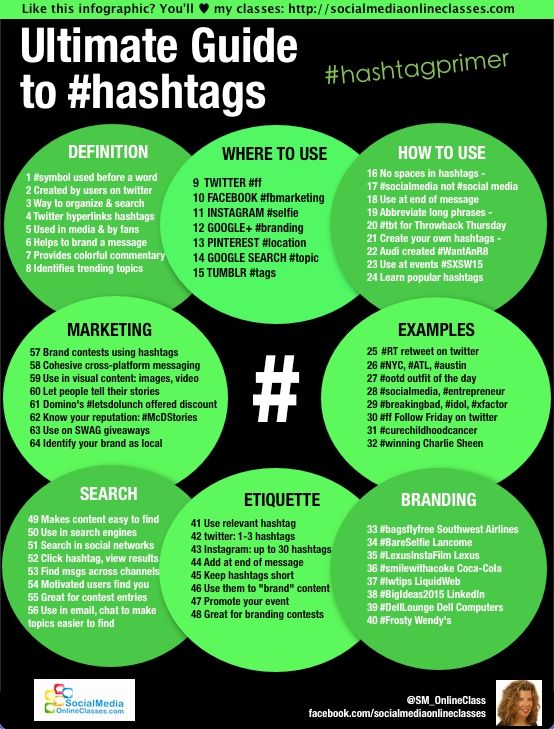 3. Be authentic
Instagram Stories are quirkier than feed content, so it’s a great place to showcase your fun side and get creative with Instagram marketing. Use images and videos to tell your brand’s story, throwing in some behind-the-scenes content when possible. In general, brands that are authentic do well on social media.
4. Go liveFor a deeper look at what Stories can do for your business, check out How to Use Instagram Stories for Marketing. Once you’re familiar with the basics, get inspired with 10 creative tips, tricks, and ideas for making standout Instagram Stories.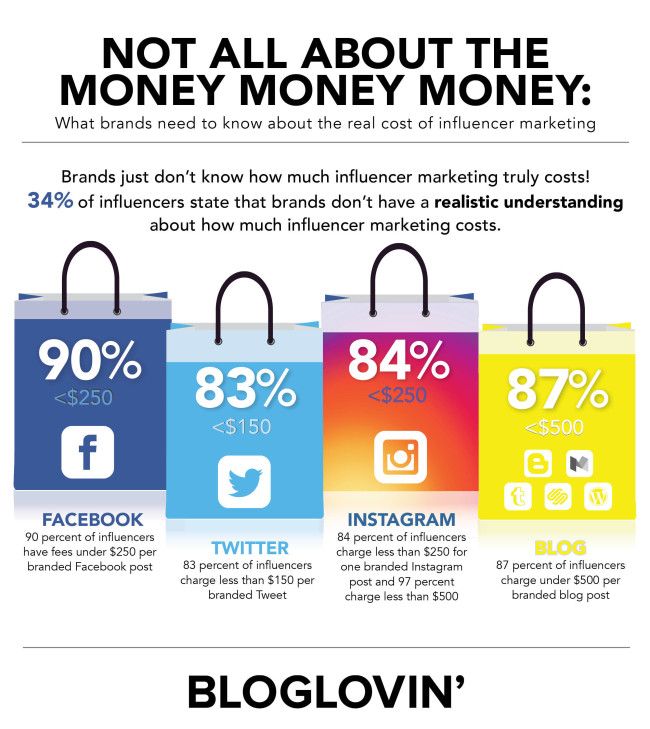
Originally, Instagram Stories disappeared after 24 hours, just like the Snapchat feature they were emulating. However, recognizing that this hampered ROI on that content, Instagram added the ability to keep Instagram Stories alive with Highlights.
Highlights live on profile pages, and you can add Stories after their 24 hours of glory have passed. You can create multiple Highlights for maximum effect, using one for user-generated content (“What You’ve Said”), one for brand storytelling (“About Us”), and one for events (“Conference 2021”). This helps users find content they’re looking for when they first come to your profile, which can help them get to know you and trust you a little faster.
To add Highlights to your profile, click on the icon with the black + above your gallery in your Instagram app.
You’ll need to name your Highlight and select the Stories you want to add to it. You can edit them at any time.
In addition to adding a link to your store in your Instagram bio, you can use Instagram Shopping to create an online shopping experience directly in your Instagram posts. Businesses can set up an Instagram shop complete with product detail pages, collections, and transaction support. Plus, product tags and product stickers let users tap on a product in a post or story, get more information, and head to the site to purchase it.
Once you set up an Instagram shop, you can take advantage of ecommerce features, including:
Shopify helps merchants incorporate this seamless shopping experience, enabling brands to tag products in posts and Stories, and potential customers to purchase them without leaving the platform.
This option isn’t just extremely convenient for users, increasing the likelihood they’ll actually convert: it also solves Instagram’s biggest marketing challenge of attaching links to a post that would make it easy for users to click and buy.
To make the deal even sweeter, it’s easy to set up the Instagram sales channel for your Shopify store.
Merchants also have the option to embed an Instagram gallery directly on their site or even a blog post, creating a full integration where you can show your Instagram feed and Instagram posts. This can encourage users to visit your Instagram, where they’ll see social proof and rave reviews, and be encouraged to purchase more through product tags.
Setting up on-site Instagram galleries is simple and fast, thanks to Shopify Apps like Instafeed and shoppable Instagram galleries.
Contests are a particularly popular Instagram strategy, and for good reason. They can yield great results because everyone loves the chance to win something.
Instagram contest rulesBefore you get started on your Instagram contest, it’s a good idea to do a quick refresher course on Instagram’s contest rules:
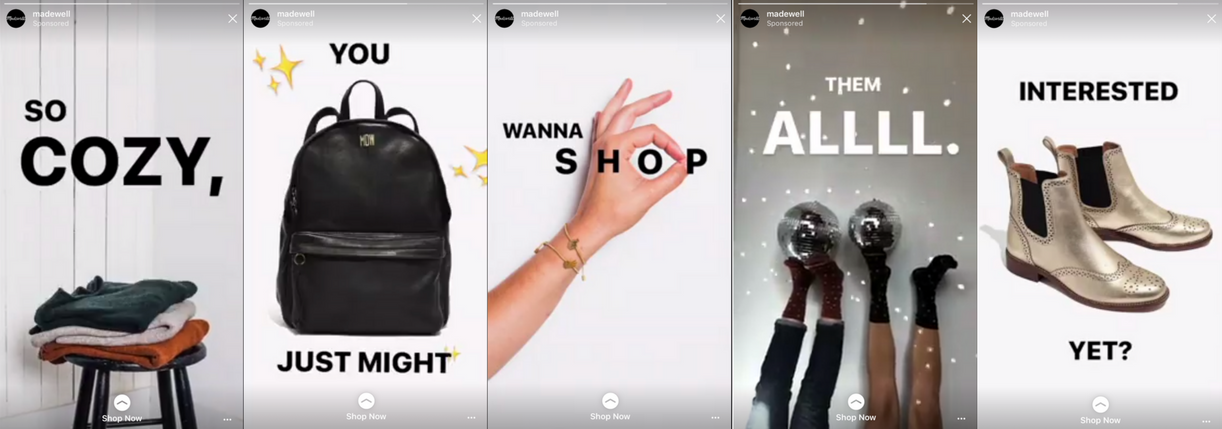
There are numerous types of contests you can run on your Instagram profile. Each offers its own unique benefits, and many merchants will overlap different contest concepts for maximized results and ROI. Get creative and run contests using a mix of Instagram posts and Instagram Stories to see what works.
Here are a few different ways to run contests on your Instagram business profile.
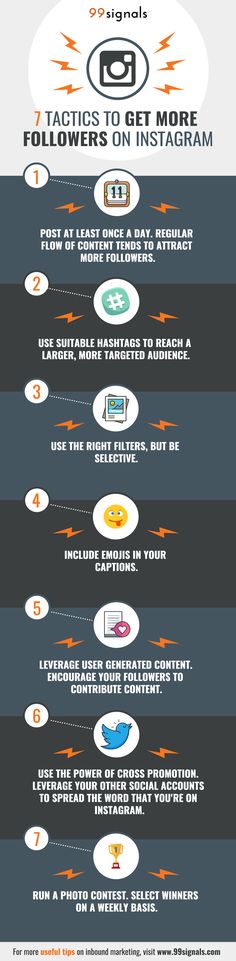
Before you get started on your contest, you should decide whether or not you want to use contest software, which has both pros and cons.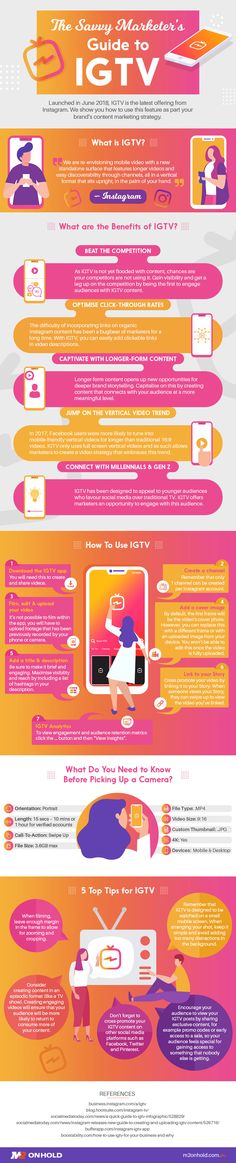
Contest software will cost extra money (typically somewhere around $30 to $50 per month) and takes more time to put together, due to the need for landing pages. This often means your contest won’t “live” natively on Instagram. Users also can’t comment directly on a post to enter: they’ll need to click on the link in your profile and engage there.
That said, there are big advantages to using contest software. It’s significantly easier to track participants and entries, making it much simpler to choose a winner. Some contest software can even choose a random winner for you. You can also get excellent analytics, often in real time, to see how your contest is measuring up to goals.
Finally, there’s more flexibility when using contest software. Do you want to add a voting component to the contest? Now you can. You can also obtain actual lead information, like users’ phone numbers or email addresses, thanks to the secure contest landing page. This gives you real, quantifiable lead information that can be used to nurture leads or retarget them with ads later.
If you decide contest software is right for you, try these services:
Read more: Instagram Tools: 21 Essential Apps for Growing Your Following
Facebook opened up the Messenger API for Instagram in June 2021 to make it possible for brands to use Instagram to create automated messaging. As we’ve discussed so far, Instagram has come a long way from being just a photo-sharing app. It’s a place where people discover and connect with brands.
Ninety percent of people on Instagram today follow at least one business, and messaging is a part of it. Whether it’s a direct message, a mention, or a Story reply, interacting with brands is appealing to customers and important for your business.
Instagram Automation by ManyChat is a tool that can help manage conversations from one place. Brands that use it can interact with potential customers across different entry points like Instagram feed, Stories, mentions, and DMs to follow up with people and respond to sales leads, all in one place.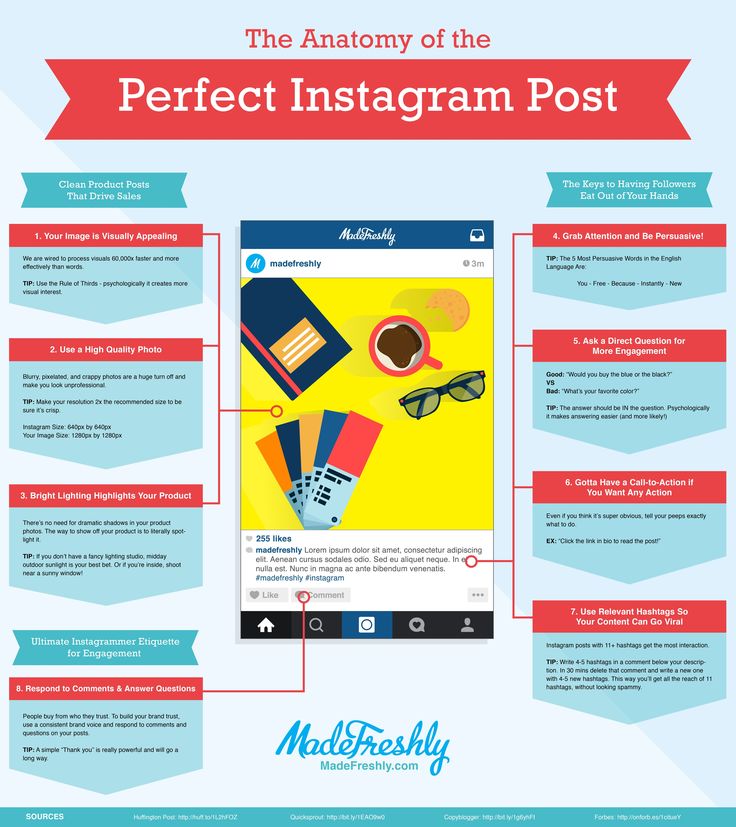
One popular automation feature is the Story Mention Trigger. When a user tags your Instagram business profile in a Story, you can automatically follow up with them in an Instagram DM. This makes customers feel valued, leads to higher retention rates, and helps you make money on Instagram.
Learn more by reading How OlimpiaHome Boosted Leads by 30% Using Instagram Automation.
Instagram’s big 2020 release was the introduction of Reels. Reels are 10- to 60-second videos in vertical format. They can be posted to your Instagram feed and have the chance to show up on the Explore page, where they could be seen by thousands of potential customers in your target audience.
Reels offer a unique opportunity to get your brand in front of an audience that isn’t following you yet. The more engaging your Reels are, the more likely the algorithm will show it to a wider group of people in their Instagram feed. This can help you grow more quickly on Instagram compared to traditional formats like feed posts or Stories.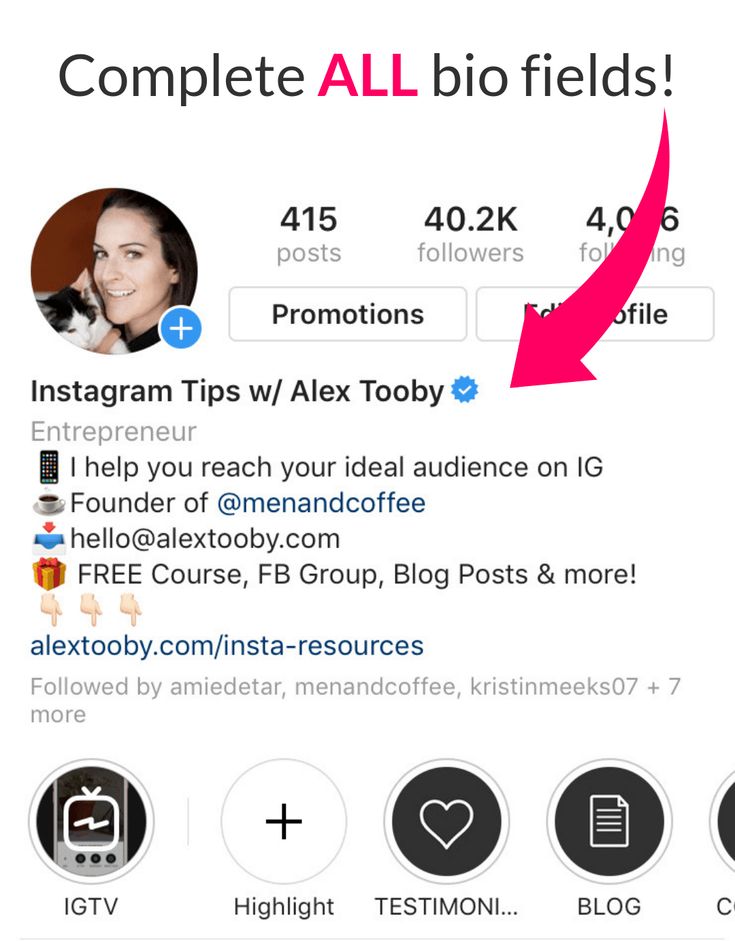 Reels should absolutely be a part of your Instagram marketing plan.
Reels are also a fun and personal way to get your audience to know you. It can be an opportunity to show off your personality and get creative. In general, people don’t expect overstyled or professionally produced content when watching Reels. Here you can use Instagram reels to connect with your audience in an easy and low-effort way.
Ecommerce brands can use Reels to:
The possibilities are endless. The best part? Reels take you five minutes to set up.
For more tips on using Reels, read How to Create and Use Instagram Reels for Your Store.
An Instagram influencer is a user who has a reputation around a specific niche on Instagram. Think of them as brand ambassadors for your business.
Instagram influencers have built highly engaged audiences that trust what they promote and will share your product with their audience in exchange for free products, experiences, or money.
A recent report by HypeAuditor found that, on average, you will get $4.87 in earned media value for each dollar you pay for influencer promotion on Instagram, which means you can get more return on investment from influencer marketing campaigns than traditional advertising.
Reaching out to influencers is really important for every new up-and-coming business that somebody wants to create. We realized really early on that micro-influencers were such an awesome way to create potential customers.
Lana Mushamel, co-founder of Twinkled T
Influencers come in many different follower counts, from nano-influencers (between 1,000 and 10,000 followers) to mega-influencers (over one million followers). You can find influencers charging from $25 per post all the way up to six figures. It depends on your budget. Even if you don't have a large amount to spend on Instagram marketing, you can generally find an influencer or two to test out for just a few hundred dollars.
Learn how to set up your first Instagram influencer campaign by reading How to Find and Work With Instagram Influencers.
Did you know that one-third of people buy directly from Instagram ads? Nearly eight in 10 of these shoppers have purchased from brands they are not even familiar with on the platform.
Instagram offers many types of shoppable ads that allow your target audience to buy right in the app. It also offers creators and entrepreneurs:
Much like Facebook ads, getting started with Instagram is easy. Set up your first ad today by reading How to Sell on Instagram: An Instagram Ads 2022 Guide.
From choosing your channels to figuring out what to post, fill in the blanks to think through how you can best use social media to meet your marketing goals.
Almost there: please enter your email below to gain instant access.
We'll also send you updates on new educational guides and success stories from the Shopify newsletter. We hate SPAM and promise to keep your email address safe.
When it comes to Instagram marketing, you’ll want to track your marketing strategy and results to see what works and what doesn’t. Fortunately, the platform has its own Instagram analytics tools that can give you an abundance of information about your performance. Note that analytics are available only for Instagram for business and can also be connected to your Facebook business page.
To access your analytics, go to your profile page and then click on the graph symbol in the top right-hand corner.
Under your Instagram Insights, you’ll be able to see important performance metrics like:
You'll also be able to see key information about your audience, including:
With Instagram Insights, you can see how your impressions, reach, and engagement are increasing or decreasing month to month, and how those stats hold up against a growing or shrinking follower count.
By comparing this information against top performing posts and analyzing their performance, you can detect trends and patterns that will help you make the marketing of your Instagram profile more effective.
In early 2021, Instagram also released Professional Dashboard for creators and businesses to track performance, discover different sales and marketing tools, and access educational materials curated by Instagram.
Source: InstagramRead more: Go Beyond Likes and Follows: How to Create a Social Media Strategy That Sells
Instagram is a must-use social media platform that ecommerce businesses and marketers should add to their marketing roster if they haven’t already. You can use Instagram to drive sales, build loyalty, and create a world-class customer experience.
Embrace Instagram fully by diving into its many features, posting different types of content regularly, and engaging with your audience. You may even be surprised by how quickly you see results come pouring in.
Illustration by Eugenia Mello
Instagram marketing refers to using Instagram to grow brand awareness and launch new products. Instagram allows creators and entrepreneurs to build their brands, personally connect with followers, and grow organically.
To get started with Instagram marketing, you’ll need to set up an Instagram Business account or Instagram Creator account. Begin by setting up a personal account, then follow the instructions above to create your business profile.
With shoppable Stories, Instagram shops, and in-app checkout, you can build an entire sales funnel on Instagram.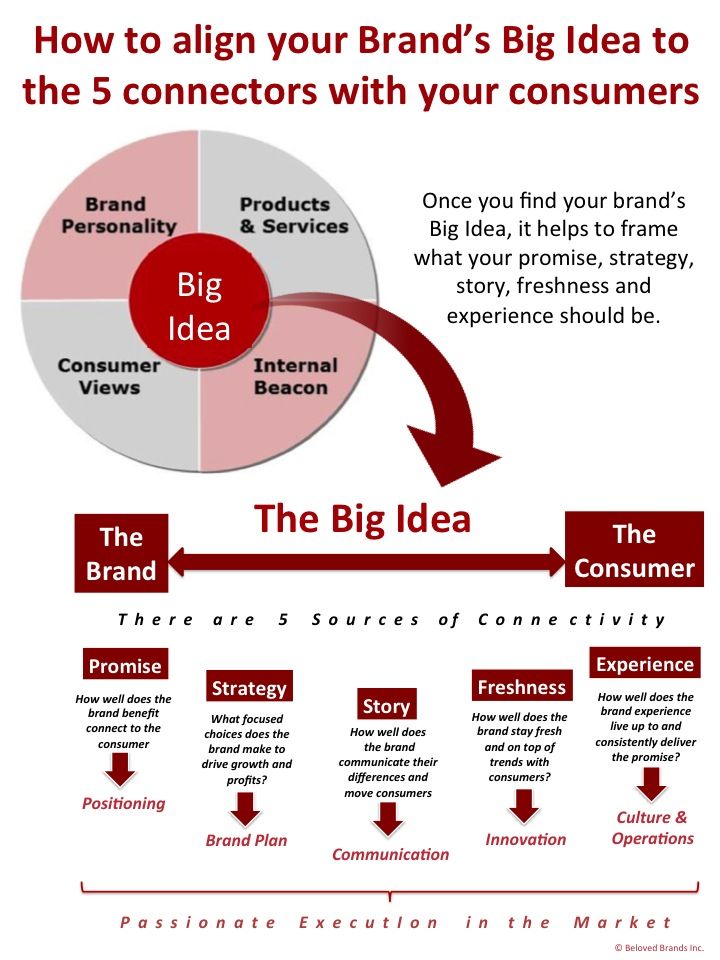 Look for ways to keep people interacting with your brand on Instagram, then prompt them with deals and shoppable posts to encourage sales.
Instagram marketing has become one of the most popular promotion strategies on social media. One billion people use the network every month (one in eight people on the whole planet), and 71% of users are under the age of 35. This channel is young, engaging, and highly-visual.
The massive size and visual-focus of Instagram can be off-putting for some brands that want to use the platform but don’t know where to start. Your brick-and-mortar business can have a successful Instagram marketing campaign if you put effort into what you post. Follow this guide to grow your following.
Don’t limit your Instagram presence to simple posts. Instagram stories have become increasingly popular and allow you to stay at the top of the page throughout the day.
There are multiple ways you can build stories into your marketing:
Even creating a well-designed graphic about a weekend discount can increase your Instagram engagement and be just as effective (if not more) than a static post.
Hashtags are how people find you on Instagram. People follow specific tags and search hashtags to see information. By using specific hashtags, you’re joining the community and becoming part of the conversation.
Instagram is a hashtag-heavy platform, and it’s okay to use several different tags and themes when you post. In fact, some studies have found that you can add more than 12 hashtags to your post without seeing drops in engagement.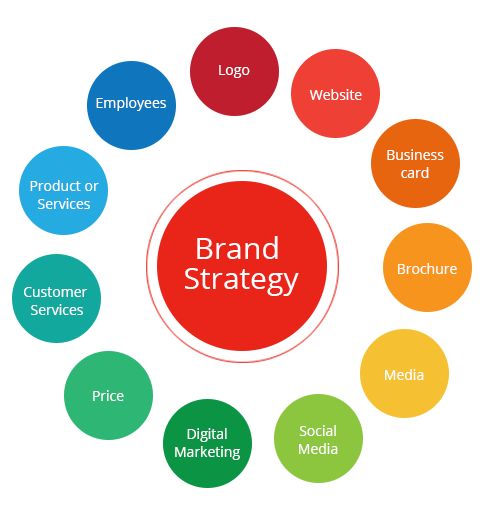 If you don’t want a paragraph of hashtags on your post, you can always leave a comment after you post with your relevant tags.
If you don’t know what to post, it’s okay. Tools like Hashtagify share word clouds of relevant tags that you can add to increase engagement.
Instagram users aren’t interested in just promotional pieces. They follow your brand because they like it and want to learn more about you. Fill this void!
Go behind the scenes at your business, share what makes you unique, and post about your staff. This makes your account more approachable and engaging than brands that just want customers to buy something with every post.
How do you expect to build a large following if you’re not following others in your community? Start by following a few other brands in your area that you like. For example, you can follow local non-profits, media outlets, and public figures.
Then, start tracking local hashtags. For example, if your brand is in Nashville, you can follow people from there who enjoy posting about the city. Many of these accounts will likely follow you back, allowing you to build relationships while growing your influence.
This is a simple tip, but it is effective. Tag your vendors, your partners, and your neighbors and give them shout outs from your account. If you get your produce from a local farm, tag that farm.
Not only will these accounts likely tag you back in the future, they can also share your post now so their fans can see your brand and follow you as well.
Instagram can be a valuable traffic driver to your brick-and-mortar business, but it can also bring people to your blog. Set up a couple of posts each month to promote your blog, and link to it on your profile page. Share an engaging image and describe what the content is about.
Pro Tip: You can track the effectiveness of these posts through Google Analytics, under Acquisition > Social > Overview.
This traffic can drive your other marketing efforts. With more people on your page, Google can pick up behavioral analytics like bounce rate and time on site. If these metrics are favorable, then you could see a rise in your SEO rankings.
If you have the budget to work with local influencers in your area, consider paying local bloggers, vloggers, and people with large followings to promote your brand.
They can recommend your products and visit your store, tagging you and encouraging others to visit. This is a great way to get in front of new audiences and tap into highly trustworthy word of mouth marketing.
Once your Instagram account starts growing, you can start to share fan content that people upload. Follow location tags for your business and your store hashtags to see if people are posting about your brand.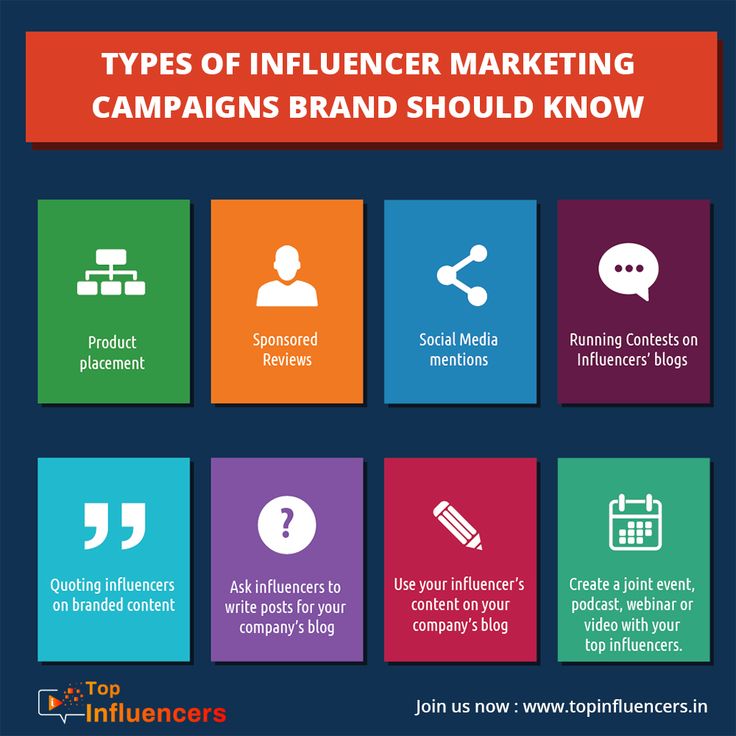
Share this user-generated content and tag your fans thanking them for the share. This is a great way to reward existing customers through Instagram marketing.
Why should your customers follow you on Instagram over any other social media channel? It’s up to you to give them a reason.
Post exclusive content that they wouldn’t see on Facebook or Twitter and share offers and promo items that are unique to this platform. These special offers also make it easy to track your social media success rate, as you can count the number of redeemed offers in-store. This will give you an idea for your Instagram conversion rate and overall value for the platform.
Social media is just as much about listening as it is about posting. Become part of the Instagram community. Let people know that there is a face behind your account, comment on other posts, make fun comments, and listen to others.
This will let you create a real presence online that people will be attracted to.
Your social media presence can drive customers into your brick-and-mortar business. It can grow your sales and make your company sustainable – you just need to know where to start.
Use these Instagram marketing tips to start building a presence for your brand on this popular platform. Then, take it one step further. Learn how to bring you online social media in your store.
Read our guide on how to integrate social media into the in-store experience to get tips on how to get customers and shoppers to find, follow, and engage with your social platforms while visiting your brick-and-mortar location.
Hello, future blogger, as I understand it, you decided to come to grips with your Instagram account, because the jungle of the Internet brought you here. Well, we all know what Instagram is and its standard tools, so we won’t call “waterdrop” and get straight to the point. Catch 30 tips for promoting a personal brand on Instagram.
65048 views
 Natural light is your best friend. On sunny days, photos even on a smartphone camera are clear and contrasting. Remember! High quality photos look much more attractive.
  Tag posts with your own hashtag to make it easier for your followers to navigate the topic.
  nine0010
  In my opinion, these are not the smartest actions, I highly do not recommend filming such things. Due to the confidence of the heroes of such stories, such videos are gaining millions of views. People love thrash content.
  Remember, you only have 60 seconds! nine0010
 Orfogrammka.ru
Service for checking the literacy of the text. Helps to calculate spelling and punctuation errors, as well as improve the style. For example, it offers synonyms and epithets for words.
Canva
With Canva, you can quickly and easily create social media images, presentations, posters and blog graphics. The service has ready-made layouts for all these types of images or the ability to assemble your own image from templates. All images are standard sizes. There is also a mobile application. nine0003
SMM Planner
The online service allows you to post to social media accounts in one place, with minimal time. You can set up automatic delayed posting in it
Google Alerts
Solves two problems at once. Firstly, with Google Alerts, you can monitor the topic of interest to you, and regularly receive collections with the latest mentions of it on the Internet by mail. Secondly, it allows you to track mentions of your company or even personality. nine0003
In the case of mention monitoring, you will not only know what is being said about you, but also use this data to manage your online reputation.
@text4instabot
Bot in telegram, thanks to which you can split text into paragraphs for Instagram.
AppForType
The application allows you to create collages and overlay text on photos. It helps in the first stages to create beautiful photos for Stories (I do not recommend posting posts with text over the picture in the feed). nine0003
FaceTune
The application allows you to quickly and efficiently process photos taken from your phone. The popularity of FaceTune is skyrocketing, as the output is really cool professional photos.
InShot
Video editor for creating videos for Instagram. The application allows you to overlay music on video and trim for publication in all popular social networks. Simple, fast, helpful.
VSCO
Photo editor with tons of beautiful filters. A couple of taps on the phone screen and the picture from the smartphone turns into a professionally processed photo.
Author: Anya Chernova
11/22/2021
The promoted personality of a business or blog owner is an added value of his company, products and services. Therefore, for those who have a strong personal brand, it is easier to sell more and more expensive. A couple more decades will pass, and everyone will have to think about creating a personal brand on Instagram.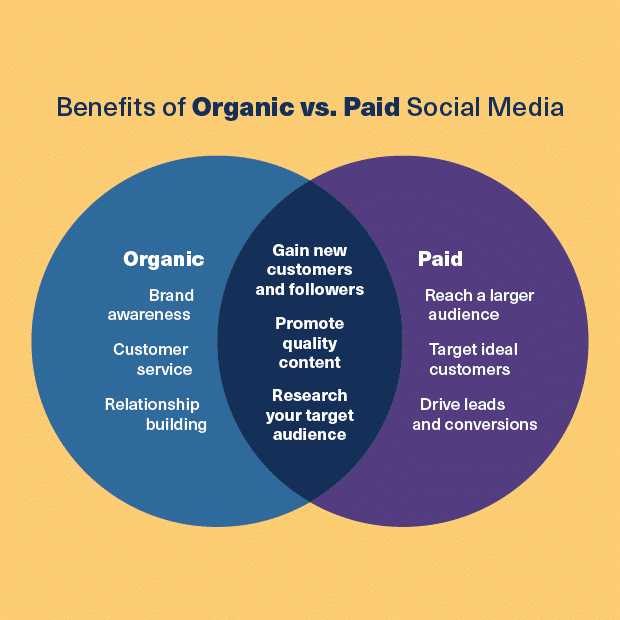 nine0010
More than 50 metrics for analyzing the effectiveness of Instagram promotion ------ will help you make the right decisions ------ based on data
More details account
on Instagram with clear conclusions and tips ------ how to promote your account
in social networks quickly and not forget anything in LiveDune.
Free ------ Express audit of your account: on Instagram
7 days free of charge
Personal brand is your information field, which is formed throughout your life. These are appearance, character, competencies, reputation, manner of speech, beliefs, values, emotions that you evoke. In a word, everything that you associate with people.
Social media personal branding can work for you or against you. For example, if a person is associated with irresponsibility or incompetence, we are unlikely to trust him and want to buy something from him.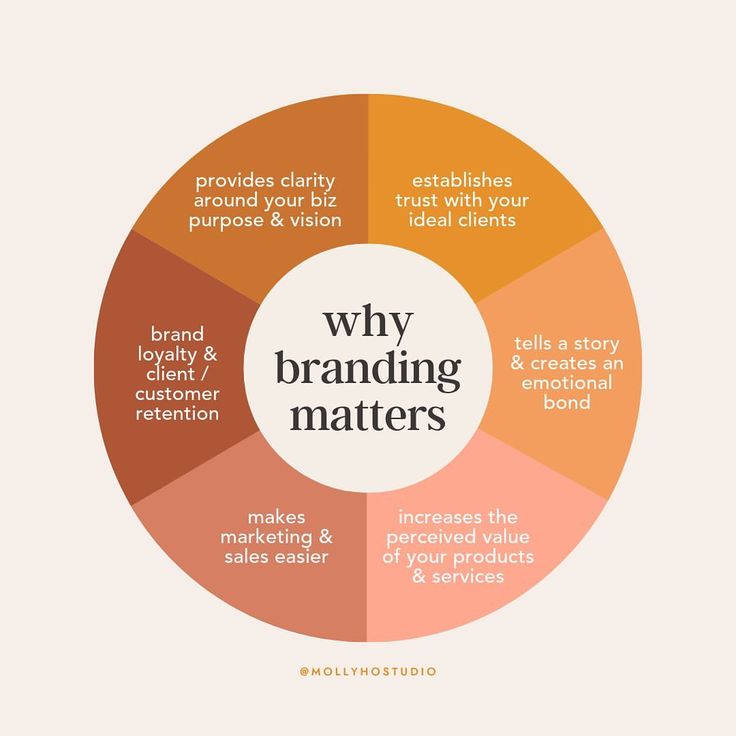 Therefore, it is important to strive to develop a strong personal brand. nine0003
Every person has a personal brand from birth, but not everyone can boast of a strong personal brand . But do not be upset, everyone has the potential of a strong personal brand, you just need to develop it.
A strong personal brand is the ability to influence people and inspire trust. A person with a strong personal brand is able to encourage the audience to make certain choices, take certain actions, change the worldview. Everyone has the potential for a strong personal brand. The main task is to unleash this potential and further regularly develop our expertise and competencies. nine0010
What makes a strong personal brand:
People quickly adapt to new marketing tools (a vivid example is imitation of discounts or retargeting), because of which brand confidence is lost, and positioning becomes impersonal. It is easier to develop trust and loyalty to a specific person than to a company, since the audience is more willing to communicate with a person. nine0010
Even with the same product quality, people are more likely to buy from someone they trust and whose name is well known. This applies not only to experts, trainers and entrepreneurs, but also to large companies. Elon Musk, Steve Jobs, Pavel Durov and Oleg Tinkov can be vivid examples of promoting a business through a strong personal brand.
It is a big misconception that only public people (politicians, athletes, artists, etc.) need a strong personal brand. Almost every entrepreneur needs to develop a strong personal brand. Except, for example, the owner of a shawarma somewhere near the airport. First of all, a strong personal brand is needed by people who are engaged in the promotion of intellectual services (for example, SMM promotion, SEO audit, legal advice, etc.), personal activities, most often individual projects of bloggers and expensive products.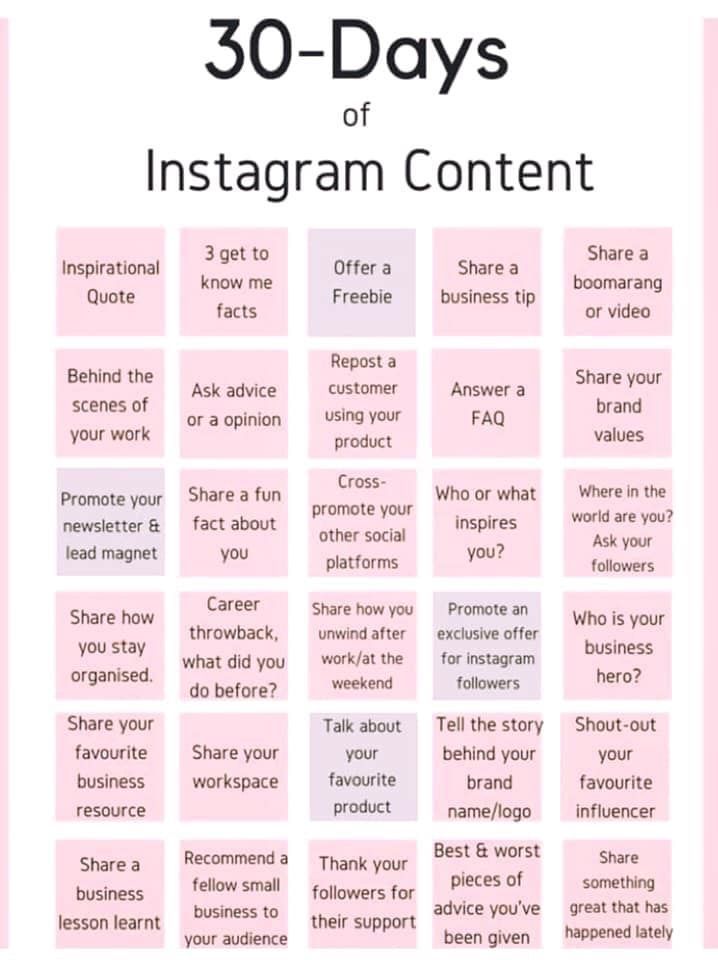 nine0003
Promotion through a personal brand has its downsides. For example, constant publicity and responsibility for the reputation of a personal brand, spoiling which can greatly harm your business.
A strong personal brand does not have to be a fake image of a person created just for marketing purposes. It is important to be real everywhere – online and in real meetings.
That's when people will start to be interested in you, and after a while your name will be associated with the services/products you sell. nine0003
The positioning of a personal brand must necessarily resonate with the goals and ideas of your company. Before moving on to the steps to building a strong personal brand, take a piece of paper and write down at least 5 goals that your personal brand will help you achieve. For example, to increase your status as an expert and thereby increase income from educational products.
And now let's look at the main stages of building a personal brand.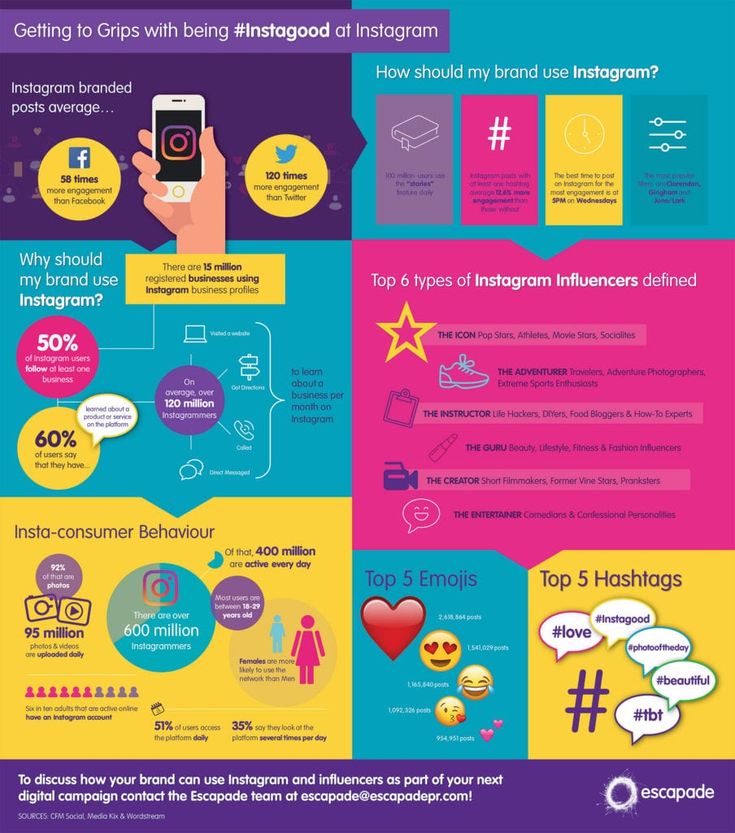 By answering the questions at each stage, it will be easier for you to form your strong personal brand and main content topics. nine0010
Each of us has the makings of a strong personal brand, it is important to develop this potential. This is a long and laborious process associated with painstaking work on oneself. First, you need to invest time and effort in obtaining certain skills and professionalism in order to become an expert. Without the status of an expert, you can quickly ruin your reputation, which will take a lot of time and effort to restore. And only after that start building a personal brand. nine0003
Self-identification . Describe your interests, desires, beliefs - personal qualities that you will broadcast with the help of content.
For example, I like that all issues are resolved fairly; I am not late and do not like it when others are late; I enjoy rock climbing and snowboarding.
Definition of expertise. To get an idea of what topics will be key to your blog, list the areas in which you have expertise. nine0003
External image matching analysis. After you have formulated the ideas that you want to broadcast, check how your current appearance matches them. Evaluate your own ideas about yourself (appearance, character traits, professional competence, social status, environment, self-confidence), and then compare with feedback from friends, acquaintances and colleagues.
For example, if you are a fitness expert, then your body should motivate the audience to look the same. In this example, a good figure is also proof that your products are working (social proff). nine0250
Formation of USP (unique selling proposition). Your USP is the answer to the question why you are the best in your field and in what cases customers can turn to you, and not to competitors.
The main channel through which people can get to know you quickly and easily is Instagram. Therefore, you need to promote a strong personal brand exactly there: you can directly interact with your audience through a combination of photos, videos and text; form the necessary idea of yourself and your level of expertise. Therefore, 80% of the promotion of a strong personal brand will depend on content. nine0003
Start by creating an account, and then start generating content. Recommendations for creating an account on Instagram are described in a separate article - “How to design a profile header?”. And a selection of free and paid methods for promoting your Instagram account in this article is “How to promote Instagram on your own?”.
Content for a personal brand
A personal brand is broadcast through self-presentation (everything that you show and tell about yourself), that is, through content. And it is with content that you will have to work most of the time to build your personal brand on Instagram. nine0010
The main task in creating a personal brand on Instagram is to convey not only expertise, but also personal qualities. People want to form an opinion about you not only as an expert, but also as a person. This can include your review of the film, a story about your professional ups and downs, summing up the results of the week / month, and so on. But you should not broadcast your personal life, for example, a story about parting with your soulmate or something like that will be superfluous.
In order not to end up in a situation where there is nothing to publish - do not tie a blog on one topic, as its resource may sooner or later run out. And if you stop writing on the central topic, you can lose most of the audience. It is more practical to write about 5-7 topics. If necessary, you can painlessly abandon 1-2 topics and gradually introduce new ones. In this way, you will retain a large part of the audience, losing the interest of only a small proportion of subscribers. nine0003
But even when you find topics that engage your subscribers well, keep testing new ones. You have to be interesting to the audience, like a series. And if the series is boring, boring and predictable, interest in it begins to disappear.
To track the performance of topics, use LiveDune's category analysis.
| Analyze categories |
The same goes for the tone of your posts: if you write only useful expert information all the time, sooner or later you will bore your subscribers; only positive posts - you will begin to annoy subscribers. Therefore, in order to keep the engagement of subscribers in good shape, it is necessary to mix positive (nostalgia, joy), useful (instructions, tips, collections) and negative posts (sadness, anger, sadness, resentment, pain). That is, to form an emotional "swing". nine0003
Developing a strong personal brand is the most profitable investment of resources that will bring results and work for you for many years. A strong personal brand helps not only to become a blogger or increase company sales, but also to get a job. Considering that in a couple of decades everyone will have to think about a strong personal brand, do not waste time and start developing it now.
Only important news in the monthly newsletter
By clicking on the button, you consent to the processing of personal data.
What's new in SMM?
Subscribe now and get an Instagram account audit guide
Popular articles
≈ 9 min to read decrease exponentially.
#instagram 10.07.2019
How to make money from your blog on Instagram
Let's look at several ways to monetize your blog on Instagram, and tell you what indicators brands pay attention to when choosing a blogger for cooperation.
#instagram 01.07.2019
Polls in stories Instagram
How to create a poll in stories, what to ask subscribers and what is the use of conducting such an interactive.
≈ 20 min to read 02/14/2019
How to promote your Instagram account for free: step by step instructions
There are no magic tools in the article to quickly promote your Instagram account. But there are recommendations where to start and how to analyze the effectiveness, what methods can be used to promote an account, and which ones should be abandoned.
LiveDune marketing products - 7 days free
Our products help you optimize your social media experience and improve your accounts with the help of deep analytics
Analyze your own and other people's accounts by 50+ metrics in 6 social networks.