By
Pranay Parab
Comments (4)Alerts
We may earn a commission from links on this page.
Photo: ALEX_UGALEK (Shutterstock)
Instagram has been through so many changes, it’s hard to remember what is truly private on your account and what’s not. As a Meta product, though, Instagram isn’t known to respect your data, so the most “privacy-friendly” option would be to delete your account entirely. If you’re not willing to go that far, though, the next best step is to make your Instagram account as private as it can possibly be.
As a rule of thumb, you should not use browsers built into other apps. The in-app browsers used by Instagram and TikTok are terrible for your privacy. If you often click on various links in people’s Instagram bios, you should consider clearing your Instagram browsing history.
To start, click any link inside the Instagram app to launch the in-app browser. Now click the three dots in the top-right corner and select Browser settings. Tap the Clear button next to “Browsing data,” and Instagram will erase your browsing history.
Once you’re done with this, consider deleting the Instagram app and try using the service on a mobile browser such as Chrome or Safari. That’s far more privacy friendly than using the app (although you’ll miss out on some features). This also protects you from other privacy issues, such as giving the app access to your entire photo library, contacts, and other data.
You should also stop Instagram from tracking your activity across the internet. The easiest way to do so is on your iPhone. Go to Settings > Privacy > Tracking and disable Allow Apps to Request to Track. Apple now forces all apps to ask to track you, but if you turn off the ability to ask, the tracking is denied by default.
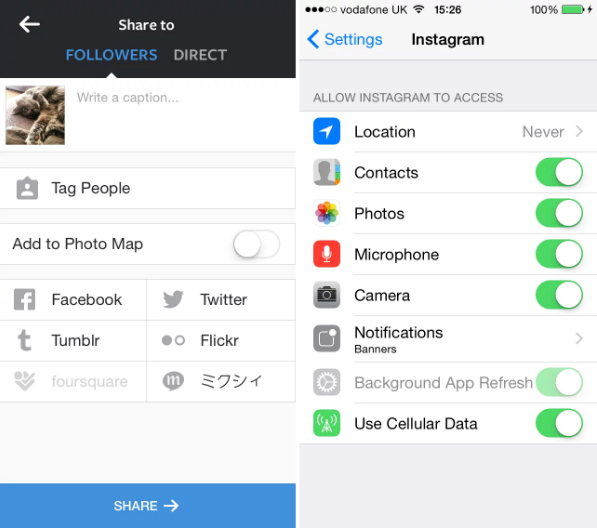
You can also reevaluate how much data access Instagram really needs. For simply keeping up with friends, family, and your favorite accounts, the app works perfectly fine if you don’t give it access to your microphone, camera, location, photos, contacts, and the rest of your entire bio data.
How much you limit Instagram’s permissions is up to you and the way you use the app. To start, go to Settings > Privacy on your smartphone and check which permissions Instagram really needs. Unless you’re a content creator whose livelihood depends on Instagram, you might find you can actually revoke access to a whole bunch of things.
Consider stopping Instagram from accessing your contacts and photos at the very least. You don’t need to share contact information with Instagram, and, on iPhone, you can always go to the Photos app and use the share icon to post photos and videos to Instagram. If that’s too inconvenient, consider choosing to share only selected photos with Instagram, rather granting permission to all photos. That way, you get to choose exactly which photos and videos Instagram has access to, which will usually only be the ones you’re uploading. This feature is available on iPhone, as well as Android 13.
If you want to continue sharing your location with Instagram, you can still revoke its access to your precise location to make it harder to track you. On your iPhone, go to Settings > Privacy > Location Services > Instagram, and disable Precise Location.
It’s also a good idea to clear the list of accounts you’ve recently searched for on Instagram. This won’t really hide this information from Instagram or Facebook, but it does keep your search history away from prying eyes around you. To do this, open Instagram and click the magnifying glass icon in the bottom bar. Tap the See All button below the search bar, then tap Clear All in the top-right corner.
It’s a good idea to stop strangers from tagging or messaging you on Instagram.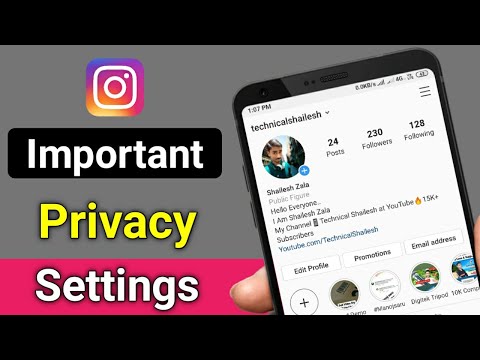 This stops accounts from spamming or harassing you. Tap the profile icon in the bottom-right corner, then tap the hamburger menu in the top-right corner and select Settings. Go to Privacy > Messages. Select Others on Instagram and set this to Don’t receive requests to stop strangers from pinging you. On the previous page, you can also select People on Facebook, and Your followers on Instagram, and choose if you want to receive message requests from them.
Be aware that these settings do not impact your friends. As long as you and the other person follow each other, you’ll be able to message each other without problems.
You can hide your online status on Instagram pretty easily. To do so, go to Instagram settings, then Privacy > Activity Status. Turn off Show Activity Status for better privacy.
If you have a public account on Instagram, all of your content can be used by anyone for their Remixes. This feature lets people use your photos, videos, and Reels for their own videos. To disable this, go to Instagram settings, then Privacy > Reels and Remix. Turn off every option on this page to stop others from using your content. Note that this option will not show up if you have a private account on Instagram.
Last but not the least, you should enable two-factor authentication to keep your Instagram account secure. That way, if someone figures out your account’s password, they still won’t be able to break in without the unique 2FA code only you have access to. Go to Instagram settings > Security > Two-factor authentication. Select Authentication app and use apps such as 1Password, Google Authenticator, or Authy to receive one-time login codes.
/
By Jacob Kastrenakes / @jake_k
|
Illustration by Alex Castro / The Verge
Part of /
The Verge Guide to Instagram
My Instagram profile probably reveals more personal details about me than any other social network page. As a result, I started to get creeped out after I realized just how many people were following me I didn’t actually know.
Locking down your privacy on Instagram can be as simple as setting your profile to “private.” But you can get a lot more granular than that, and there is a range of other protections you can put in place. You can keep your account public but make it a little more protected, or even add stricter protections than simply flipping the private profile switch gives you.
If you really want to keep your account safe, here’s what you can do.
Setting your account to private is the simplest thing you can do to lock down your profile.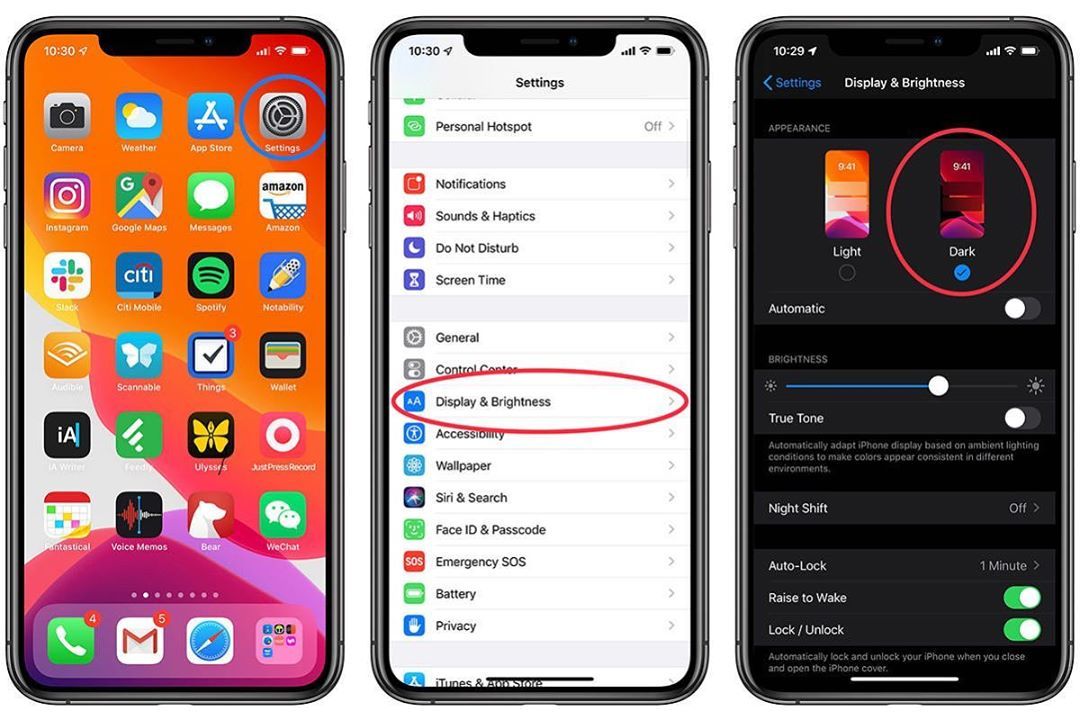 It means that, going forward, no one can see your photos or stories unless you approve them.
Once your account is private, new people who visit your profile will only see your name and profile image. From there, they can request to follow you, and you have to confirm their request before they can see your photos or stories.
To set your account to private:
One important caveat: anyone who already follows you at the time you change your account to private will still be following you. That means if there’s anyone you want to deny access to, you have to remove them from your followers list.
To remove someone who’s following you:
Instagram lets you limit who sees your stories (the reel of images that disappear after 24 hours) and stop people from sharing them even further.
To hide your story from specific people:
You can also prevent people from sharing your story:
Finally, you can use Instagram’s Close Friends feature to limit the reach of your stories to specific people.
 People won’t be notified when they’re added (or removed) from this group.
When it comes to protecting the photos and videos posted to your feed, it’s much more of an all-or-nothing scenario than it is with stories.
If you don’t want to go private, you can still block individual users:
Note: you can also restrict people from this menu. If you restrict them, they can still see your content, but their comments will only appear to you, and they won’t be able to see when you’re online.
There are a few things you can do to make yourself a little bit harder to find (and give out less information about yourself in the process).
First, you can stop sending your contacts to Instagram. You might have given Instagram access to your contacts initially to help find your friends when signing up, but it means that Instagram knows who’s in your phone book. To turn it off:
You can also stop Instagram from suggesting your account to others. This happens when someone follows a new account: Instagram will then display accounts it believes are “similar,” which you could be grouped into. You can’t change this using your mobile app. To turn this off:
Finally, it’s worth checking to see whether any of your Instagram posts come up in a Google search. By default, Instagram doesn’t let Google find your photos, but if you ever signed into a third-party web viewer (and you might have in the years before Instagram was available on the web), it’s possible that site is scraping your profile and posting it for all to see.
If one or more of your posts does come up in your search, the first step to getting rid of it is to cut off third-party apps’ access to your Instagram account. You can do that on the mobile app:
You can drill down even further in limiting what in your account is visible to other people.
One big thing you can do is turn off your activity status so people can’t see when you’re online. (Be aware that, if you disable this, you won’t be able to see when other people are online either.)
You might also want to review tagged photos before they’re posted to your profile. If you have a public account, reviewing every tag can stop spammers from filling up your profile. And if you have a private account, this can stop your friends from sticking an unflattering picture on your profile. To do this:
You may not actually want to save the photos and videos you post to Instagram, especially your disappearing stories. There are a couple of things you can do to stop that.
To stop your stories from being saved:
If you also want to keep your feed posts inside of Instagram:
This will prevent the posts from being stored locally on your phone, but it also means that your only copy will be on Instagram.
Instagram ads are based on websites you visit and apps you use. If you want to put a stop to this, it’s a little bit trickier. You actually have to hop over to Facebook, which owns Instagram.
To disable ad personalization, you first need to go to Facebook’s ad settings.
Most Popular
Social network accounts, especially popular ones, are a tasty morsel for attackers. And it is easiest to hack what is poorly protected. Therefore, we regularly remind you that it is worth taking care of the security of your accounts, as far as social networks allow it.
Unfortunately, security and privacy settings are often difficult to understand. Moreover, developers change them from time to time. For example, Instagram settings have recently been updated. We tell you what is useful in them and where to look for this useful. nine0003
New Instagram settings allow you to even more securely protect against unauthorized account login and identity theft.
To find your security settings:
Where to find the security settings in the Instagram app
The first rule of security for any account is to set a good, long, unique password. Attackers will not be able to quickly pick it up and will not find it in the databases that they managed to steal from other sites, which means they will not be able to hack into your account. At least, if you do not give out your password yourself or it does not leak from the social network itself.
Turn on two-factor authentication to ensure that your password is leaked. Every time someone tries to log in on a new device on your behalf, the social network will request a one-time code from SMS or from a special application. Thus, you will always be aware of login attempts, and it will be impossible to hack your account without knowing the code. nine0003
To enable two-factor authentication:
How to set up two-factor authentication in the Instagram app
An added bonus - after enabling this feature, the social network will give you backup codes . They will help you log into your profile if you don’t have a phone at hand that should receive SMS or on which an application for generating one-time codes is installed (yes, you can do this too - see this post for more details). Write down the backup codes and keep in a safe place.
Instagram developers figured out how to protect their users from phishing via email. Now in the application settings you can see what letters the social network has sent you over the past two weeks. If you received a letter supposedly from Instagram, but it is not in the application, you can safely send it to spam. nine0003
To see which social media notifications are real:
How to check in the app if you received a real email from Instagram
Another source of danger is third-party sites and apps. They are connected to expand the capabilities of the social network, for example, add photo filters or convenient marketing tools. However, if such an application is hacked or its authors are dishonest, your account can be used for criminal purposes. You can view the list of connected applications and sites and remove everything superfluous in the same section Security , in block Applications and websites .
Where can I find the list of apps connected to Instagram
Instagram allows you not only to keep your profile safe, but also to restrict access to your photos, videos, stories and other data. You can hide personal content from prying eyes, save yourself and friends from offensive comments, and prevent subscribers from sharing your stories and posts with others. For this:
Where to find the privacy settings in the Instagram app
If Instagram is not a promotion site for you, but a place to share pictures and videos with friends, you can make your account private:
How to close your Instagram account
Now only followers you have approved will see your posts and stories. True, there are some nuances. Firstly, everyone who managed to subscribe to you before is automatically considered approved by the social network. If you do not agree with it, then you need to do this:
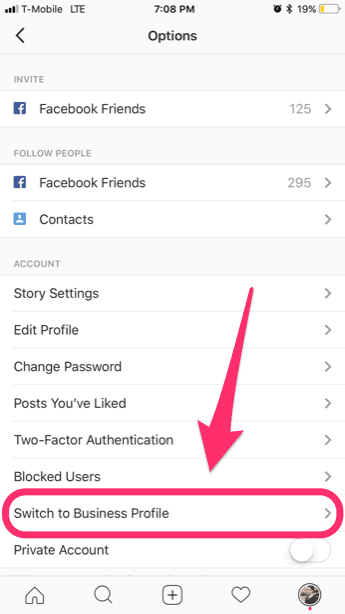
How to edit your Instagram followers list
Secondly, if you repost an Instagram photo to another social network, it will be seen by everyone who can see your posts on that social network. So if you do this often, don't forget to set up privacy on other social networks as well.
If you are an insta-blogger and it is not convenient for you to close your account, you can control access to specific content. For example, Instagram allows you to hide stories from individual users, publish some of them only to your list of close friends, and limit or even turn off the ability to respond to them. All this is done in section Privacy in block History . There you can also prevent readers from sharing your stories in messages and showing your posts in their stories. nine0003
How to control who sees your Instagram stories
To protect yourself and your followers from abuse and spam, you can automatically hide inappropriate comments using Instagram filters or your own. You can configure this in section Privacy , in block Comments . There you can also prevent especially gifted spammers from commenting on your photos and videos.
How to get rid of spam comments on Instagram
The social network allows you to prevent outsiders from writing you private messages and adding you to groups. If you are annoyed by spam in direct or you think that messages are your private space, open in section Privacy block Messages and select Only people you follow for both items.
How to get rid of spam in direct and adding to the left groups on Instagram
If you don't want your readers to know when you're online, you can hide your online status from them. To do this, select in section Privacy item Network status and deactivate the switch. True, after that you will also not be able to see information about the activity of other users.
How to hide your online status on Instagram
Finally, spammers and other annoying readers can be blocked or restricted from accessing your account. To do this, click on the objectionable profile three dots in the upper right corner and select Block or Restrict access .
How to block or restrict someone from accessing your Instagram
Restricted account holders will still be able to view your photos and videos and even leave comments on them, but only you and the author will see these comments. nine0003
You can also put the user in silent mode if you are tired of his stories and posts in the feed. This can also be done in his profile:
Setting the Instagram user to silent mode
Your friend will not know anything about it, and you can take a break from the flurry of his photos and look at them only when you are in the mood - his profile will remain visible to you. nine0003
Instagram, like any social network, by default sends more notifications than you need. To avoid annoying pop-up notifications that one of your friends has posted a photo for the first time in a long time, you can turn them off. To do this:
How to remove unnecessary push notifications in the Instagram app
Now you know how to protect your Instagram account and can customize it the way you want. It's time to remember about your accounts in other social networks. Here's what the security and privacy settings look like on Vkontakte, Facebook, Odnoklassniki, and Twitter. nine0003
Hide your posts and stories from prying eyes.
Your profile on Instagram probably contains more personal information about you than any other page on the social network. The number of people following your stories and posts can be really intimidating.
If you still decide to use Instagram, then you can't hide from the eyes of Facebook, but you can try from curious strangers. nine0003
Hide your private life on Instagram is easy enough: change your profile type to private . However, there are a number of additional options to help you stay private. You can even keep your account open by tweaking your profile settings a bit.
Sit back and get ready to explore useful options in your Instagram privacy settings.
Surely the first thing that comes to mind. A closed account is the easiest way make your profile private . Be sure that after changing the page type, no one else will be able to view your posts and stories. Of course, if you do not allow it to be done.
Once your account is closed, users who visit your page for the first time will only see your name and profile picture. They will also be able to submit a request to follow you. Only after you confirm this request, new followers will see your photos, videos and stories. nine0003
To make your account private:
 Click on the gear at the very bottom to open the settings.
 An important point: anyone who is already following you at the moment you change your account type to private will still be able to follow you. This means that if you want to block access to information about you to a certain person, you need to remove him from your list of subscribers. nine0003
To remove a specific person from your followers:
Instagram allows you to limit the number of people who can see your stories, as well as prevent users from sharing them with others.
To hide your stories from specific people:
You can also prevent people from sharing your stories with others:
Alternatively, you can use Instagram's " Close Friends " feature to allow only specific people to view your story:
When you want to hide photos and videos posted on your page, you have to act more drastically than in the case of stories.
If you don't want to make your account private, you can block individual users:
Note : You can also restrict access to a specific user in the same menu. If you do this, they will still be able to view your posts and photos, but the person's comments will only be visible to you. Moreover, the chat with this user will be moved to chat requests, so he will not be able to understand if you have read his message.
There are several ways to make your account harder to find.
First, you can prevent your phone from sharing contacts with Instagram. Usually, the application asks you to provide access to the phone book to help you find friends when you sign up for a social network. However, this also means that Instagram knows what numbers your contacts have.
To prevent Instagram from viewing your phonebook:
You can also prevent Instagram from recommending your account to other users . This often happens if a person monitors the emergence of new users on a social network. Instagram recommends accounts that are similar to each other or have a large number of joint followings. This feature cannot be disabled in the mobile app. To do this:
Finally, it's worth checking if one of your posts can be found in Google search. Instagram doesn't allow Google to show your photos by default, but if you've ever logged in to sites using the credentials of a page of this social network, it's possible that information about you is quite easy to find on the Internet. nine0003
If one or more of your posts do show up in searches, you need to prevent third-party apps from accessing your account. You can do this by opening the mobile app:
You can also prevent other users from following your activity on Instagram.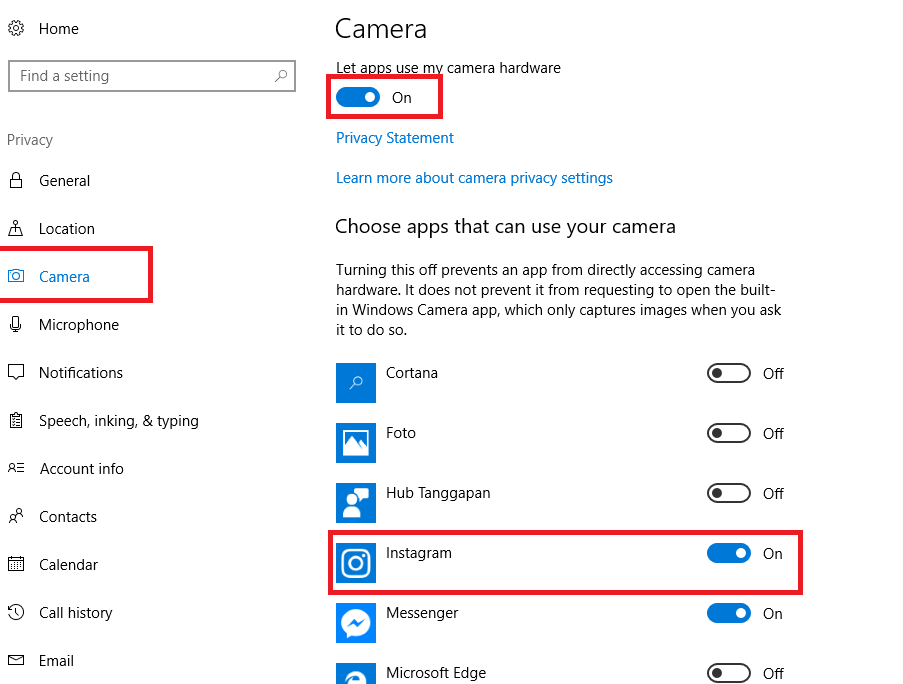
Turn off your online status so people can't see when you're online. Keep in mind that if you turn off this feature, you yourself will not be able to see when other users are online.
You can view your tagged photos and videos before they appear on your profile. If you have a public account, checking and verifying each tag will prevent spammers from attacking your profile. If you have a private account, it will help save your reputation if one of your friends posts a provocative photo and tags you. To take control of photos you've been tagged in:
You may no longer want to save the photos and videos you post on Instagram (especially Stories). There are several settings to help you do this:
If you don't want to save your published posts either:
This will prevent photos and videos from being stored locally on your phone, their only copy will be on Instagram.
Your Instagram ads depend on the websites you visit and the apps you use. If you want to prevent personalized ads from showing, you will have to go to Facebook: