By Justin Oyaro . 5 August 2022
Cybersecurity Expert
3 Comments
In this guide, you will learn various methods that unblock Instagram at school.
Quick Summary
Social media websites such as Instagram are inaccessible via school Wi-Fi. These sites distract students from schoolwork. However, during breaks, Instagram can be a great way to catch up with the world. You can also use it to share your art projects.
Here are methods you can use to unblock Instagram at school:
A VPN creates secure connections over the internet. It masks your IP address and routes internet traffic through a VPN server.
It also encrypts your connection; no one will eavesdrop on your online activities. Third parties and prying eyes, such as your school’s firewall, will only see the VPN’s server IP address.
This VPN mechanism allows you to bypass restrictions and unblock websites such as Instagram. You can also access geo-restricted content.
If your school’s firewall blocks VPN traffic, you can use the VPN’s obfuscation feature. This feature offers stealth VPN connections.
A VPN can also enhance your security by using features such as split tunneling and a kill switch.
Additionally, you can switch through various VPN protocols to get the one that works.
Advantages of using a VPN provider
Disadvantages of using VPNs

Some of the best VPNs have several different features such as kill switch, double VPN and Onion over VPN.
A proxy server creates connections to the internet on your behalf. When you connect to a proxy server, the server relays your internet traffic to and from the destination.
It will look like you are only communicating with the proxy. Hence you will get to access blocked content without restrictions.
Website proxy servers won’t be able to unblock Instagram. To unblock Instagram at school, use premium proxy servers. Ensure you get a hostname (IP address), port number, or page address.
Moreover, premium proxy servers offer encryption, and they are not congested.
Windows 10
Here is how to set up the proxy server using a proxy script address . pac:
pac:
Here is how to manually set up a proxy server using the IP address and port number:
Mac

Android
iOS
If the school computers have system restrictions, set the proxy server in Firefox as follows.
For manual configuration, select Manual proxy configuration.
Choose the type of proxy, then enter the IP address and port number.
If you have the pac address, select Automatic proxy configuration URL, and enter it.
Advantages of Using proxies
Disadvantages of Using proxies
Domain Name System (DNS) maps websites to their corresponding IP addresses. A DNS server facilitates the mapping by looking up the IP addresses in various DNS databases. These databases are distributed around the internet.
You can bypass domain name filtering on Instagram by using a custom DNS. If no other blocks are used, the new DNS will bypass the domain name filtering mechanism, and you will access Instagram. To increase your chances of bypassing the filter, you need a Smart DNS.
A Smart DNS encrypts and routes your DNS queries through its servers. However, your internet traffic is not encrypted, and your IP address remains unchanged. This implementation allows a Smart DNS to access geo-restricted and blocked content.
To be able to unblock Instagram as well as other social media sites, use premium Smart DNS providers.
Windows 10

Macs
Linux
School computers may not allow system changes due to restrictions.
Android

iOS
Advantages of Using the Smart DNS
Disadvantages of Using the alternate DNS

The above methods will allow you to unblock Instagram at your school. Depending on the blocking mechanism, you must try each technique to get what works for you.
You can do several different things with VPNs online, such as unblocking YouTube videos and unblocking Netflix. You can also use a Roobet VPN to play Roobet in the US or to watch ITV in the USA.
Some people found answers to these questions helpful
Can you use TOR to unblock Instagram at school?
Yes, you can use TOR to unblock Instagram at school. If you’re using your phone or computer, then by using the TOR browser, you can access the Instagram web app even if your school’s wifi has blocked it. You can also use TOR on a school computer if you are allowed to install apps on school computers.
How do you unblock apps on a school Chromebook?
A VPN will help you unblock apps from a school Chromebook. If you are allowed to install apps on your school computer, then you can directly install a VPN app. If this is not possible, then a VPN browser extension will work.
Which VPN is best for unblocking Instagram at school?
Most premium VPNs will work. We recommend ExpressVPN. If you want a cheaper alternative, then SurfShark is a great choice. Free VPNs will not work because they never switch servers, and most school networks have those already banned.
Tech and Cybersecurity Expert Justin is a cybersecurity expert with over 5 years of experience that stretches across various technological realms. He is a valued expert in cybersecurity, Cord-cutting, Cryptocurrency, Smartphones, How-tos and other related fields. Justin has written authoritative content for multiple Cybersecurity websites and blogs on matters regarding privacy and security. He also does pen test on tech products such as smartphone applications and websites. When he is not writing, Justin spends most of his time on the latest tech trends and Android Studio. Justin is also a degree holder in Information Systems Technology and Master of Computer Applications (M.C.A.), University of Adelaide.
Cloudwards.net may earn a small commission from some purchases made through our site. However, any affiliate earnings do not affect how we review services.
Table of Contents
↑
If you want to know how to unblock Instagram at school, we have three suggestions to get you 'gramming in no time: using a VPN, data and proxy servers. Follow our step-by-step instructions so you can unblock Instagram at school.
By Robin Barber (Associate Editor)
— Last Updated: 2022-03-08T15:38:30+00:00
School WiFi is great; it opens up a wealth of knowledge through Google, and you can do online work from your phone for free — you don’t even need to worry about data limits. However, most schools do block certain websites on their WiFi network. Naturally, you want to get around these blocks, so in this article, we’ll explain how you can unblock Instagram at school.
Now, schools don’t block social media sites because they want you to suffer. Although there is a combination of security and legal reasons for blocks — which we’ll go into later — it’s ultimately there to help your learning. As long as you don’t let it be a distraction, you’ll probably get away with it, but you can get into trouble if it does become a problem.
If you decide to unblock Instagram, you should use a virtual private network (VPN) to stop anyone from finding out what you’re doing. However, you can also use a proxy server, which will let you access blocked sites within your browser. Just remember that Instagram will often block the specific IP address that a proxy uses, so try a different server or provider if it doesn’t work.
The best way to unblock Instagram is with a VPN. Simply download and sign into the service of your choice — we prefer ExpressVPN, but Windscribe is a good free alternative — then connect to one of the servers. You should now be able to get around most restrictions; just make sure the service you choose has a good money-back guarantee in case it doesn’t work.
Although using a VPN is fine for playing video games, it will slow down your connection and introduce more latency. Because of this, you should make sure you’re using a fast VPN service. You should also avoid playing games on school computers, as even a good VPN can’t stop the administration from monitoring your activity there.
Although there are ways to access blocked content, the school can track your connection while you’re using their WiFi. A good VPN will stop them from reading your network traffic, but that won’t stop them from blocking your device or from punishing you. So if you want to keep using platforms like Instagram without the administration finding out, you should use mobile data.
Mobile data gives you a direct link between your device and your service provider so they won’t even be able to see what you’re doing. However, your mobile data is probably limited to a few gigabytes per month, and school WiFi is unlimited, so other options are often worth a shot.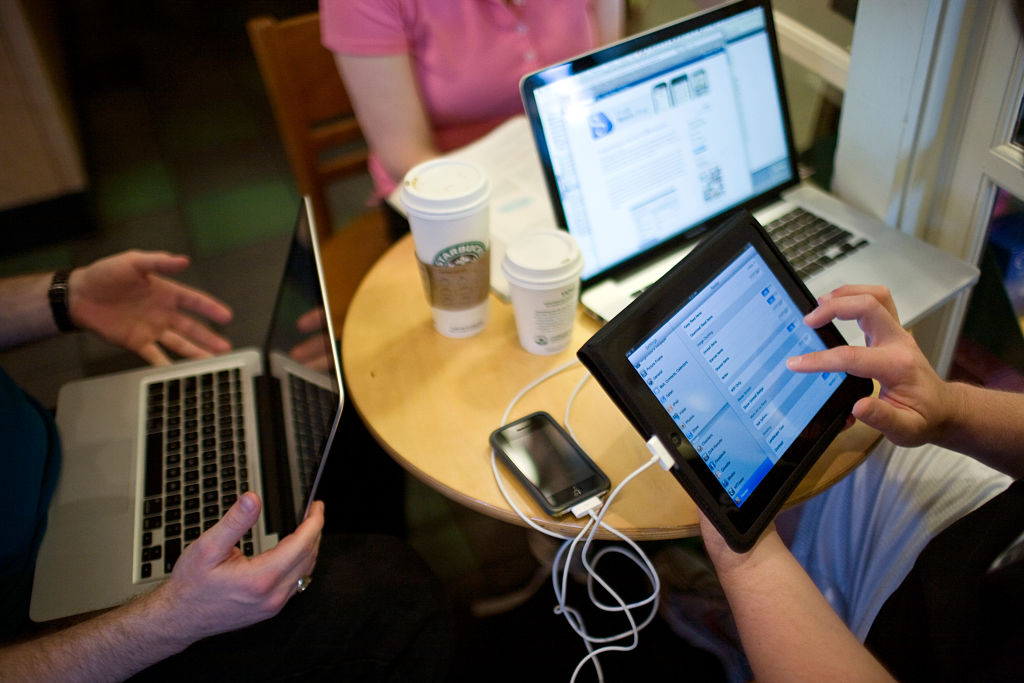
Although a proxy can get around a weaker block, if you want to get around stronger protections, a VPN for Instagram is better than proxies. This is because a VPN actually encrypts your traffic before routing it through its servers. Read our VPN vs proxies guide to understand the differences.
However, this extra protection means these services are often harder to use. Your first step should be downloading a strong VPN for mobile — if you need some suggestions, click here to jump to our VPN suggestions for gaining access to Instagram.
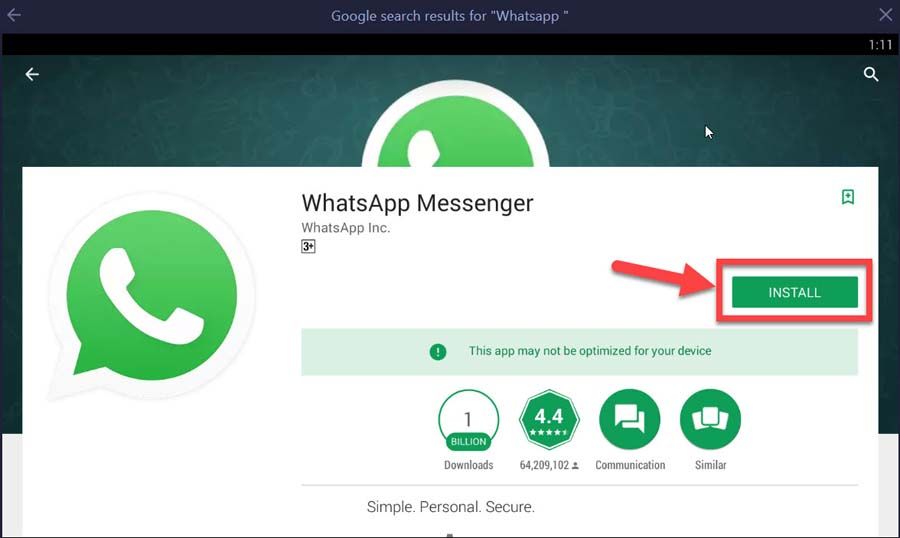
Open up the app store on your mobile device and search for the VPN provider that you’ve chosen. Then tap the big “install” button and wait for it to download.
If you want to access Instagram, install a VPN from the app store.
After you install it, click “open” to start the VPN. You can do this from inside the app store or from your app tray.
Open your VPN app from the app store.
Depending on the VPN service you’re using, you may need to sign up and log in with your email address and password. However, VPN providers like Windscribe let you jump straight in with the “Get Started” button.
Sign in to the VPN or choose to use it without logging in.
Once you’ve signed in — or chosen to use it without signing in — you can now start the VPN. Simply click the power button at the top of the app to connect to the best VPN server, or choose a server from the VPN’s list or map.
Connect to the VPN server of your choice.
Both Android and iOS devices will require you to give the VPN permission to set up a connection. This is because a bad VPN can maliciously monitor your network traffic, putting your privacy and your phone at risk.
Let the VPN set up a connection on your phone.
You’re now free to start using Instagram knowing that all of your data is encrypted and your real IP address is hidden. You can check that your VPN is connected by looking for its logo and a key symbol at the top of your screen.
You should now be able to search through Instagram on the school’s WiFi.
Proxy servers are a great way to bypass some simple blocks, and they’re super easy to use. However, much like with the infamous Netflix m7111-5059 error, Instagram blocks the IP address of some proxy servers to prevent any access. Luckily, as most proxies work the same way, you can go through our list of the best free proxy services to see which ones work.
First, you’ll need to open your browser and search the internet for the proxy’s website. The school network may block access to some of these sites, so you may need to try a few to find one that works.
Go to the website that hosts the proxy.
Often a provider will put the free proxy on its own page, sometimes under a heading like “tools.”
Enter the address of the website you want to load.
If the provider has a tab that says “more options,” click it and enable any encryption options. This will help give you a little extra privacy.
Go into the options and turn on any extra encryption.
Type the address of the platform you want to go to. In this case, it’s “www.instagram.com,” but you could also enter “www.google.com” and search the web for the site you want.
Enter the address of the website you want to load.
You’ll need to agree to any terms and conditions to use the proxy server. There may be a separate check box for this or an “agree & connect” button.
Agree to the terms and conditions, then tap “connect.”
It should now start loading the website. If it can’t access Instagram, the server’s IP address may have been blocked, so you should try a different proxy provider.
Wait to access Instagram through the proxy server.
Now that we’ve detailed the three easiest ways to unblock Instagram at school, we wanted to reiterate that VPNs are much more secure to use than proxy servers.
A good VPN is one of the best ways to bypass restrictions and access any blocked websites, but free VPN services are few and far between. It’s even harder to get one that can access sites like Instagram without sacrificing your privacy. That said, they do exist, and these are some of our favorites.
CyberGhost is a strong VPN without a large price tag.
CyberGhost is one of the best VPNs for anyone that can’t afford to waste money. It doesn’t just have solid security features and excellent ease of use, but it’s also one of the cheapest VPN options available. It’s only $2.75 per month on the three-year plan, there’s a great 45-day money-back guarantee and a solid seven-day free trial on mobile devices.
As a relatively inexpensive service with some great features and security, it’s easily the best VPN for school. So if you want to access sites like Instagram at school, you should read our full CyberGhost review to see if this service is for you.
Windscribe is our favorite free VPN, without many drawbacks.
Even without the generous free plan, Windscribe is a solid VPN. The only major issues are the slightly slower speeds and the fact that split-tunneling is only available on Android devices. Other than that, it’s secure, has plenty of features, has servers in over 60 countries, and it can get past most VPN blockers.
However, Windscribe’s free plan is where the VPN really shines. You get access to servers in 10 countries and 10GB of data per month by simply creating an account. Other than that, there aren’t many limits, and you can find out more by reading our full Windscribe review.
The TunnelBear app is great if you don’t use much data.
TunnelBear is another VPN that offers a free option for users. It’s beaten by Windscribe in most categories, but it does do things well enough to earn our recommendation. As you can read in our full TunnelBear review, it has an array of features, it’s easy to use and the security is decent.
It does lose some points due to its incredibly small 500MB per month free plan and the limited access to streaming sites. However, if you’re only using it for social media and Google searches, you can always just use multiple email addresses to get around the limits.
For lots of data usage you should choose Hide.me.
As long as you aren’t looking to use any streaming services, Hide.me is a secure and feature-rich option, and you can find out more in our full Hide.me review. With its new lower pricing, it’s closer to most other services, but the real deal is the free plan.
Although you won’t get all the paid plans’ bells and whistles, free users will still get everything they need. You’ll also get 10GB of data — the same as Windscribe — but with the added bonus that even if you run out, you can still connect to a server; you just don’t get to choose which one.
ProtonVPN is another unlimited service, although its speeds are mediocre.
With a free plan that comes with unlimited data, it’s no surprise that ProtonVPN is a solid option. As with any VPN we recommend, its security is top-notch and it doesn’t seem to be selling your data to third parties. However, it does come with two serious drawbacks: limited locations and mediocre speeds.
With only three countries available for free users and slower speeds on those free servers, it’s probably best reserved as a backup VPN in case you run out of data with another service. However, if the speed and server options aren’t a problem for you, read our full ProtonVPN review for more information.
ExpressVPN has a 30-day money-back guarantee, no questions asked.
Despite not being a free service, we have to recommend ExpressVPN here. It’s easily the best VPN on the market; it works on any device, it has the best security and it can unblock everything — including Instagram and other social media while you’re at school. You can read about all this and more in our full ExpressVPN review.
The only downside to ExpressVPN is its $12.95 per month cost, which can be intimidating if you haven’t paid for a VPN before. However, it does come with a 30-day money-back guarantee, so you can see if it’s right for you without risking your money.
For your average student, it may seem weird that school networks are so restrictive. After all, it isn’t like looking at social media during lunch will stop you from learning. However, there are reasons why schools do this.
The main reason why most schools block sites on their network — and try to stop you when you bypass school filtering — is for your education. You can’t learn if the teacher has to constantly stop a few students from watching funny YouTube videos or focusing on Twitter instead of the lesson.
However, another reason that schools block websites is simply that it’s the law. The Children’s Internet Protections Act (CIPA) grants discounts for certain services to any American school or library that uses an internet filter and tracks usage. Schools usually want these discounts, so they have to comply with the regulations.
Finally, the school could be blocking certain sites to keep the internal network free of viruses and malware. They might block all websites and then put only specific sites they know are safe on an “allowlist.” As these schools don’t need you to access social media sites like Instagram, they don’t bother allowing it.
There are a few ways to stop someone from using a website, and the most basic is to create a “blocklist.” This will block a specific URL or IP, usually putting up a warning when you try to access it. However, as the internet is so large, institutions usually prefer an “allowlist.” This works the same way but blocks everything except for the listed URLs and IPs.
Another way that a school might block websites is with an automatic filter. The filter will search each page for certain banned words or tags and then block them. This is rough and can often block useful pages — or leave unwanted pages up — but is often paired with a blocklist or an allowlist to cover any holes.
Getting access to Instagram — or other social media sites — is easy enough, even through a school’s WiFi connection. Simply install a VPN with a free plan or a free trial — like CyberGhost — to your Android or iOS device, and you’ll be able to surf the web without worrying about prying eyes.
However, whether you use a VPN or a proxy server, remember that they can monitor each school computer and potentially read unencrypted information. Because of this, you should make sure you use your own device and have an encrypted connection to protect your privacy and stay out of trouble.
If you’re looking into how to unblock websites, you should also read our articles on how to unblock Netflix and how to unblock YouTube. These will help you get access to your favorite streaming site through any network block. Plus, we have a guide on how to unblock someone on Instagram, in case you need it.
Have you tried to unblock Instagram at school? What proxy server or VPN service did you use? Let us know your thoughts in the comments section below. Thanks for reading.
Let us know if you liked the post. That’s the only way we can improve.
Social networks have become an integral part of our lives. It's fair to say that our social media accounts are an extension of ourselves. Our digital presence is part of our identity. Among all the social media apps and websites available, there is no other website that caters to the needs of young people quite like Instagram. It's a great platform to share photos, vlog, create stories, meet new people and expand our reach. The app was recently bought by Facebook and has over 1 billion active users worldwide.
Despite the excessive popularity of Instagram, the application is not perfect. It is very prone to various types of errors, crashes, application crashes, etc. Although sometimes the problem lies with the device and its conflicting settings; In other cases, it is due to server downtime, major background updates, etc. causing the application and its services to temporarily crash.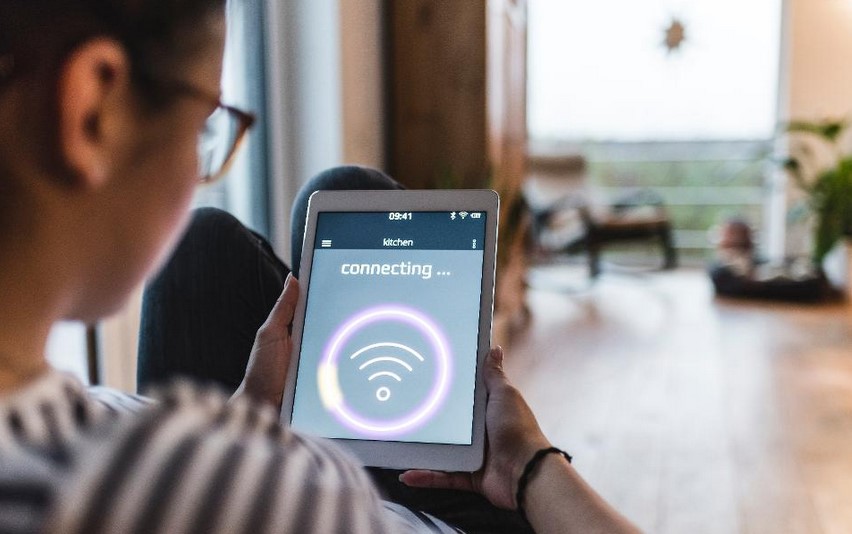 In this article, we will discuss a major issue that is making life difficult for Instagram users. The problem we're discussing is that Instagram doesn't work over Wi-Fi. Feed will not update, send and receive direct messages, etc. when connected to Wi-Fi. If you are faced with a similar problem, this article will definitely be useful to you. So, without further ado, let's get started with various fixes for Instagram not working with Wi-Fi.
Each application installed on your device requires your permission to use hardware resources such as camera, speaker, microphone, mobile network, Bluetooth, etc. It also requires your permission to access contacts, send or receive messages and making phone calls. Instagram also requires a certain set of permissions to work properly. These permission requests are requested the first time you open the app. You may have accidentally revoked some permissions from Instagram and that caused the app to crash. Follow the steps below to review the permissions and make sure Instagram has all the necessary permissions.
1. Open settings Your phone.
2. Click on Applications .
3. Now select Instagram from the application list.
4. Then click Permission option.
5. Be sure to enable Select the radio button next to the "All Permissions" field.
Instagram needs a stable internet connection to work properly. Without an internet connection, it won't be able to download new posts and update your feed. To test your internet connection, simply open YouTube and see if you can play the video. If not, then you need to reset your Wi-Fi connection or switch to mobile data. You can even turn airplane mode on and off. This will allow your carriers to reset and then reconnect. If your internet is working fine but you are still facing the same issue, move on to the next solution.
As mentioned earlier, there is a good chance that the reason why Instagram is not working with Wi-Fi is due to a server side error. If there is a problem with the Instagram servers, the app will remain unavailable until the problem is fixed. During this time, you will not be able to download new messages, send or receive messages, create new messages, etc. So, before proceeding with any other solutions, you need to check if Instagram is down or not. Many bottom detector sites allow you to check the status of the Instagram server. Follow the steps below to find out how to use it:
1. The first thing you need to do is visit Downdetector.com.
2. You will be asked الموقع Permission to store cookies. Select option receive .
3. Now click above the search bar and search for Instagram .
4. Click the Instagram icon .
5. Now the site will tell you if Instagram has a problem or not.
6. If it shows that Instagram is currently down, there is nothing you can do but wait for Instagram to fix the problem.
7. However, if it shows that everything is working correctly, you need to move on to other solutions.
Every application stores some data in the form of cache files. These files are used to store various types of information and data. Applications create cache files to reduce download/launch times. Some basic data is saved so that when you open it, the app can quickly display something. However, sometimes leftover cache files get corrupted and cause applications to crash. If you're having a problem with Instagram, you can always try clearing the app's cache and data. Follow the steps below to delete Instagram cache and data files.
1. Go to Settings for your phone Then press Option Applications .
2. Now select Apply. Instagram From the list of Applications .
3. Now press "Option". Storage location .
4. You will now see the options Clear data and clear cache. Click the appropriate buttons and it will be Delete the specified files.
5. Now exit. Settings And try using the Instagram app again and see if you can fix Instagram not working with Wi-Fi issue.
The next thing you can do is update your application. No matter what problem you're facing, an update from the Play Store can fix it. A simple update to the app often resolves the issue as the update may contain bug fixes to resolve the issue.
1. Go to Play Store.
2. In the upper left corner you will find Three horizontal lines. Click here.
3. Now press "Option". "My apps and games".
5. One day Update the app Try using it again and see if you can solve the problem that doesn't work. Instagram Or download Wi-Fi issue.
If the app update doesn't work or no update is available, you need to uninstall the app and install it again from the Play Store. Follow the steps below to find out how:
1. Open Settings on your phone.
2. Now go to Application Section and search for Instagram Then click on it.
3. Now press the delete button.
4. Once uninstall app Download and reinstall the app from the Play Store.
Instagram is not just an application and can be accessed through any browser, just like Facebook. However, if you try to open Instagram in a mobile browser, you may be redirected to the app. So, you can try opening Instagram on a computer, or enabling the desktop site option if you're using a mobile browser. Although you won't be able to use all of the app's features, you can still access the feed and reply to pending direct messages. Follow these steps to open Instagram in a mobile browser using the desktop version of the site.
1. First, open Browser on your phone (Take Google Chrome as an example).
2. Now press Menu icon (three vertical dots) upper right side of the screen.
3. Then check the box next to desktop site To open the web version of Pages instead of the mobile version.
4. Now search Instagram and open his website , or you can click this link To save time.
5. Then log in with your credentials and you're done.
If you're part of the Instagram beta program, this might be the perfect solution. It's possible that the latest beta update you downloaded is unstable and causing the app to crash. So exiting the beta program might fix this Instagram not working on Wi-Fi issue. Follow the steps below to find out how:
1. First open متجر Play on your device.
2. Now search for Instagram and click icon Instagram from search results.
3. Then scroll down and find the section. "You are an experimental tester." You will find the option to leave, click on it.
4. Wait a moment and you will be excluded from the beta testing program.
5. If you see an option to update the application, do so and then simply uninstall and reinstall the application.
6. Once everything opens, open Instagram again and see if the problem persists.
If none of the above methods worked, it might be due to bugs in the update and they won't be fixed unless Instagram releases a new update with bug fixes. You can either wait for Instagram to fix this issue and release a new update, or go back to using the previous stable version of Instagram. To do this, you will need to download the APK file of the old version of Instagram from APKMirror and then install it on your device. This process is known as downloading unpublished applications. Follow the instructions below to find out how.
1. The first thing you need to do is enable the Unknown Sources option for Chrome. By default, Android does not allow you to install apps from any source other than the Play Store. Thus, in order to install Instagram using the APK file downloaded with Chrome, you need to enable the Unknown sources option.
2. The next step is to go to the APKMirror website and search on Instagram.
3. You will now find a variety of APK files available for download. Scroll down and find an APK file that is at least XNUMX months old. Also make sure this is not a trial version as it may be unstable.
4. Download the APK file, go to Downloads and click the APK file to start the installation process.
5. Don't forget to uninstall Instagram from your device before installing the APK file.
Recommended:
This brings us to the end of this article. Hopefully at least one of these solutions will work for you and Instagram will start working, usually over Wi-Fi. However, sometimes the problem is with Instagram itself. If the problem persists after trying all the solutions listed above, there is nothing you can do but wait. It could just be a bug in the update or a bug on the Instagram server. You have to show some patience and hope that Instagram fixes the issue as soon as possible. In the meantime, feel free to report a bug. Luckily, Instagram allows you to create a bug report from the app itself. Be sure to provide as much detail as possible before submitting a bug report. This will allow Instagram to better understand the problem and resolve it as quickly as possible.
Content:
The inaccessibility of Instagram is one of the most significant trends in social networks, including Twitter and Instagram. This sometimes causes headaches and confusion for users. Here we will introduce the best solutions to fix problems with Instagram.
If your Instagram won't load on your iPhone or iPad, follow the steps below. If you were unable to fix it, please contact Instagram support at the end.
Getting the correct Instagram to fix that works properly is a must for users, especially those who run their business on Instagram. If you want to expand your account, you can use an Instagram bot to get more followers you face with less of these issues.
Close and reopen Instagram
The first way to resolve the issue on your device is to close the app and reopen it. To close an app on iPhone and iPad:
Check for Instagram app updates
To get the most out of the Instagram app, you must have the latest version of the apps installed. You can check for updates in the app store.
Switch Wi-Fi off and on
It is recommended to turn Wi-Fi on and off. In many cases this works. To switch Wi-Fi, you should go to your iPhone's main settings page. If you touch the gear icon on the screen, you will be taken to the settings. At the top of the page is the Wi-Fi button. Directly off or on from the screen.
You can also turn off Wi-Fi from home by swiping up on the screen. There you can see the Wi-Fi icon. Touch it. This will go on and on.
You can solve this problem by completely uninstalling the Instagram app and installing the latest version on your device.
Your problem should be solved now
Check the Instagram status page
You can search Instagram with the detector and see if Instagram has any problems or not. If yes, you should sometimes wait.
Reset all settings
You can reset the network connection on your iPhone > Settings > General.