While Facebook and Instagram advertising work using the same Ads Manager, their respective advertising costs vary. With Facebook being around longer, having more data, and more ad placements compared to its younger adopted sibling platform, we do find that more often than not, Instagram is slightly more expensive than Facebook in some instances. While that is the case, don’t let it deter you from exploring this lucrative and effective visual counterpart in the Facebook ecosystem. With fewer ad placements, increased competition for impression share, you may pay slightly more to use Instagram, but you may also pleasantly see it being much more cost-effective than the results you’re getting with Facebook.
Paid advertising is a powerful marketing tool on Instagram and complements what brands are able to do in their Feeds, Stories, and Explore tabs. While Reels and IGTV don’t yet have ad placements, we may very well see them added as placement as the platform continues to scale and the need for more impressions comes about. Like Facebook ads, Instagram ads offer advanced targeting and flexibility so as to be accessible for just about any business. If this visual platform is a popular channel for your target audience, you may want to advertise on Instagram. To help you understand the cost, we’re going to cover:
Read on to learn about the workings, advantages, and cost of advertising on Instagram this year.
Depending on your campaign objective, ads appearing on Instagram can have up to 18 call-to-action button options, can link to your website, and give users options to download applications or shop online stores.
You don’t actually even need an Instagram account to advertise on Instagram. Since Facebook is its parent company, all you need a Facebook Business Page. However, it is best to have an Instagram account so you can familiarize yourself with content that resonates best with your target audience and complement and amplify your organic Instagram marketing efforts.
To set up Instagram Ads, use Facebook’s Ads Manager to set up campaigns, ad sets where you select your budget, target audience, ad placements, and optimization options. Similar to Facebook Ads, your ads will run within the selected time frame, budget parameters, audience selection, and optimization goals.
Advertising on social media brings many benefits, and there are some particular benefits of paying for ad impressions on Instagram rather than simply running campaigns and promotions directly from your business’s account.
With over 1 billion monthly users, Instagram ranks second after Facebook. These platforms have an incredibly robust arsenal of targeting data and since Facebook owns Instagram, Instagram advertising utilizes the same comprehensive demographic and geographic data. This advanced targeting is what makes Facebook Ads work so well, as you can be incredibly prescriptive when targeting various audiences. Whether you are utilizing Facebook’s native audiences based on interests, behaviors, or other demographics, or utilizing your own custom audiences that utilize your Pixel or SDK, email lists, or other sources, you can find success in reaching the right people in your prospecting and retargeting campaigns.
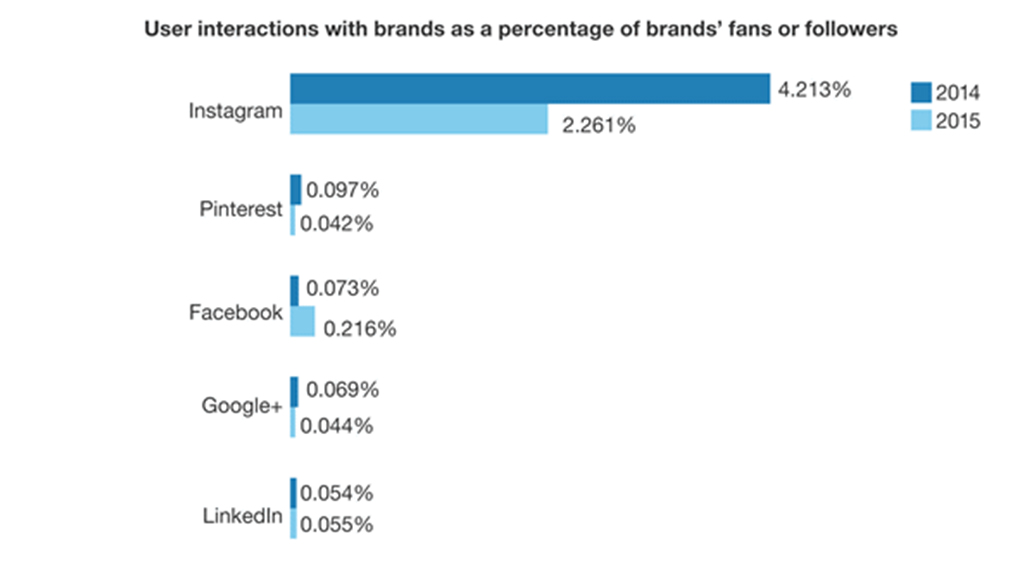
Instagram is known for its high engagement rates—organically and through paid ads. Images on Instagram receive an average of 23% more engagement than when shared on Facebook. When it comes to organic engagement, brands on Instagram say that they have about 4% of their followers seeing their content compared to the nearly non-existent organic reach that Facebook has today. While it’s better, it’s still wise to pay to play in order to expand your reach and visibility with paid ads. While any form of visual content can perform well, brands typically see more engagement on video ads—about 38% more. As a visual platform, images and videos are powerful in driving more engagement than on other more text-based social platforms.
Instagram does not currently allow clickable links in organic posts. You can include a link in your caption or message, but the recipient has to copy and paste it into their browser or visit the link in your Instagram bio. With Instagram advertising, you can include outside links, which enables you to designate a destination URL to your website or another external URL. To be able to better track website traffic from your Instagram Ads, it’s recommended to use your own domain as you should have your Pixel implemented there, whereas you may not have it on other website URLs that you don’t control.
Instagram Feed and Explore video can be up to 60 seconds in duration and while Stories are typically up to 15 seconds in duration, if you run ads in these three ad placements, you can have up to 2 minutes of video content. This gives you more opportunity to convey both your brand and the features and benefits of your offer through your products and/or services.
Let’s take a look at the average cost per click, cost per engagement, and cost per thousand impressions on Instagram.
For all metrics, Instagram cost per click in 2021 ranges from $0.40-$0.70. This takes into account all clicks that happen on an ad, which includes not only link clicks, but likes/reactions, comments, and shares.
For ads that have a destination URL, Instagram cost per click in 2021 ranges from $0.50-$0.95.
Instagram cost per engagement in 2021 ranges from $0.01-0.05.
Instagram cost per one thousand impressions in 2021 ranges between $2.50-$3.50 for better-performing campaigns and their respective ad sets.
When it comes to CPMs, our findings show that Facebook tends to be higher than Instagram, by nearly 2x but CPCs tend to be lower by nearly half on Facebook compared to Instagram.
Image via AdEspresso
While Facebook and Instagram advertising work using the same Ads Manager, their respective advertising costs vary (see how much it costs to advertise on Facebook in 2021 here). With Facebook being around longer, having more data, and more ad placements compared to its younger adopted sibling platform, we do find that more often than not, Instagram is slightly more expensive than Facebook in some instances.
While that is the case, don’t let it deter you from exploring this lucrative and effective visual counterpart in the Facebook ecosystem. With fewer ad placements and increased competition for impression share, you may pay slightly more to use Instagram, but you may also pleasantly see it being much more cost-effective than the results you’re getting with Facebook.
Similar to other platforms, Instagram ad pricing is influenced by a number of variables.
Campaign objectives can cause your advertising costs to be automatically higher or lower, depending on which you choose and how it relates to where your target audience is in the funnel.
For example, if you select a brand awareness campaign objective, it will be lower in cost than something lower down the funnel and that has a higher value objective, such as conversions. Having broader, colder audiences see your ad to drive brand awareness is a lower-value action compared to targeting a user further down funnel—who are more familiar with your brand and offerings, and ready to open their wallet or take a higher-value action.
If you are targeting broader audiences, they are typically lower in cost as there is less competition for a group of people. As you narrow your audiences, perhaps by reducing their geotargeting or age ranges, you may see the price go up as competition for those eyeballs increases in parallel. Retargeting audiences are typically smaller as well, hence why we often see higher costs in retargeting campaigns.
Budget also influences Instagram ad costs because if you have a small budget, it may take longer to get out of the Learning Phase if your campaign or ad set is starting anew. Costs may be more expensive at first before the system learns and understands your campaign type and optimization goals, and how your audience engages with your ads. If your ads are well engaged with, Facebook and Instagram will reward you with lower costs over time.
If CTR is low, then we may see higher costs as the system thinks there may be some disconnect between your target audience and what you’re messaging in your ads. You want your ads to resonate with your target audience and CTR Is a strong indicator of that. Aim for a healthy CTR which is about 2%. If you have a healthy CTR, you should see your costs decrease.
Make the most of your budget by selecting funnel-appropriate campaign objectives to start. If you are targeting colder, broader, prospecting audiences, test less expensive campaigns to introduce your brand to audiences with an awareness, engagement, or better yet, a website traffic campaign so that these users leave Instagram and get to your website and tagged with the Pixel so you can later retarget them if they don’t convert on that first click. If you’re new to Instagram Ads, you can drive sales from the first interaction and click, but more often than not, users will need to have several interactions with your brands in order to develop trust, perhaps do some shopping and comparing, and then come back to you through retargeting or other means to open up their wallets. If you have a low-cost product that doesn’t need much research, impulse buys can be successful from Instagram.
Another way to lower your Instagram costs is to use automatic placements in the ad set level and serve across both Facebook and Instagram. By having more placement liquidity, the system can use its algorithm to determine where to best serve your ads, thus giving them more options across both platforms and more ad placements, thus, lowering competition on Instagram’s three current ad placements, thus lowering your costs.
You will also want to test audiences with different ad variations by testing the different lines of ad copy and creatives – images and videos. By running tests, you can learn what resonates with your audiences and it can help improve your engagement rates and CTR, thus, also helping lower your costs and making your budget go further.
Instagram continues to grow and the advertising options only become more robust. It’s not yet saturated and it’s safe to assume that more ad placements will come our way.
Give Instagram Ads a test and see how it fairs in comparison to Facebook Ads and other advertising platforms you may be running on. It may end up being an important part of your funnel by driving more brand awareness and engagement or it may end up bringing a primary source of revenue.
 50-$0.95.
Want more cost information? Check out similar posts:
Facebook ads have long been the gold standard in social advertising, in part because Facebook allows brands to target incredibly niche markets, and has empowered marketers to get rapid insights into winning combinations of creative, audience, placement and other variables to optimize their campaigns.
That’s according to Timothy Masek, senior growth strategist at marketing agency Ladder, who said Facebook’s 2012 acquisition of the image sharing app-enabled Facebook to add Instagram as a simple placement option in the Facebook ads platform, which is precisely what marketers wanted.
“Since 2015, you can use a basic toggle in the Facebook Ads Manager platform to choose to show your ads on Instagram,” Masek added.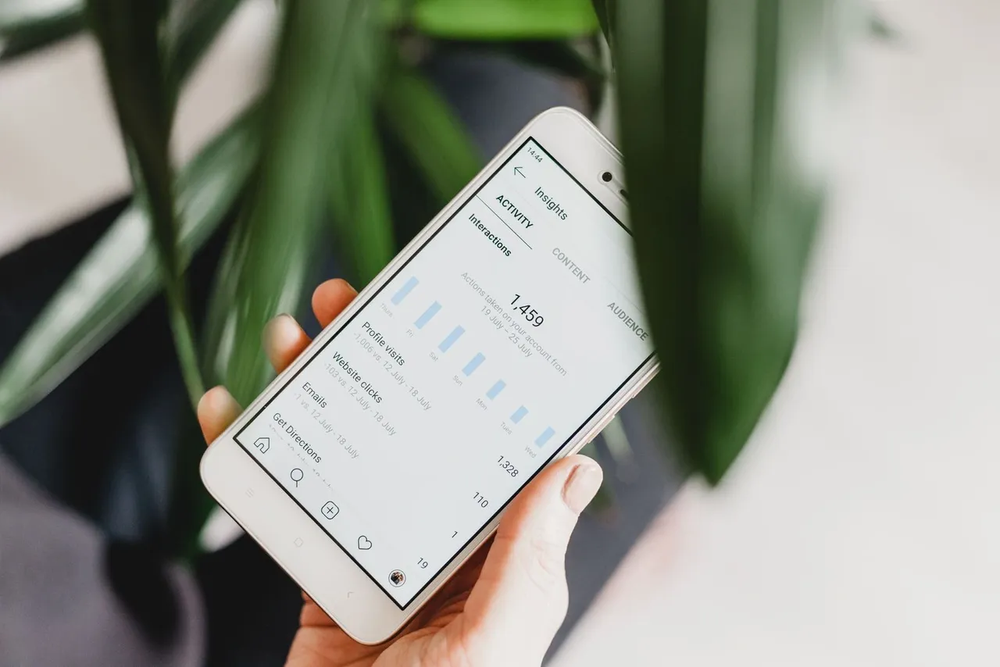
As a result, Patrick Havey, social media manager at digital marketing agency Passion Digital, said it can be tempting to treat Instagram ads the same as Facebook ads.
“However, despite both now copying each other’s features – The Great Storification, anyone? – users still engage with the platforms in different ways,” he said.
And therein lie some opportunities for savvy marketers.
What’s more, Havey noted that Instagram posts tend to get 10 times more engagement than Facebook posts on average.
Instagram engagement stats
“This gives you a unique opportunity to build trust and connect emotionally with your audiences in an uncluttered environment,” he added.
Indeed, Nathan Mendenhall, director of social strategy at digital marketing agency That Agency, agreed Instagram is a high-engagement platform and is a great option for generating both brand awareness and site visits.
Free download: Up your game with our free all-star online advertising playbook.
However, according to Keith Baumwald, founder of boutique consulting agency Leverag Consulting, online ad costs for Instagram ads are usually slightly higher than their Facebook counterparts.
“With highly targeted ads, you could be paying over $5 a CPM” (cost per thousand impressions) on Instagram, Baumwald said.
According to Masek, on the other hand, whenever Facebook tests a new ad feature, like a new creative type or a new audience type, it drops the CPM to make the feature more accessible and alluring to marketers.
“So while a typical CPM on Facebook Ads will be around the $10 mark today, it was closer to $5 on Instagram,” Masek said. “Today, the gap is getting narrower and narrower. This meant that running ads on Instagram was immediately going to be more cost effective for marketers – in fact, twice as cost effective.”
At the same time, Masek said as Instagram started rolling out ads, users were clicking on them at a much higher rate than they were on Facebook.
“Users have become accustomed to ads on their Facebook newsfeed and started clicking less on them – the same way the first banner ad on the web drove a 44% CTR and today’s banners drive a 0.1% CTR,” he added. “So when Instagram rolled out ads, not only were they cheaper, but the CTRs were through the roof.”
For his part, Damon Gochneaur, founder of digital marketing agency Aspiro Agency, noted the average cost to advertise on Instagram can vary wildly depending on the type of ad, the audience targeted and the type of creative used.
“In general, single image ads will be the most expensive, with a carousel or multiple image ads generally performing better than single image ads,” Gochneaur said. “Additionally, video ads will typically outperform both single image ads as well as carousel ads. In addition, the audience you’re targeting will also have an effect on the cost of the ad.”
Example of a video ad on Instagram from Netflix
“This [$5 CPM] is still much cheaper than pretty much any other channel for display ads, especially given the fact that you can target so effectively,” Baumwald added. “That said, if you’re in a highly competitive market, either because of your product or location, the costs can rise dramatically.”
Here’s a look at how advertisers can rein in those Instagram ad costs, no matter what market they are in.
P.S Check out our updated post on the cost to advertise on Instagram on 2021.
In part because users can’t schedule posts on Instagram, Havey said candid-style posts perform well.
“If users feel like they’re seeing something fresh and authentic, they’re much more likely to engage and warm to your brand,” he said. “User-generated content can work wonders and helps create a two-way relationship between brand and consumer.”
Havey also noted the best social ads are those that appear native.
“Nobody enjoys seeing an ad stick out like sore thumb in their carefully curated Instagram lifestyle feed,” he said. “As such, focusing on powerful visual storytelling and brand marketing, rather than trying to drive direct response, can often lead to better results. ”
”
Scott Bauer, marketing director at digital marketing firm Navigator Multimedia, said Instagram users have quickly learned how to identify ads versus followers, so advertisers should remember they may only get a second or two of a user’s attention before he or she scrolls on.
“You’ll find the highest ROI not necessarily in the lowest CPM, so I recommend creating content that is in line with your target audience and don’t ask for the sale too soon,” he said. “Instagram is very visual and you want to create top-funnel content to introduce your business/brand.”
He added, “Too many advertisers treat Instagram like they do search ads and it’s not the same context.”
Per Gochneaur, brands looking to lower Instagram ad costs should make slideshow-style videos from photo assets and use those video ads to target consumers that are top of the funnel and have no brand affinity.
“Video traffic is a lower acquisition cost and allows you to build audiences more affordably – the key phrase being ‘build audiences’,” he said. “Once you’ve driven traffic from the initial video ad, you’ll then want to use remarketing mapped to a sales funnel in order to drive revenue and business growth from Instagram traffic.”
For his part, Masek said as users become more accustomed to Instagram ads and CPMs are tightening, marketers can increase their ad performance by testing.
“Facebook and Instagram reward the brands that serve relevant content to their users. The higher your CTR, the higher your relevance score and the lower your CPMs – that’s how it works,” he said.
“The way to make your ads relevant is to test different combinations of an audience, messaging and creative,” he said. “Don’t blast the same ad to everyone. Instead, pick five different audiences, set them up as separate as campaigns, and then create five different ads for each audience. Then, sit back, spend media budget and see how the world responds to your ads.”
As a result, Masek said marketers might find one of those audiences is driving a 10x cheaper CPC, and that within that audience, one specific Instagram ad is driving a 5x higher CTR.
“Turn everything else off, and shift your budget to your winning combination. That’s how you game the system,” he added.
Mendenhall noted that because Instagram Ads are launched through Facebook’s advertising platform, marketers have access to the same type of data – and they should use it.
“We recommend taking a look at which demographic is generating the most expensive results and omitting them from targeting,” he said. “If you check your data and see that men between the ages of 45-54 have a cost per click of $2.00, removing them from your targeting will help reduce your costs.”
Baumwald agreed. “By segmenting your ads based on different criteria, it will quickly become clear which audiences have the lowest costs,” Baumwald said.
Mendenhall also suggested starting an Instagram campaign with a select audience and adapting as costs rise.
“When you add/remove a targeting parameter and see the cost per result go down, make a note of that for the future,” he said. “Continue tweaking as needed.”
On a related note, Mendenhall pointed to Relevance Score, which is how Facebook judges the quality of an ad.
“This is based on creative, targeting and the results of your ad,” he said. “The higher your Relevance Score, the more efficiently your budget will be used.”
In addition, David Bosley, managing partner at digital marketing agency PBJ Marketing, said marketers who find they aren’t getting impressions using the target CPA/CPL/CPI method can try taking the average of the suggested bid and doubling it.
“You likely will not pay that extremely high rate, but it will win you more auctions and, on average, you could still hit your target metrics,” he said. “Give it a try – it doesn’t work for everyone but when it does it yields incredible results.”
The ability to target the same users on Facebook and Instagram gives marketers a chance to build a campaign with multiple touch points without much trouble, Havey said.
“A social ad strategy that employs proper use of each platform can help take your audience from awareness to purchase to advocacy with ease if executed correctly,” he added.
According to Baumwald, brands should also carefully consider what happens once consumers who click your Instagram ads actually land on a web page.
“Does the creative in the ad match what they see on the website? Are you making it easy for users to convert by following best practices?” he asked. “Better-converting landing pages make it much easier to absorb the costs of slightly more expensive Instagram campaigns. For a truly effective campaign, be sure to build out dedicated landing pages and don’t send people to your homepage.”
Bosley noted the most successful Instagram campaigns have mobile-friendly objectives, like brand awareness, app installs, lead gen and sending users to a mobile-friendly website that loads in three seconds or less.
 Retarget.
Adding a tracking pixel to a website or app enables brands to easily retarget consumers who have visited their sites.
“Since these people will already be familiar with your brand, the advertising will be much more effective,” Baumwald said. “The cost may be similar, but the number of people converting should be much higher.”
He added one caveat: “This will be a much smaller audience you’re targeting so it’s important to change your creative on a regular basis so that your audience isn’t seeing the same ads from you over and over again.”
Even though Facebook and Instagram ads are set up using the same Ads Manager control center, the advertising costs differ on these social networks. Because Facebook has been around longer, has more data and more ad space than its younger sibling, Instagram will indeed cost a bit more in some cases. But this fact should by no means be a reason to refuse to explore the possibilities of such an attractive and effective application that perfectly complements the Facebook ecosystem. Using Instagram may be slightly more costly due to fewer ad spaces and increased competition for impression share, but in terms of overall performance, it can also significantly outperform Facebook.
Paid advertising on Instagram is a powerful marketing tool that complements the ability of companies to fill the feed, stories and "Interesting" section.
As the platform matures and the need for more impressions arises, ads may well be added to the Reels and InstaGram TV services.
Advertising on Instagram, just like on Facebook, has flexible settings and advanced targeting functions, which makes it available for almost any business. If this visual platform is popular among a certain target audience, then you should think about placing ads there. To help guide you, the following questions will be discussed below:
Depending on the purpose of the campaign, advertising broadcast on Instagram can:
You don't even need an account. Since the service is owned by Facebook Inc, the only thing required is a Facebook business page. However, the benefit of having an Instagram account is still there: thanks to it, it will be possible to get acquainted with the content that best suits the preferences of the target audience, as well as complement and improve the marketing efforts undertaken.
Use the Ads Manager tool to configure your future ads. With it, you can set up advertising campaigns, ad groups, for which you can specify the size of the budget, select the target audience, ad placements, and optimization options.
As with Facebook, Instagram ads will perform according to your chosen time frame, budget, audience, and optimization goals.
Social media advertising is very useful, in particular the payment for advertising impressions on Instagram, which is especially beneficial compared to the usual running of campaigns or promotions directly from the organization's account.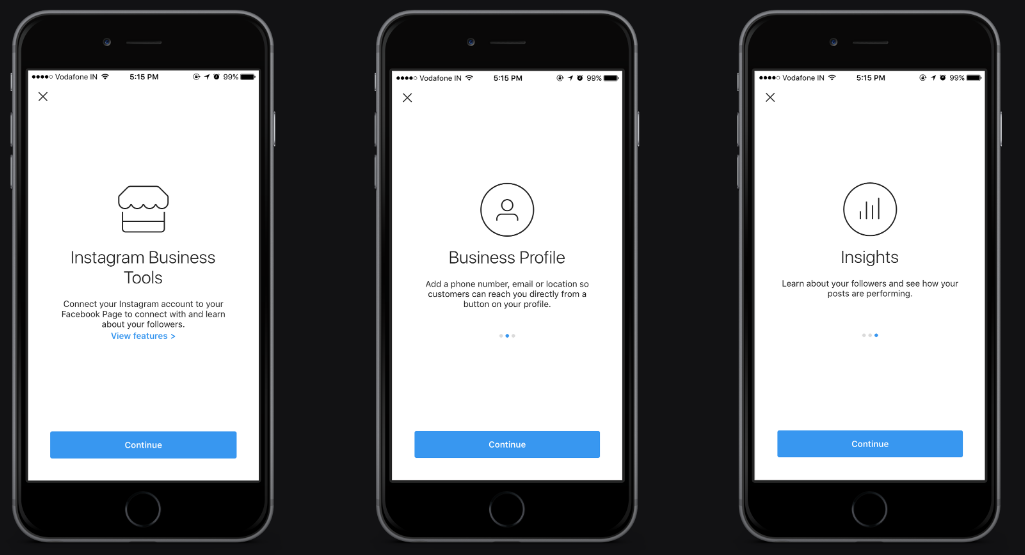
With a monthly audience of over 1 billion users, Instagram is second only to Facebook. Both platforms have an incredibly powerful arsenal of targeting data, and since Instagram is part of Facebook, Instagram ads take full advantage of a combined array of demographic and geographic statistics. Facebook ads are highly effective precisely because of advanced targeting, which provides the opportunity for fine-tuning when focusing on different consumer audiences. Whether used:
One of the factors behind Instagram's popularity is its high engagement rate, both organic and through paid advertising.
Images posted on Instagram get 23% more attention on average than on Facebook.
In terms of organic engagement, Facebook has almost no organic reach, while the content of large companies that are present on Instagram is regularly viewed by about 4% of followers. While it's better than nothing, it's a smart move to invest more in paid advertising to increase your visibility and reach. Decent results can be achieved using any form of visual content, but video advertising is more attractive in terms of engagement (by about 38%) for many businesses. Images and videos that form the visual basis of Instagram are much more effective in attracting attention compared to platforms degrees focused on textual representation of information.
Instagram does not currently support hyperlinks in regular posts. You can include the link in the header or body of the message, but the recipient must manually copy and paste it into their browser or follow the link in the profile description. When you connect paid advertising, you can add external links, which allows you to specify a specific website or other external URL as the target address. To be able to better track conversions from Instagram ads, it is recommended that you use your own site with a pre-configured Facebook Pixel, as it may not be available on third-party sites.
Videos can be up to 60 seconds long in the feed and Explore tab, and up to 15 seconds in story mode. Accordingly, if advertising is launched in all these places at once, then in total you can get up to 2 minutes of video content. This gives more opportunities to present not only the brand itself, but the features and benefits of the offer through a visual presentation of products and / or services.
If there is a target URL, the cost per conversion for the Link Clicks metric will range from $0.50 to $0.95.
The CPC for the "Clicks (all)" metric is slightly lower, ranging from $0.40 to $0.70.
This metric takes into account all clicks on an ad, including not only clicks, but also likes, reactions, comments and reposts. In terms of cost per thousand impressions (CPM), starting January 1, 2021, you will need to spend at least $2.50 - $3.50 to run the most effective campaigns with eligible ad sets. Engagement costs will be $0.01 - $0.05.
The data also shows that CPMs on Facebook are almost 2 times higher than on Instagram, while CPCs are typically half as much.
Instagram ad pricing, like other platforms, depends on a number of variables. The costs can vary significantly depending on what is chosen as the goal of the advertising campaign, and how this goal correlates with the position that the target audience occupies in the sales funnel. If the goal of the campaign is to increase brand awareness, then it will cost less than the action located lower in the funnel and, accordingly, with more value (for example, conversions). Showing ads to a wide and cold audience to better educate them about the brand will be less valuable than when a certain number of potential customers familiar with the product and offers have already moved closer to the bottom of the funnel. These people are willing to shell out or take a higher value action in a retargeting-focused conversion campaign that can be optimized for purchases.
Other variables that play a role in determining advertising prices include audience size. Reaching a wider audience will generally be cheaper as there is less competition for groups of people. And vice versa, as the audience narrows, for example, due to the clarification of geotargeting parameters or age limits, the price will grow in parallel with the increase in competition for its representatives. Retargeting audiences are usually small too, which is why retargeting campaigns often come with higher costs.
Pricing is also affected by the size of the budget. If it is small, and the advertising campaign or ad set is launched from scratch, then the exit from the learning phase may be delayed. At first, until the system learns and understands the type of campaign, optimization goals, and how the audience reacts to advertising, the cost of advertising can be higher. If the ads are attractive enough, Facebook and Instagram will reward you with smaller ads over time.
Click-through rate (CTR) can be significant. If it is low, the cost may be higher because the system will assume that there is some mismatch between the content of the ads and the target audience. CTR is a reliable indicator of the extent to which an ad resonates with its target audience.
Approximately 2% is considered a normal CTR level, the achievement of which will allow counting on cost reduction.
For the most efficient use of the budget, the first step is to determine the goals of the advertising campaign, which will be in line with the sales funnel. If the intent is to target a colder, broader audience, start with less expensive campaigns to provide more exposure to those potential customers who are already aware of or interested in the brand.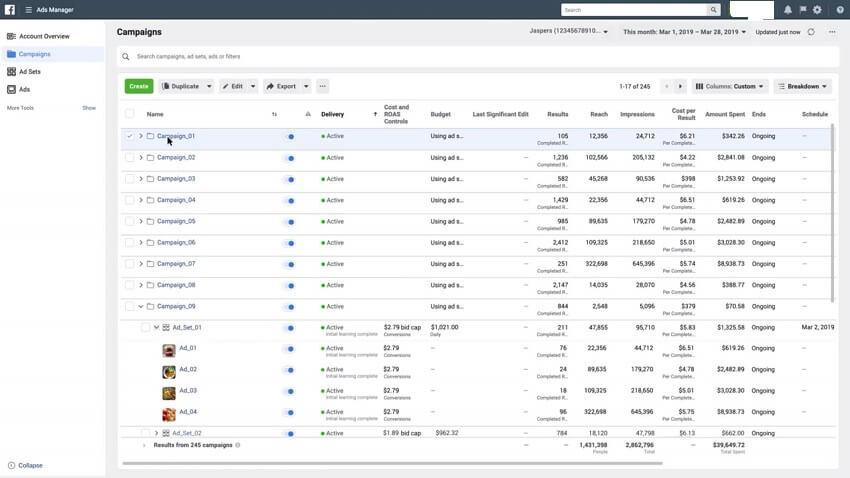 Better yet, test your website traffic campaign to get those users to visit your site from Instagram and be registered with the Facebook Pixel tool. This will provide an opportunity for their subsequent retargeting if the conversion does not occur at the previous stage. More often than not, users need to make several interactions with products, perhaps buy something and compare with competitors' offerings, before they have enough trust in the brand. Subsequently, these people will come back to you through retargeting or other means to finally make a purchase. Impulse buying can be successful if you sell an inexpensive product that does not require much market research.
Another way to reduce costs is to use the automatic placement option in your Facebook and Instagram ad settings. With a wide margin for maneuver, the system can use its own algorithm to determine where it is best to place ads. The result is an increase in both the total number of options available across both platforms and the volume of ad impressions, reducing competition across three of Instagram's current ad placements (Feed, Stories, and Explore) and lowering costs.
It makes sense to try different variations of ad copy and visual ads in the form of images and videos. This will help you understand what resonates with your audience, as well as improve engagement and CTR, which in turn will help reduce costs and increase your budget.
The Instagram app continues to grow, and the opportunities for advertising in it become more and more functional. It is not yet saturated, and it is safe to assume that soon (hopefully this year) there will be more places to accommodate it. Try Instagram ads, compare them with ads on Facebook and other platforms. By driving brand engagement and awareness, it can become an important part of your sales funnel or even a major source of income.
The original text is available on the WordStream portal
Still have questions? We will analyze a simple task for free or conduct a consultation
View an example
Share:
Today, in the accounts of Instagram bloggers, you can find ads from both start-up startups and large corporations. The price tag for one advertising post can vary from several hundred to several million dollars. Such a huge price range challenges all influencers in assessing the fair value of their services. We offer you to figure out how much to charge for advertising on Instagram, and on what factors the cost depends.
Influencer marketing continues to gain momentum. About 7 out of 10 users rely on the opinion of bloggers when making a decision. Influencers allow you to establish closer contact with the audience, drive huge streams of payback Internet traffic and improve sales.
Using these market trends and having an active audience on Instagram, you can earn money by promoting brands and their products. There are several options for earning:
Let's consider each of them in more detail.
Sponsored posts are one of the most popular ways to make money on Instagram. Advertising with bloggers shows amazing cases, so brands of all calibers are looking to partner with influencers. And not only millionaire bloggers are in demand. Brands also turn to micro-influencers with up to 50K followers for advertising.
The task of the influencer in this case is to create and place high-quality advertising content in their account. The format of a sponsored post can be anything, from a simple photo with a product and a mention of the brand, as if by chance, to a full review.
Collaboration is based on individual advertising agreements between the brand and the account holder. The influencer chooses the cost of placing an advertising post independently based on several key parameters:
Often, two more unpredictable concepts influence the cost - the blogger's personal desires and the ability to sell to his audience.
In determining the cost of an advertising post, a lot also depends on the format of advertising, the scale of the influencer, the brand budget, and product features. As a rule, the more difficult it is to advertise a product and the more time it takes to create content, the higher the cost of placing a sponsored post.
Affiliate marketing involves earning a certain commission on the sale of partner products, attracting new customers. The task of the influencer in this case is to conduct a review, talk about the benefits of the product and add a referral link or a promo code for the purchase to the description. If users like the recommendation, they go to the partner's website and make a purchase, the blogger will receive a certain commission from the funds they spend.
Affiliate marketing has more flexibility than sponsored publications. A blogger can decide for himself what format of publications to choose, what, how, and when to write, but earnings also depend solely on the actions of the influencer himself. Working according to this scheme, it is important to choose the right products on offer so that they are ideally suited to your target audience.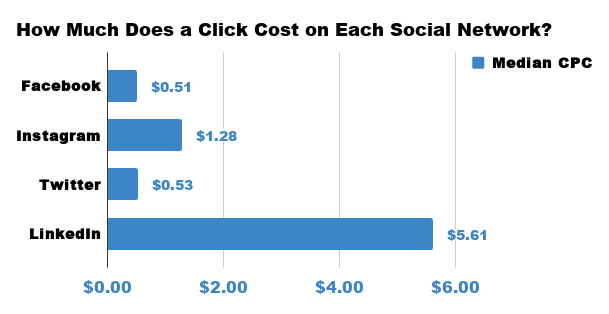
When a brand pays you to post, it is actually buying views, likes, clicks from your target audience. And you have to be honest with the advertiser about what response you can offer. Selling your influence without actually having it is a recipe for disaster.
Therefore, before placing a price tag, you should definitely evaluate the quality of your audience. Detailed account audience analytics can be done from trendHERO .
The service allows:
Advertisers now value quality over quantity. Nobody wants to overpay for bots in subscribers and “dead” souls, so before cooperation, you should definitely check the quality of your account. So, if necessary, you can increase the level of audience engagement, clean your account from bots, and avoid being blacklisted by unscrupulous bloggers.
Please note that advertisers can get detailed profile statistics without you. Therefore, it makes no sense to hide cheated activity and subscribers.
The price of advertising depends on many factors:
There is no single magic calculation formula suitable for everyone. Therefore, below we suggest that you familiarize yourself with several different ways to determine the cost of advertising on Instagram.
Pay by the hour is a good option for aspiring influencers who don't yet have a huge following but already know they can create quality content.
This is also a good option for those who post content that requires a lot more skill than just taking photos or videos.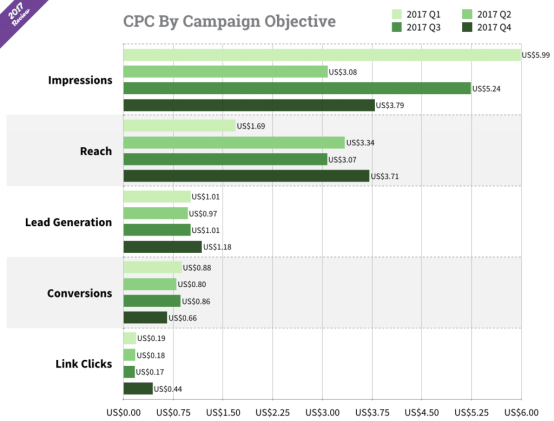 For example, if you conduct a full product review for your publications, apply technical editing skills, use special effects, drones, then it is logical that you should receive monetary compensation for your efforts and time spent.
How much a blogger will charge for advertising in this case can be calculated using the following formula:
Calculation example for creating a sponsored post at an hourly rate of $50:
Total: 3.5 hours to create a publication is $175 to pay.
Additional expenses may be the cost of the necessary props, the cost of paying for the work of an assistant, travel and other expenses that the blogger incurred to create high-quality content.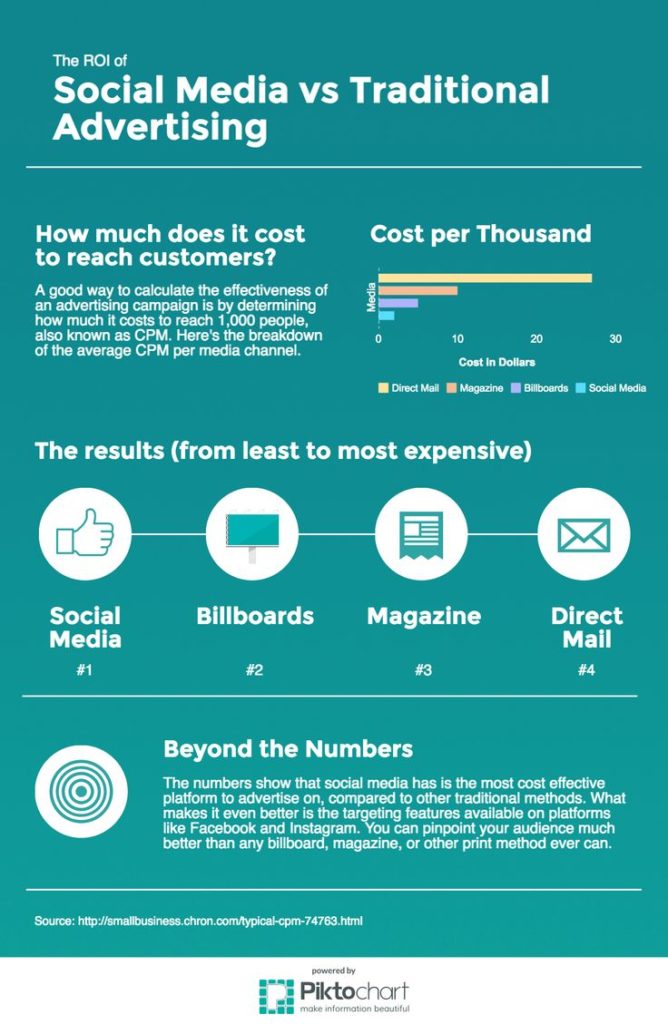
When invoicing, be sure to include all hours spent, from the time it takes to generate an idea. As for the additional costs, then everything is individual. For example, some even include in the price the travel time and the money spent on gasoline and the purchase of props. Others are frivolous about such calculations and perform minor duties just like that.
It's worth mentioning right off the bat that not all brands may like the idea of paying an hourly rate. In some cases, you will have to calculate in advance how long it will take you to produce in order to quote a fixed fee. Of course, it may take you longer to create content than you planned, or you may be able to complete it much earlier. But knowing the estimated cost, companies can plan costs.
The brand wants to get views, new loyal customers, likes and comments from cooperation. Logically, it makes sense to charge for the actual engagement of users under a post.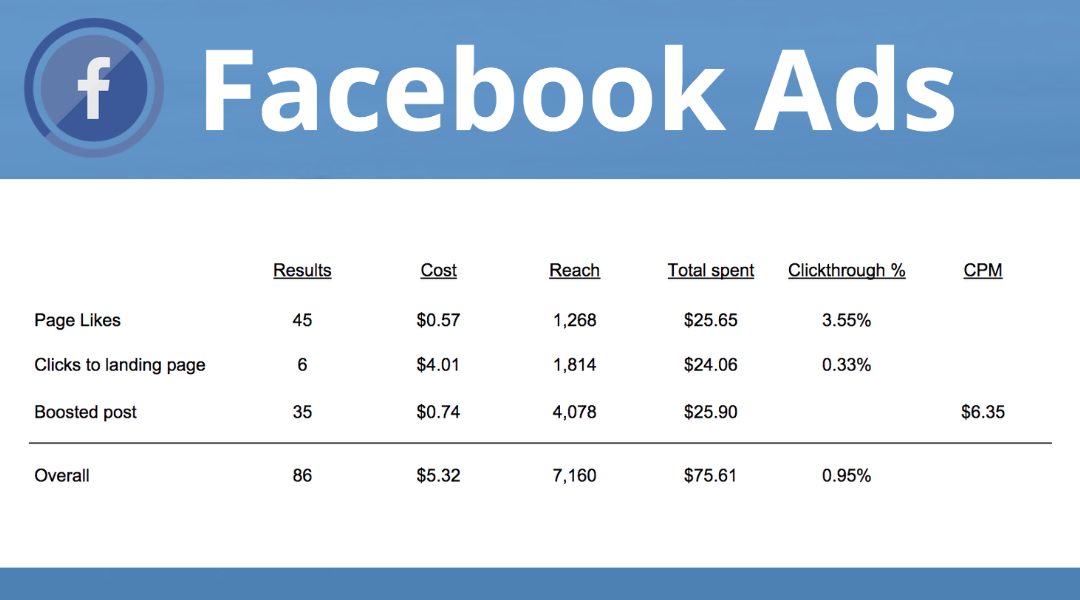 This option will be attractive for those who do not want to keep track of every second spent on the project, and are confident in the quality of their audience and their influence.
But it is important to understand that there is a certain relationship between the number of subscribers and engagement. As a rule, the more followers, the less engagement on the account. This is due to many factors, including the fact that subscribers believe that if there are more than 30K+ likes on a post, then you don’t need them anymore.
To calculate how much a blogger should charge for advertising, taking into account engagement, follow the following scheme:
Next, you can determine for yourself the optimal cost for one user activity and calculate how much it will cost to place a post with you.
For example:
Total: posting will cost $307.5 (3075 x 0.1).
You can automatically calculate engagement and get a lot of other useful statistical information about your profile through trendHERO.
Because comments require more effort from users, you can set separate fees for likes and comments if you wish. Remember also that brands always like to get more than they planned. Offer a discount, several posts instead of one, additional content with a product as a courtesy.
The third option is to calculate the cost of advertising by CPM. CPM (abbr. from Cost per mille) is a marketing term that shows the cost per thousand impressions or subscribers, taking into account their engagement.
To calculate your CPM payment, follow a few simple steps.
First of all, you need to calculate the level of engagement on your account. For this you need:
Average cost of payment for 1000 impressions difference depending on the level of engagement of subscribers:
Next, divide the number of followers by 1000. For example, if you have 250K followers in your account, then the value for the formula CPM will be 250.
Now all that remains is to substitute the obtained values into the formula and calculate:
For example, let's take an account with 25K followers and 3-5% engagement. The calculations for it will look like this:
Brands also often use pay per 1000 impressions. To calculate the CPM in this case, you should:
Calculation example for an account where 20000 is the average number of impressions: (20000/1000) x 20 = 20 x 20 = 400 USD.
As a rule, the engagement and impressions for Stories and regular posts are different. Therefore, for each specific ad format, you should display its own cost. Sometimes the cost of placement may be intentionally increased compared to the base rate. For example, if it takes many times more time and skills to create an advertising publication for all brand requirements than for a regular one.
There are several other ways to determine the optimal cost of advertising in your account. The methods below do not require special calculations, but make it easy to navigate the market situation.
You can use online calculators to calculate the cost of a sponsored post. It is convenient, simple and does not require much time. But you have to trust the average formula derived by professionals.
For example, the mafluence.com service allows you to calculate the cost of advertising based on the number of subscribers, their activity, engagement level, and many other factors. To make a calculation, you only need to specify a nickname.
The calculator from influencermarketinghub.com works in much the same way. With it, you can also calculate the approximate cost of advertising based on the number of subscribers, their involvement, and some other statistics by entering only the account name in the appropriate line.
You can determine the approximate cost per post by analyzing competitors. You can find out the cost of placing an advertising post directly, for example, by asking the owner of another account, or by searching for prices in chats and customer groups, on advertising exchanges.
Knowing the cost of advertising in accounts like yours, you can also create competitive offers for advertisers by offering discounts or slightly more material for the same cost.
Any negotiations on cooperation should begin with the clarification of the customer's budget. Of course, you should already have your own minimum bar calculated, below which you would not cooperate. But it’s still worth considering the brand’s budget.
Knowing the brand's budget, you can act in several scenarios:
It may also happen that the applied brand does not have an advertising budget. Of course, unpaid work does not pay bills, but sometimes it is worth accepting such offers. Especially if you need experience and feedback.
Some brands offer barter, interesting collaborations, they are ready to provide free copies of their products in exchange for publication. And although such cooperation will be less profitable from a financial point of view, it can still be useful both for gaining experience and for establishing relationships.
In calculating the cost of advertising, everything is very individual. All influencers are at different levels, have their own strengths and weaknesses, and produce content of varying quality. The final cost of placement can be determined only by you. After all, only you know for sure how subscribers trust you, how long it takes to create high-quality content, and how real the activity in the profile is.